Anomaly AI Is What Comes After Spreadsheet Panic
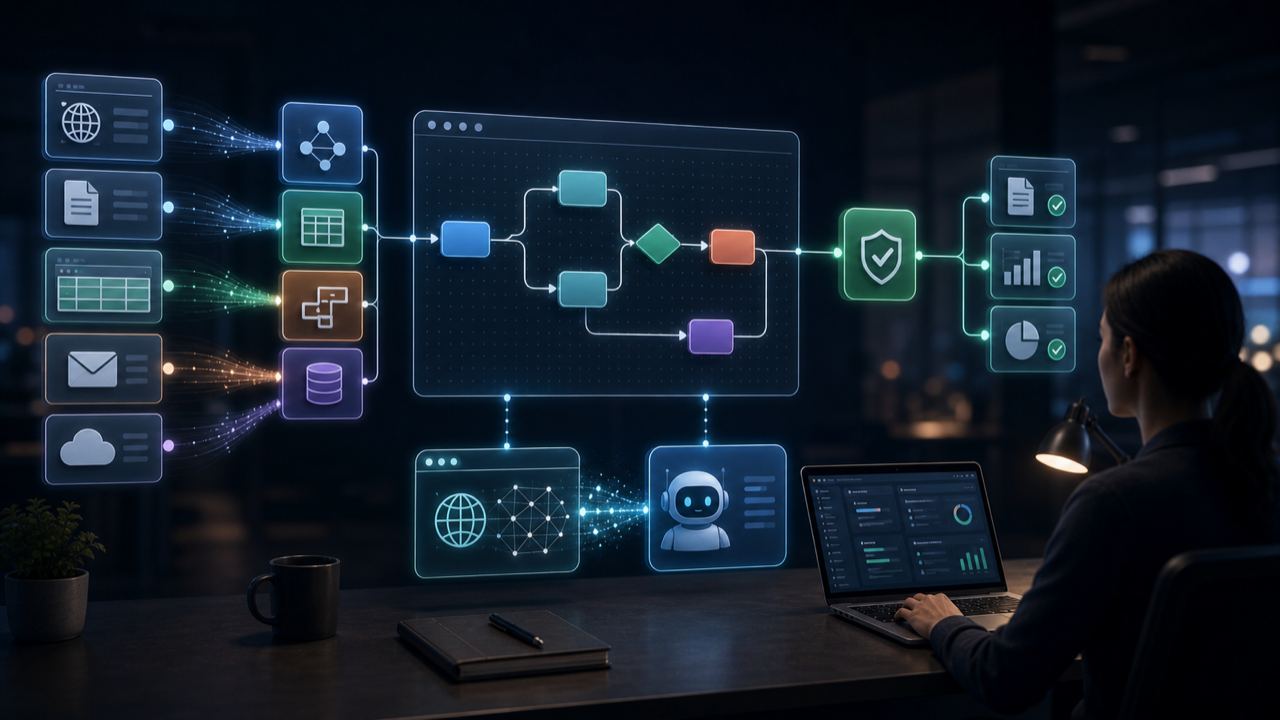
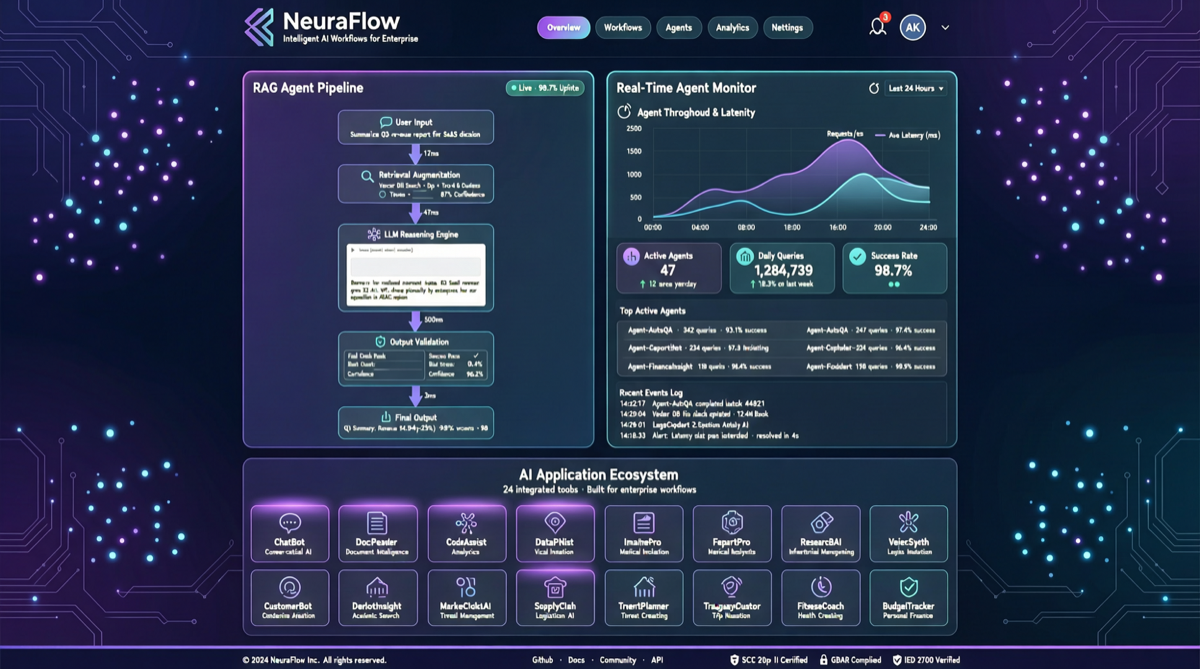
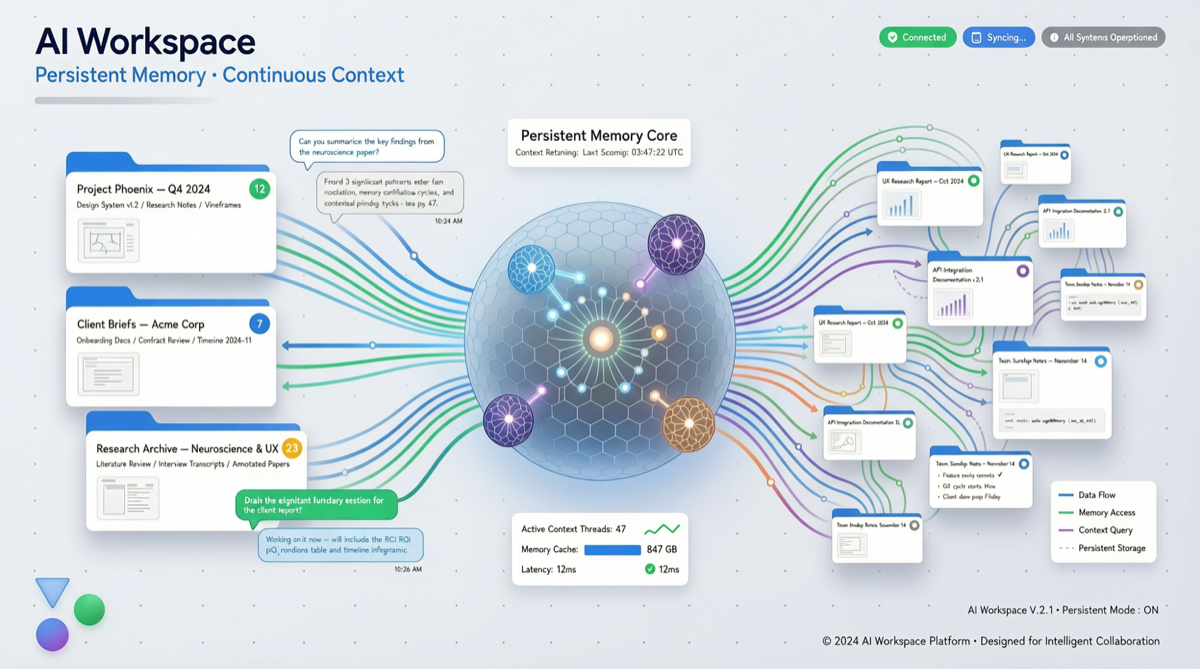
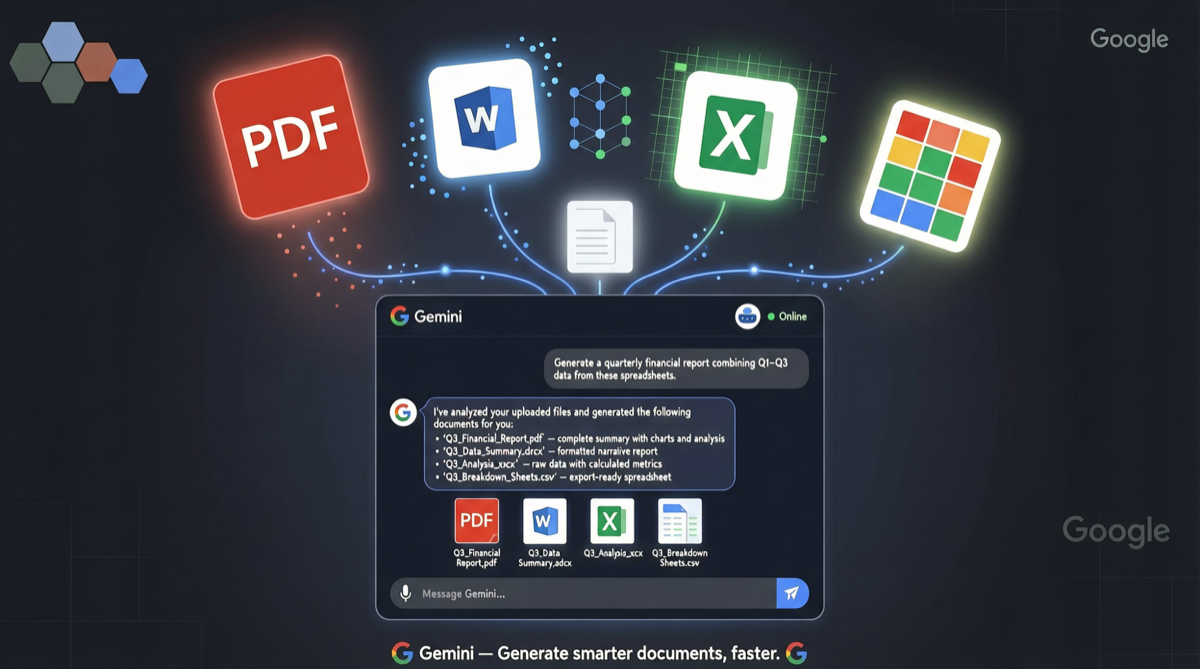
Anomaly AI puts large Excel files, GA4, databases, ad data, dashboards, reports, slides, PDFs, and scheduled reporting into one reviewable AI workspace.
Agents, workflows, and product practice
Anomaly AI puts large Excel files, GA4, databases, ad data, dashboards, reports, slides, PDFs, and scheduled reporting into one reviewable AI workspace.
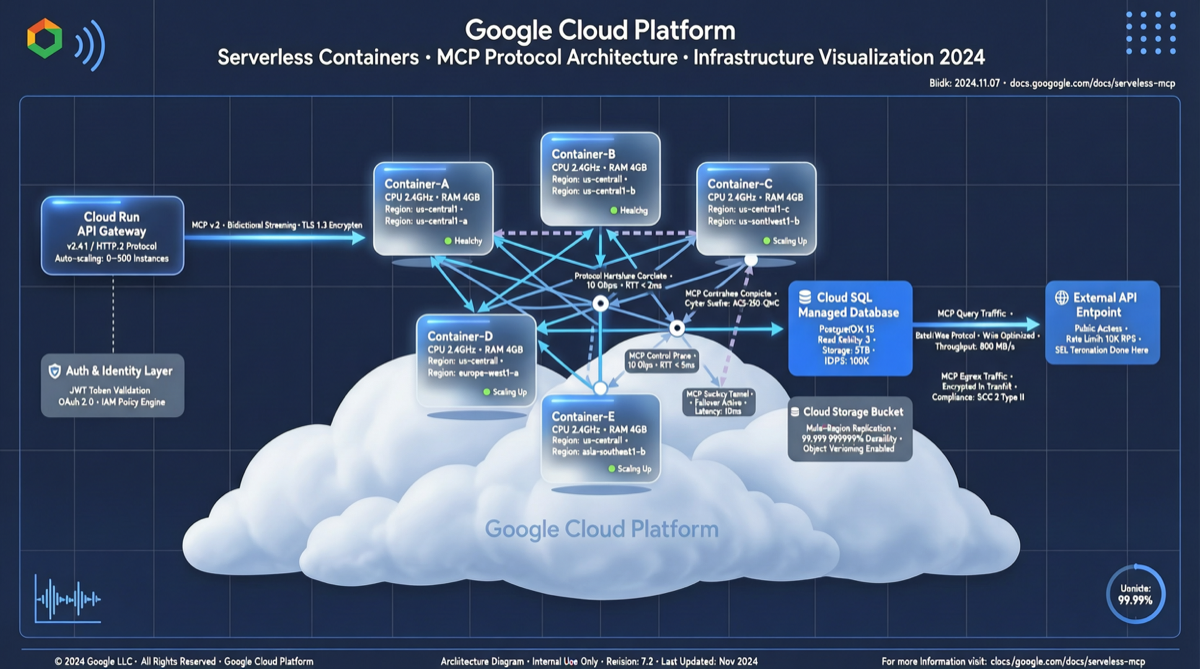
Google updated its A2A Codelab in mid-June, demonstrating cross-framework Agent collaboration using Cloud Run, Agent Engine, and AgentCard. The main challenges lie in deployment and discovery.
On June 17, Google presented three integration approaches for A2UI and MCP Apps. Agent UI is shifting from 'webpage embedding' toward native rendering and controllable components.
The June 17 update to Claude Design introduces brand consistency, canvas editing, export capabilities, and Claude Code integration. The core challenge for design agents is shifting from generation to constraint.
Firecrawl's June 2 roundup of low-code AI automation tools highlights that n8n, Cursor Automations, Claude Routines, Zapier, and Make each have their own boundaries.
Google launched the TPU Developer Hub on June 16, covering documentation for training, inference, debugging, parallelism, and security. Compute optimization is becoming a productized knowledge asset.
Anthropic announced the acquisition of Stainless—a tool that generates type-safe SDKs from OpenAPI specifications. This deal garnered 389 points and 262 comments on Hacker News, making it one of the most closely watched AI industry transactions recently. On the surface, it's just an SDK tool acquisition; but a deeper analysis reveals a new dimension in LLM company competition: developer experience is becoming the second battleground alongside raw model capabilities.
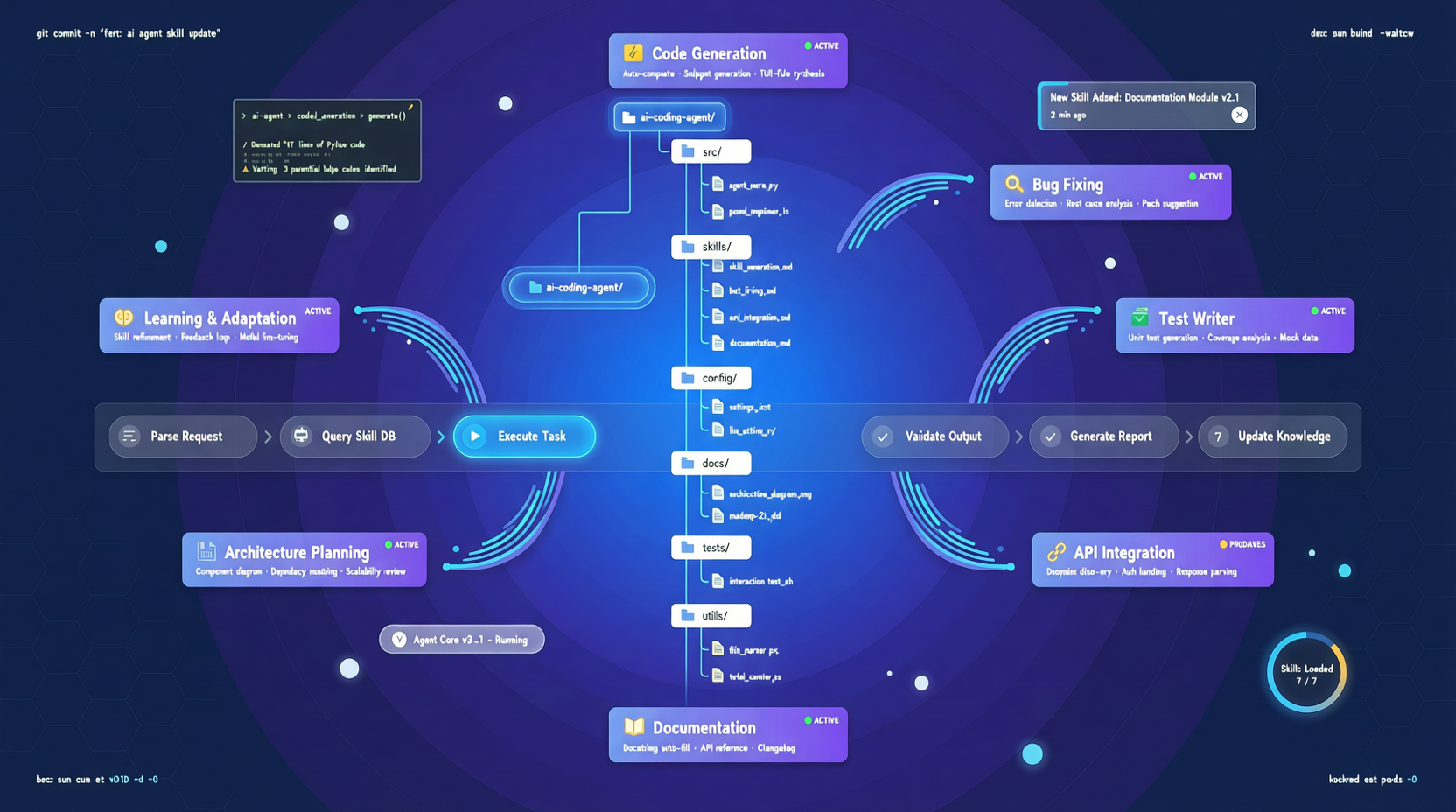
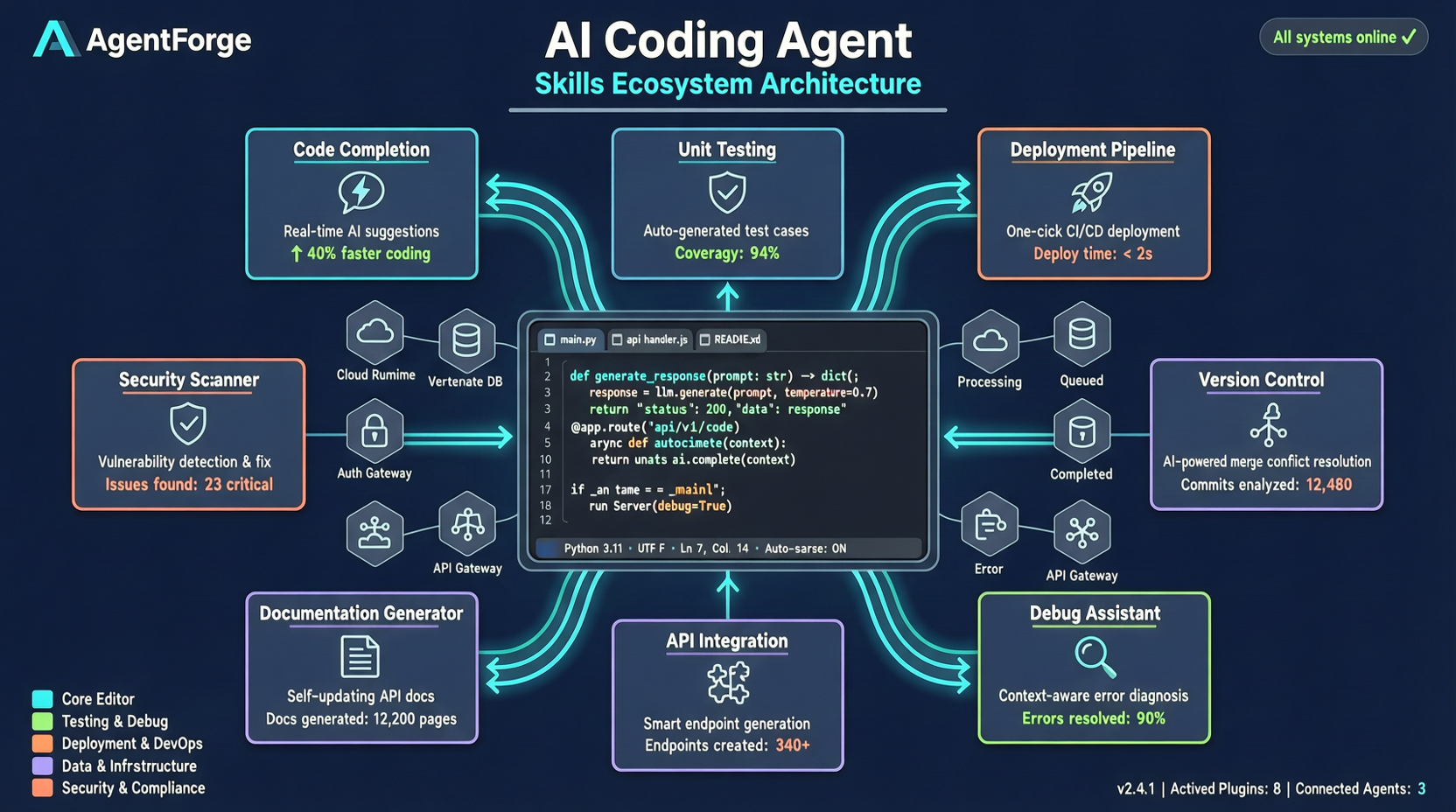
In the first half of 2026, multiple Agent Skills projects emerged on GitHub: `tech-leads-club/agent-skills` built a skill registry for professional AI coding agents, `academic-research-skills` provides end-to-end skills for academic research, and `K-Dense-AI/scientific-agent-skills` covers a general-purpose skill pack ranging from scientific research to finance. The explosive growth of these projects (tens of thousands of stars per project within months) reveals a newly forming ecosystem niche: the standardization of Agent Skills. Whoever defines the skill specifications will define the future of the Agent ecosystem.
A popular Hacker News post with 435 points reveals a simple yet effective anti-AI bot strategy for open source projects: using Git's `--author` flag to tag and filter automated commits. This approach doesn't rely on any AI detection technology, but cleverly blocks the flood of bot-driven Star and PR spam at the workflow level. For open source maintainers overwhelmed by AI bots, this could be a valuable reference.
Andon Labs (a YC-backed autonomous organization lab) launched the Andon FM experiment in January 2026: tasking four different AI models to each run a radio station, building a brand persona from scratch and achieving profitability. The results after five months were surprising—the four AI hosts developed distinctly different personalities and operational strategies, demonstrating AI autonomy's capacity for divergent evolution in long-cycle tasks.
In his lightning talk at PyCon US 2026, Simon Willison reviewed the evolution of LLMs over the past six months, highlighting a crucial signal: in November 2025, Coding Agents crossed the threshold from "occasionally usable" to "daily usable." The co-evolution of RLVR training and the agent frameworks of Codex and Claude Code has transformed AI programming from an experimental novelty into a genuine productivity tool.
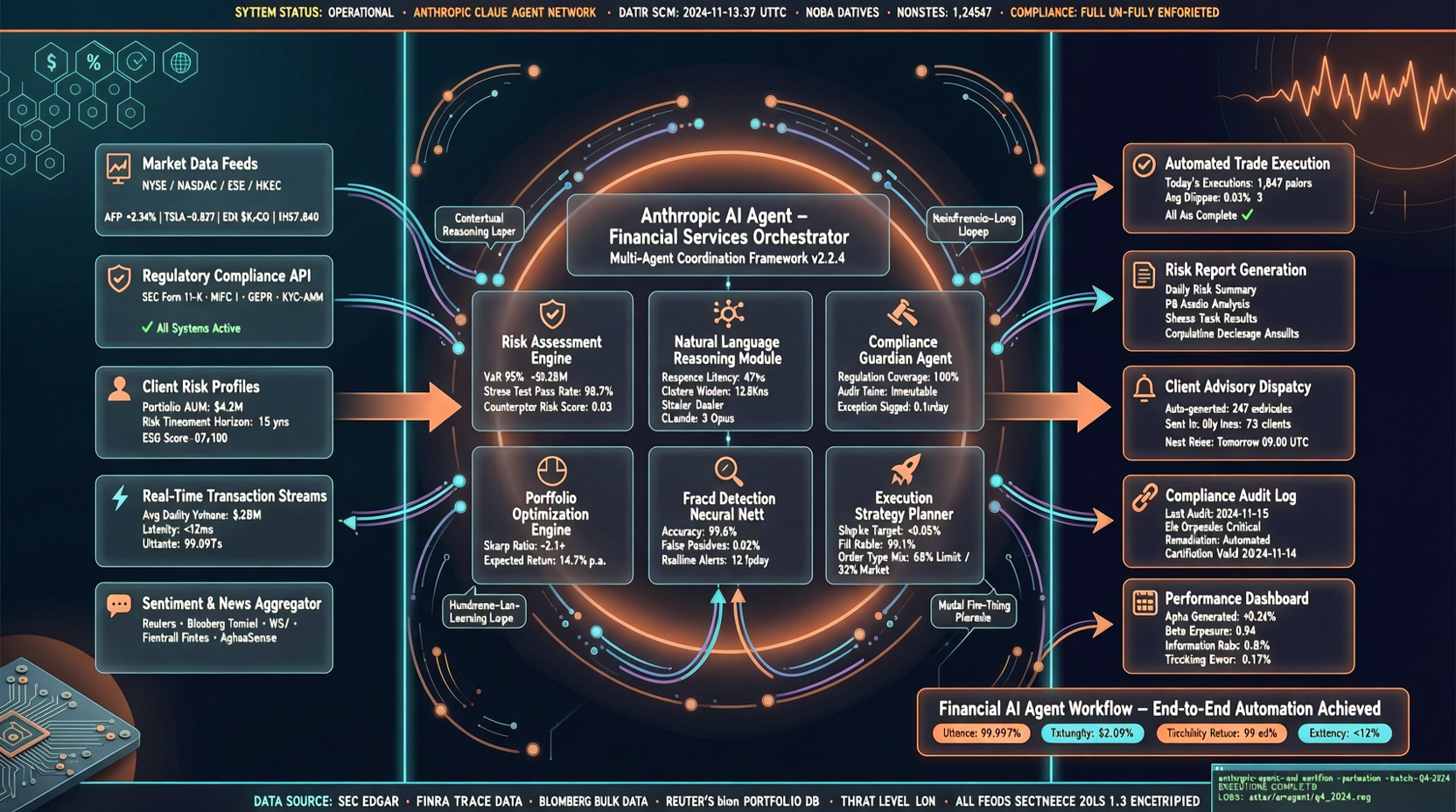
Anthropic official financial-services repo surged 6,900+ stars this week, totaling 23.9k. A reference implementation for building financial business workflows with Claude Agents, showing multi-agent collaboration in real industry scenarios.
GitHub official spec-kit crossed 100k stars this week with 6,700+ new stars. It is not another coding agent framework, but a paradigm shift: write specs first, then let AI implement.
HKUDS/AI-Trader added 2,475 stars this week, totaling 17.6k. A 100% fully-automated Agent-native trading system supporting crypto and Polymarket. Code is active, but risk warnings must be clear.
jundot/omlx gained 1,362 stars this week, totaling 14.3k. An Apple Silicon-optimized LLM inference server with SSD caching, continuous batching, and menu bar management.
PraisonAI gained 694 stars this week, totaling 7.8k. 3,724 commits, 753 version tags, MIT license, 100+ LLM support. This project brings multi-agent workflow门槛 down to 5 lines of code.
`presenton/presenton` has hit GitHub JavaScript Trending, with approximately 6,053 stars and 1,099 forks at the time of scraping. Its focus isn't on generating a PPT with a single prompt, but rather on being open-source, locally runnable, compatible with custom models, capable of exporting to PPTX/PDF, and featuring an MCP Server and API deployment capabilities.
`web-infra-dev/midscene` has hit GitHub's TypeScript Trending list, currently boasting around 13,337 stars. It focuses on AI-powered, vision-driven UI automation: describe your goals in natural language, and let the tool execute and assert based on visual interface cues. For frontend testing, mobile smoke testing, and Agent-driven UI interactions, this is a promising trend worth trying out.
`ChromeDevTools/chrome-devtools-mcp` is more than just a trending topic; it's a debugging closed-loop that frontend teams can try right away: letting the Agent reproduce issues, read Console and Network logs, take screenshots, run performance traces, and then return to the code to fix them. The key shift is that AI moves from "guessing what's happening in the browser" to "inspecting the actual runtime."
`cursor/plugins` is Cursor's official plugin specification and repository. This scrape shows approximately 644 stars, 80 forks, and it has entered the TypeScript Trending list. Its significance lies not in the number of plugins, but in how AI IDEs are packaging rules, skills, and MCP configurations into migratable workflow units.
Anthropic’s officially maintained `claude-plugins-official` has hit GitHub Trending: at the time of this snapshot, the repository has around 25,868 stars, gaining roughly 2,172 in a single day. What truly matters isn’t the numbers, but the shift in AI programming workflows—from scattered prompts to installable, auditable, and reusable plugin assets.
WeChat officially released the "Global Youth AI + Mini Program Insights Report": The platform's annual token consumption for AI creation by teachers and students has surpassed 50 billion (equivalent to 3.75 million in-depth conversations), attracting nearly 80,000 students and 17,000 teachers worldwide, with over 280,000 mini program projects created cumulatively. Generative AI has been deeply integrated into youth programming education, becoming a "standard teaching tool."
OpenHuman is an open-source desktop personal AI agent built on a "human-first" philosophy. It features one-click OAuth integration for 118+ third-party apps, local Memory Tree + Obsidian Wiki knowledge management, TokenJuice smart compression that saves 80% of tokens, and a desktop-pet-style agent that can join Google Meet meetings. It gained 1,601 stars in a single day and topped the Product Hunt daily chart.
K-Dense AI's open-source Scientific Agent Skills provides 135 ready-to-use research skills, covering 17 disciplines including bioinformatics, drug discovery, clinical medicine, and materials science. It integrates 78+ scientific databases and 70+ optimized Python package skills. Compatible with mainstream AI coding tools like Cursor, Claude Code, and Codex, it transforms general-purpose AI Agents into professional "AI Scientists."
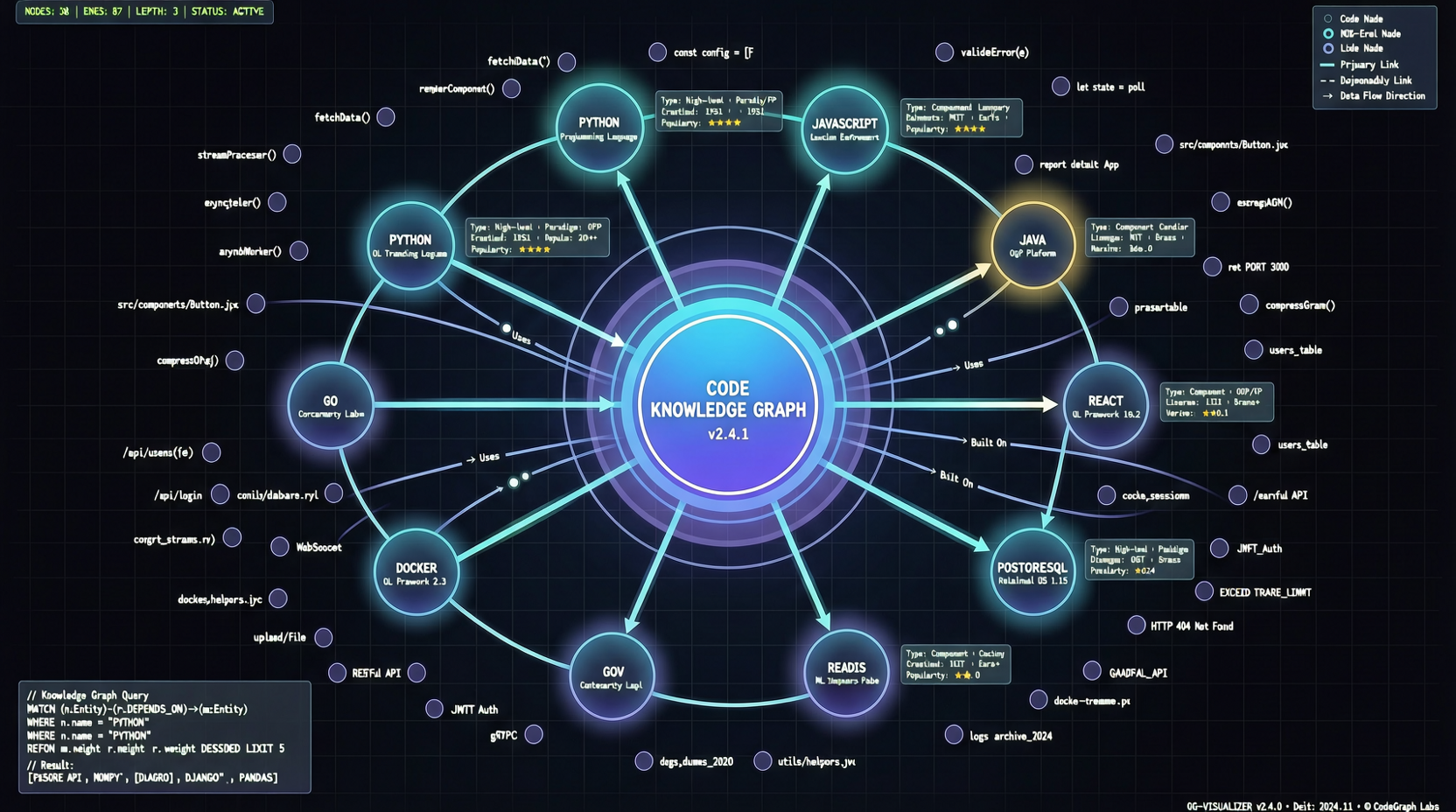
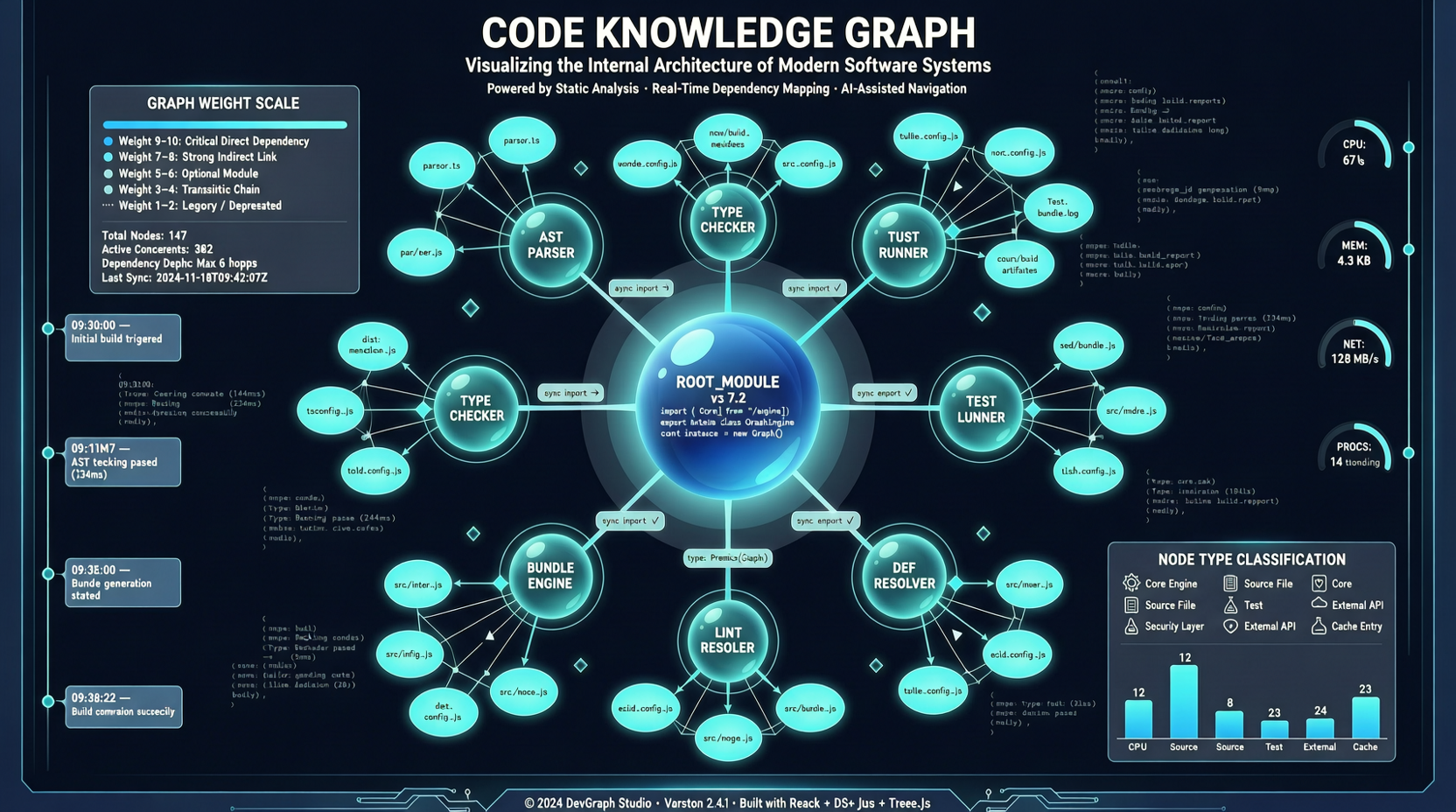
CodeGraph provides Claude Code's Explore agent with a pre-indexed code knowledge graph—complete with symbol relationships, call graphs, and code structure. In benchmark tests across 6 real-world codebases, it reduced tool calls by an average of 92% and sped up execution by 71%. In the VS Code project, tool calls dropped from 52 to 3, and execution time fell from 1 minute 37 seconds to just 17 seconds.
With 194K stars, obra/superpowers has become one of GitHub's hottest AI programming frameworks. Instead of writing a single line of code, it provides a complete methodology for Agent development—covering the entire workflow of coding Agents from requirement clarification and TDD to sub-agent-driven development and code review. It supports mainstream platforms like Claude Code, Codex, Cursor, and Gemini CLI, gaining 1,281 stars daily.
The `humanlayer/12-factor-agents` repository has garnered 21,600 stars. It is neither a framework nor a codebase, but a methodology—drawing an analogy to the classic "12-Factor App," it defines 12 design principles for LLM-driven software. From "letting the LLM make decisions" to "taking control of the control flow," and from context window management to human-in-the-loop collaboration, every principle is grounded in real-world practice.
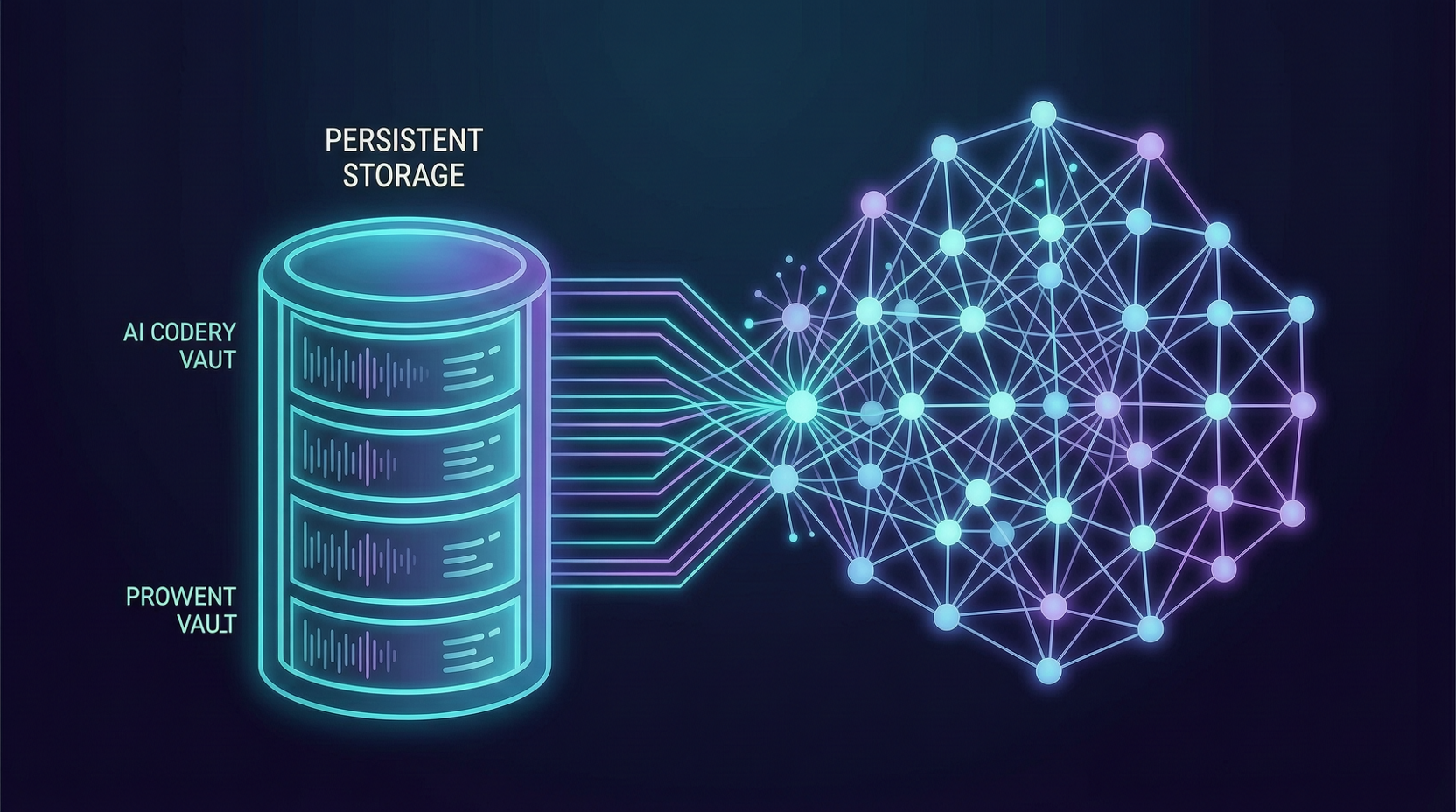
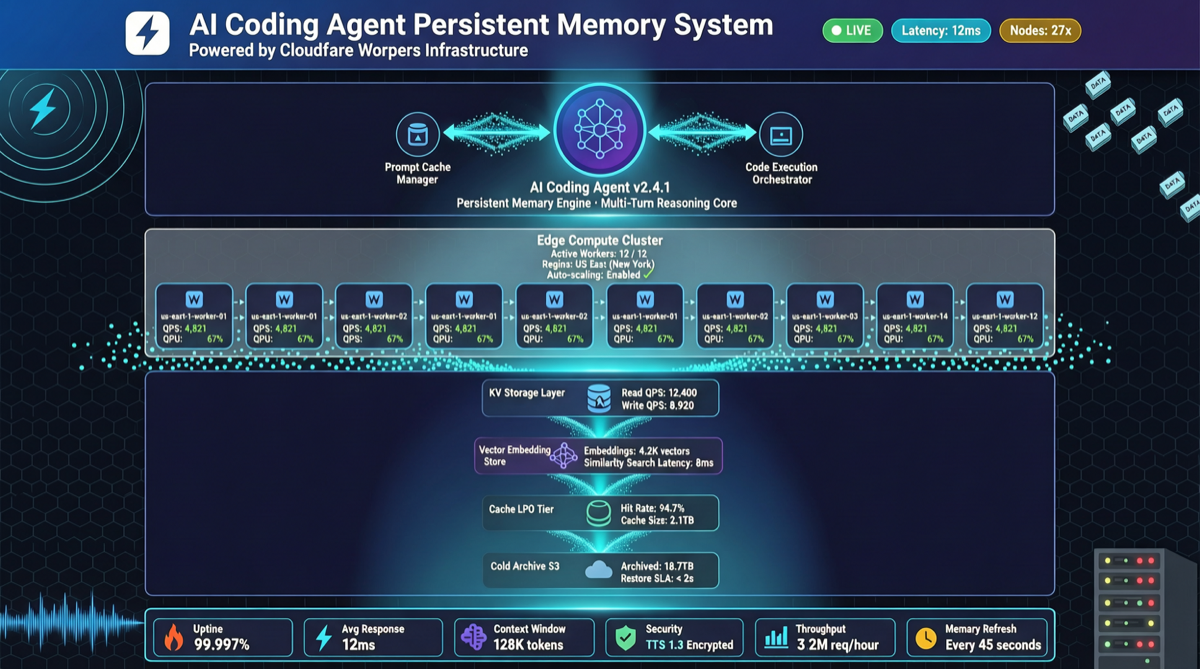
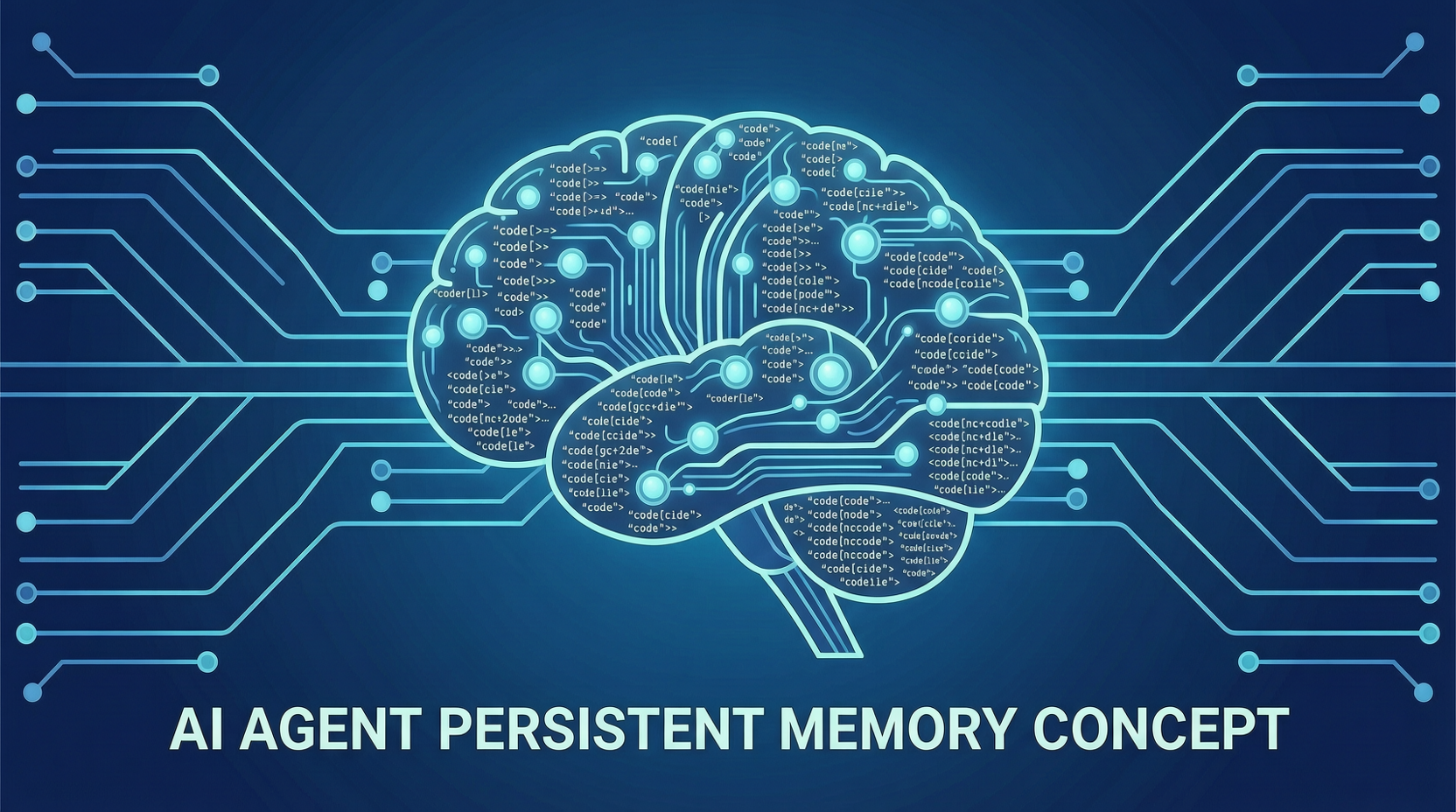
rohitg00/agentmemory has reached 16,132 stars, adding 7,000 this week alone. It tackles a highly specific problem: AI coding agents act like they have amnesia every time they open a project, forcing them to re-understand the codebase from scratch. agentmemory solves this with a persistent memory layer, enabling agents to retain project context, developer habits, and past decisions.
Anthropic's anthropics/skills repository has reached 139,125 stars, gaining over 4,700 stars per week. This is no ordinary open-source project—it is rapidly becoming the "de facto standard" for AI Agent skills. From the .claude-plugin specification to over 600 community-driven PRs, an ecosystem centered around Agent skills is quickly taking shape.
joeseesun/qiaomu-anything-to-notebooklm has reached 4,420 stars, adding 2,257 this week. It is a Claude Skill that processes content from various sources—including WeChat Official Account articles, web pages, YouTube videos, PDFs, and Markdown—and imports it into NotebookLM to generate podcasts, PPTs, mind maps, quizzes, and more.
OpenAI officially launched the ChatGPT for PowerPoint integration today. Similar to its previous Excel and Google Sheets plugins, it adds a sidebar to PowerPoint where users can create or edit presentations using prompts and incorporate materials like documents and images. The feature is now available in beta and covers nearly all ChatGPT users, from the free tier to enterprise plans.
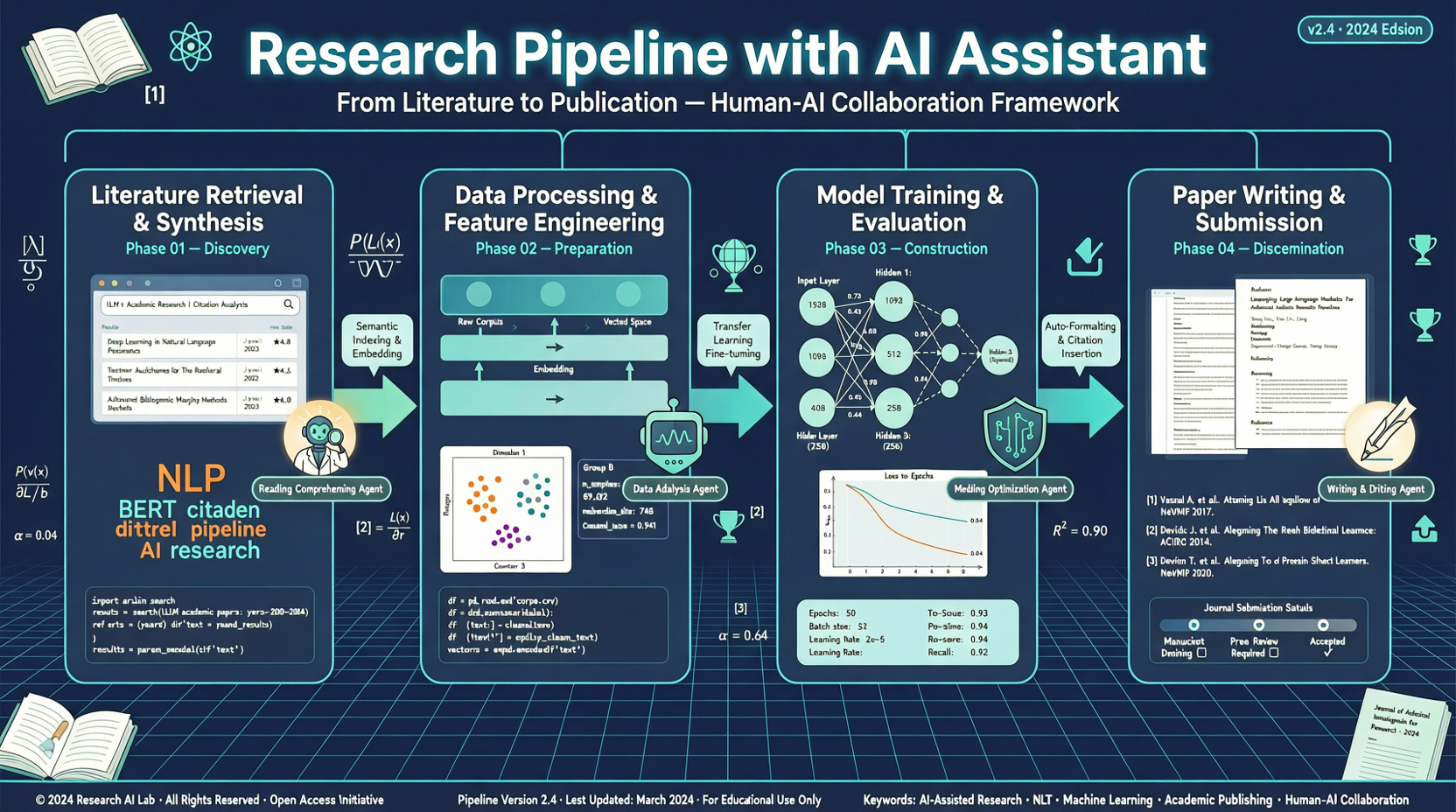
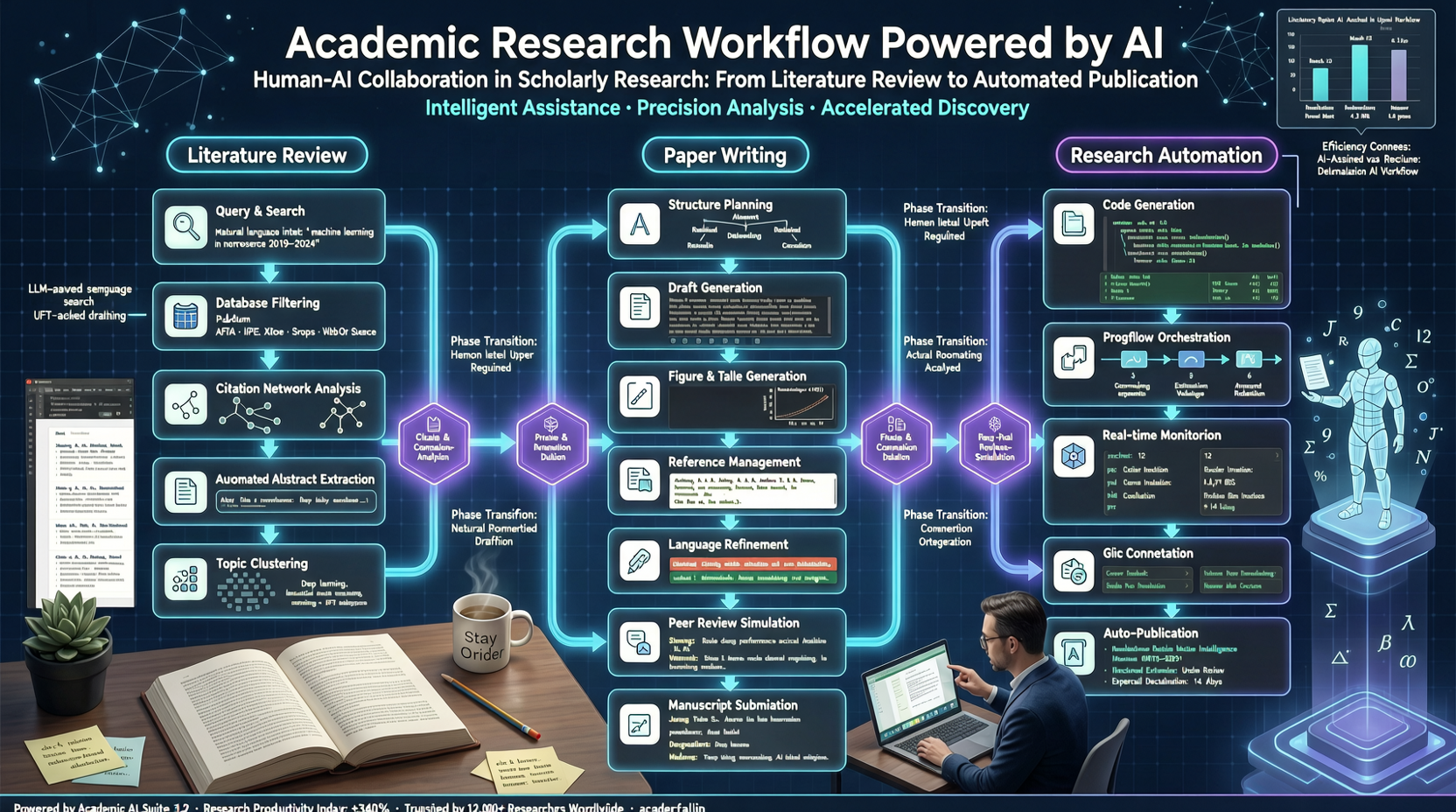
`academic-research-skills` equips Claude Code with a comprehensive suite of academic research capabilities: literature search → paper drafting → peer review → revision → finalization. With 18,184 stars (+10,737 this week), 421 commits, and 27 release tags, this is no toy project. It has matured to v3.9.4.2, complete with its own plugin system and command architecture.
CloakBrowser is a "stealth version of Chromium"—designed as a drop-in replacement for Playwright, it patches browser fingerprints at the source code level and passes all 30/30 anti-detection tests. With 18,231 stars, it gained 7,769 in just one week. But the questions it raises are more interesting than the problems it solves: why do so many developers need a "stealth" automated browser?
The K-Dense-AI/scientific-agent-skills repository has reached 25,140 stars, gaining 3,478 this week alone. It provides a set of ready-to-use Agent Skills covering research, science, engineering, analysis, finance, and writing. Rather than a generic collection of prompts, it is a verified package of domain-specific professional skills.
OpenHuman surged by 17,399 stars in the past week, bringing its total close to 25,000. Its slogan reads, "Your personal AI superintelligence—private, simple, and incredibly powerful." But it's not just a chat interface; it's a deeply customizable, fully controllable AI assistant workspace. Let's explore what problems it actually solves and how to integrate it into your daily routine.
supertone-inc/supertonic has reached 9,232 stars, gaining 4,120 this week. Its positioning is straightforward: an on-device, multilingual TTS engine based on ONNX that runs locally without cloud APIs. It's extremely fast and supports multiple languages. While most TTS solutions are still competing on cloud API pricing, this project has chosen a different path.
The academic-research-skills project provides Claude Code with a complete academic research workflow: Literature Review → Writing → Review → Revision → Finalization. With over 10,000 stars on GitHub, it is transforming how academic researchers work.
Academic Research Skills gained 8,737 new stars on GitHub in just one week, bringing its total to 17,460. It provides a complete academic research workflow—research → write → review → revise → finalize—all implemented through Claude Code's Skills mechanism. For academics, this may currently be one of the most practical AI-assisted research solutions available.
`academic-research-skills` provides a complete academic research workflow for Claude Code, automating the entire process from literature review to final manuscript. Its 15,000 stars prove this isn't a niche demand—the pain points of researchers and students are very real.
The agent-skills project, launched by Tech Leads Club, is building a secure, verifiable registry for AI Agent skills. It aims to standardize the plugin ecosystems of tools like Claude Code, Cursor, and Copilot—much like how the App Store revolutionized smartphones.
AgentMemory has surpassed 15,000 stars on GitHub, adding nearly 8,000 in just one week. It tackles the most painful bottleneck in the AI coding agent space: every time an agent opens a project, it acts like an amnesiac, having to understand everything from scratch. By implementing a persistent memory layer, AgentMemory allows agents to truly "remember" project context.
CLI-Anything has garnered over 36,000 stars on GitHub. Its mission is simple yet radical: enable any software to be directly invoked by AI Agents. This isn't just another tool; it's a new paradigm for software interaction.
CLI-Anything has garnered 38,000 stars, and its goal sounds ambitious—making all software Agent-Native. But a closer look at its architecture and existing agent-harness implementations shows this vision is turning into an actionable roadmap.
CloakBrowser gained 8,348 stars on GitHub in just one week, pushing its total past 17,900. It is a stealth Chromium browser that serves as a direct drop-in replacement for Playwright and has passed 30/30 anti-detection tests. As AI Agents increasingly handle web automation tasks, "how to avoid being identified as a bot" has evolved into an infrastructure-level challenge.
CodeGraph gained 6,731 stars on GitHub in just one week, surpassing 11,500 in total. It tackles a big but simple task: pre-indexing a project's code knowledge graph for AI coding tools like Claude Code, Codex, and Cursor. The results are straightforward—reduced token consumption, fewer tool calls, and 100% local execution.
codegraph replaces traditional file-by-file reading with a pre-indexed code knowledge graph, drastically reducing token consumption and tool call frequency for AI coding agents. This approach may represent the foundational architecture direction for the next generation of AI programming tools.
K-Dense AI's scientific-agent-skills provides AI Agents with ready-to-use skill packs covering research, science, engineering, analysis, finance, and writing. With over 24,000 stars on GitHub, it is rapidly becoming a practical tool for AI-assisted scientific research.
The `andrej-karpathy-skills` repository distills Karpathy's observations on LLM programming into a `CLAUDE.md` file, amassing 140,000 stars. It's not a tool, but a crystallization of hard-earned lessons—telling you exactly which pitfalls to avoid when using AI to write code.
OpenHuman added 19,177 stars on GitHub in just one week, pushing its total past 24,000. Its mission is straightforward: integrate your private data, local models, and various tools into a true AI superintelligence that belongs entirely to you. This isn't just another chatbot; it's a reconstruction of personal AI infrastructure.
With nearly 200,000 stars on GitHub, obra/superpowers offers not a specific tool, but a framework and methodology that equips AI agents with reusable skills. This reflects a broader trend in AI programming: shifting from one-off conversations to composable workflows.
Tencent launches the public beta of Ardot, an AI design agent that supports generating editable prototypes via natural language and one-click code conversion. Targeting the core workflows of designers and product managers, this tool marks a critical leap for design tools from assisted drafting to intelligent co-creation.
academic-research-skills gained 4,402 stars in one week, reaching a total of 13.5K. It covers the full academic workflow—from research to publication—with built-in integrity checks, citation verification, and style calibration, positioning AI as a copilot—not the pilot.
agentmemory gained 7,830 stars in one week, reaching a total of 13.6K stars. Built on the iii engine, its persistent memory solution supports all major agents—including Claude Code, Cursor, and Codex—with measured reductions of 92% in token consumption and a 95.2% retrieval recall rate (R@5).
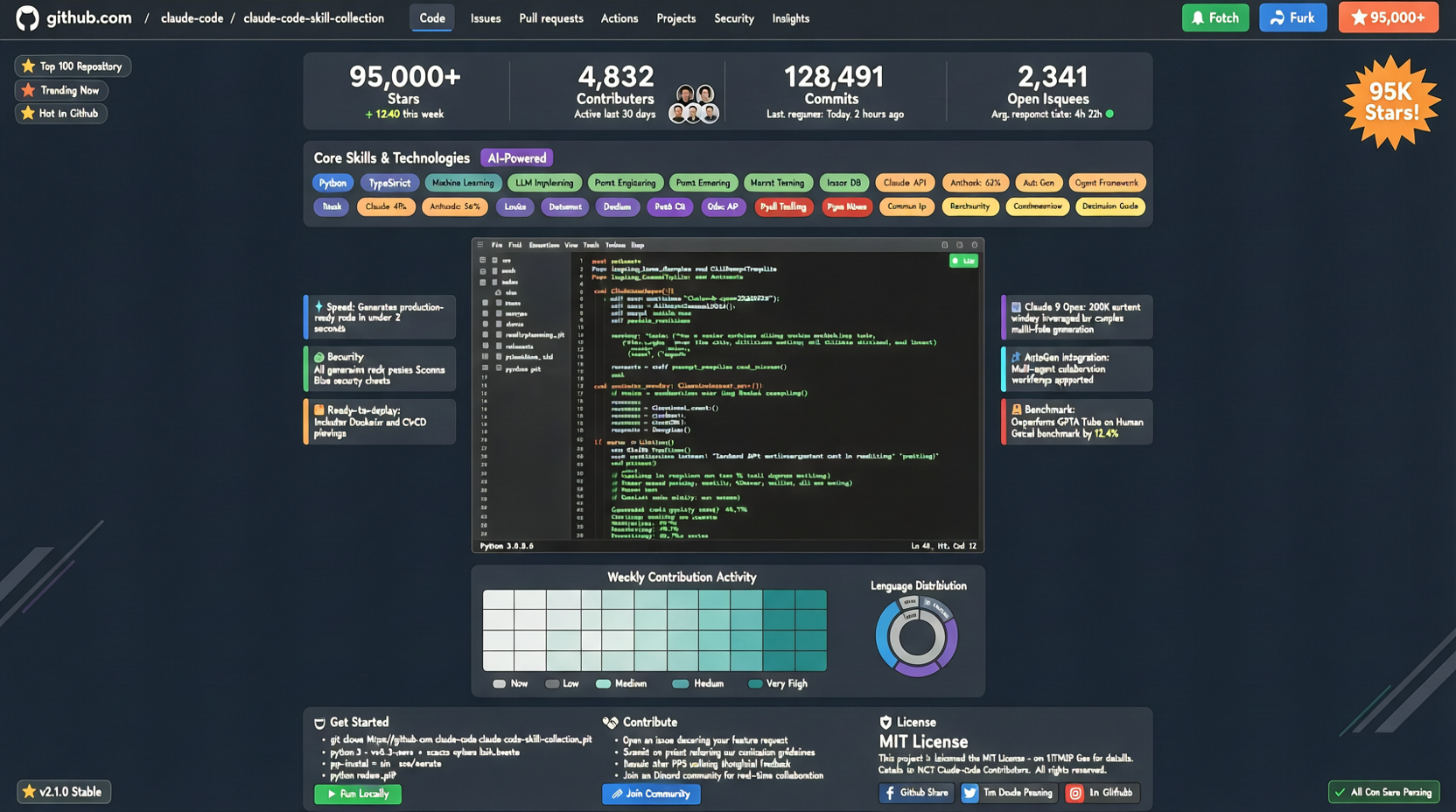
mattpocock/skills gained 20,361 stars in one week, reaching a total of 93,487. The `.claude/skills` directory has evolved from personal configuration into shareable, composable “workflow packages”—shifting AI programming’s reusability granularity from code snippets to engineering methodologies.
CodeGraph provides pre-indexed code knowledge graphs for programming agents like Claude Code. In benchmark tests across six real-world codebases, it reduced tool calls by an average of 92% and improved speed by 71%, running entirely locally.
OpenHuman surged by 15,349 stars in a week, reaching a total of 19.6K. This open-source personal AI assistant, built in Rust, features 118+ third-party integrations, a local memory tree, token compression, and a desktop mascot, positioning itself as a privacy-first personal intelligence hub.
agentmemory provides persistent memory for AI coding agents, supporting Claude Code, Codex and more. Gained 8000+ stars in a week on GitHub, fastest growing agent memory project.
codegraph provides pre-indexed code knowledge graphs for Claude Code, Codex, Cursor and other coding agents, using fewer tokens and fewer tool calls for more accurate project understanding. 100% local.
Forge is a Python framework that uses guardrails to boost 8B-class small models from 53% to 99% success rate on agentic tasks. The core idea is not swapping models but adding constraints.
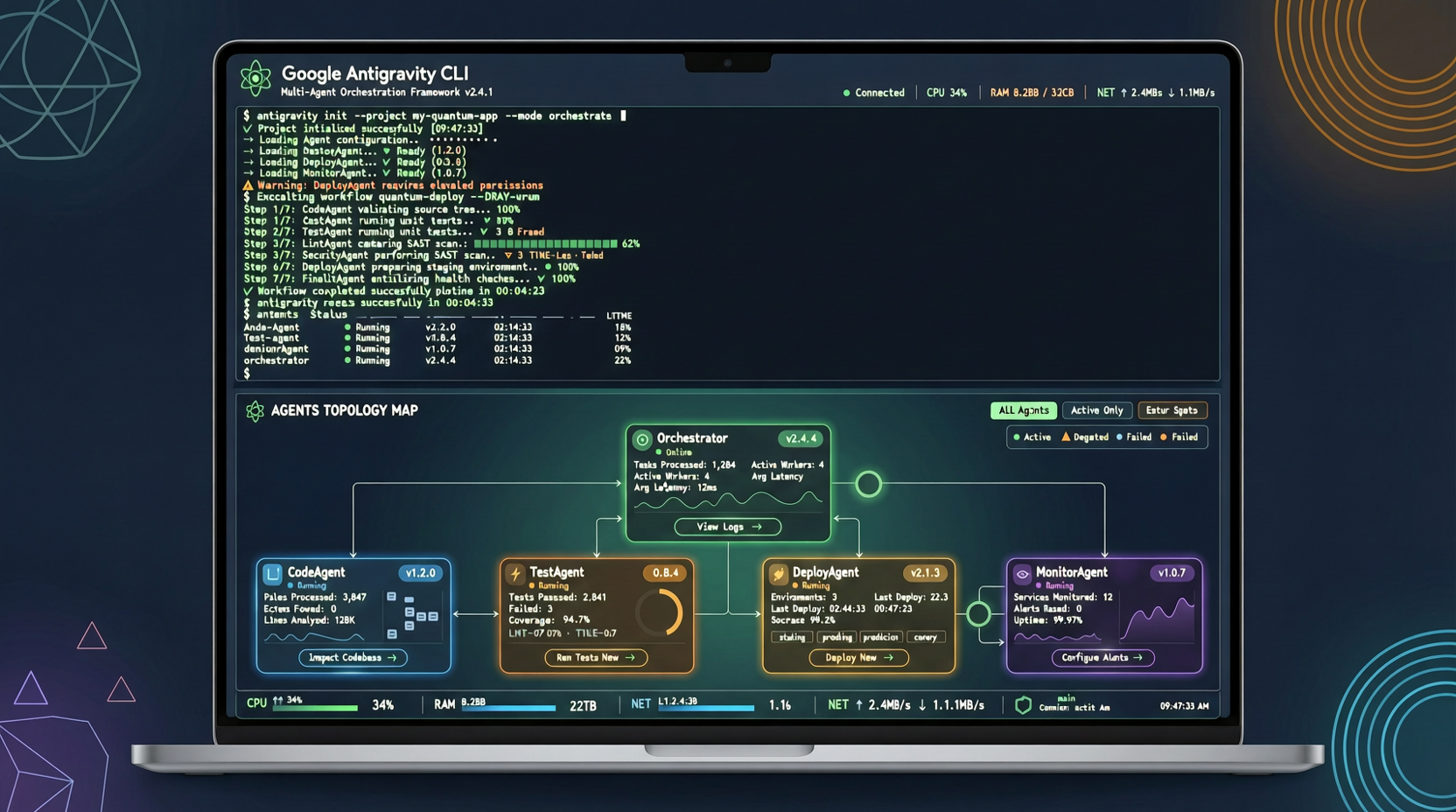
Google announces Gemini CLI will stop serving on June 18, fully migrating to Antigravity CLI. The new version is rewritten in Go, supports multi-agent async orchestration, representing a paradigm shift from single-agent to multi-agent terminal AI tools.
TypeScript educator mattpocock open-sourced his .claude skill configurations, gaining 19000+ stars in a week, totaling 95K. It is not a tool, but a collection of practical engineer skills.
rohitg00/agentmemory surged 6,907 stars in a single week, surpassing 11K total. It solves a simple but critical problem: AI coding assistants start from scratch every time you open a project, like amnesia. agentmemory gives them persistent memory—and already supports Claude Code, Cursor, Codex, and other mainstream tools.
From agentmemory persistent memory, Semble efficient code search, Needle local tool calling, to Sx AI skills package management - the AI Agent tool ecosystem is evolving from scattered plugins into structured workflows. What does this evolutionary path mean?
cactus-compute/needle open-sourced a 26M parameter function calling model, scoring 764 points and 210 comments on Show HN. It can distill Gemini-level tool calling capability into a size that runs on a Raspberry Pi—meaning local agents no longer need cloud LLMs.
MinishLab/semble is a code search tool designed specifically for AI agents, claiming to save approximately 98% of tokens compared to traditional grep+read approaches. In an era where every agent context window burns money, this tool hits a painfully precise pain point.
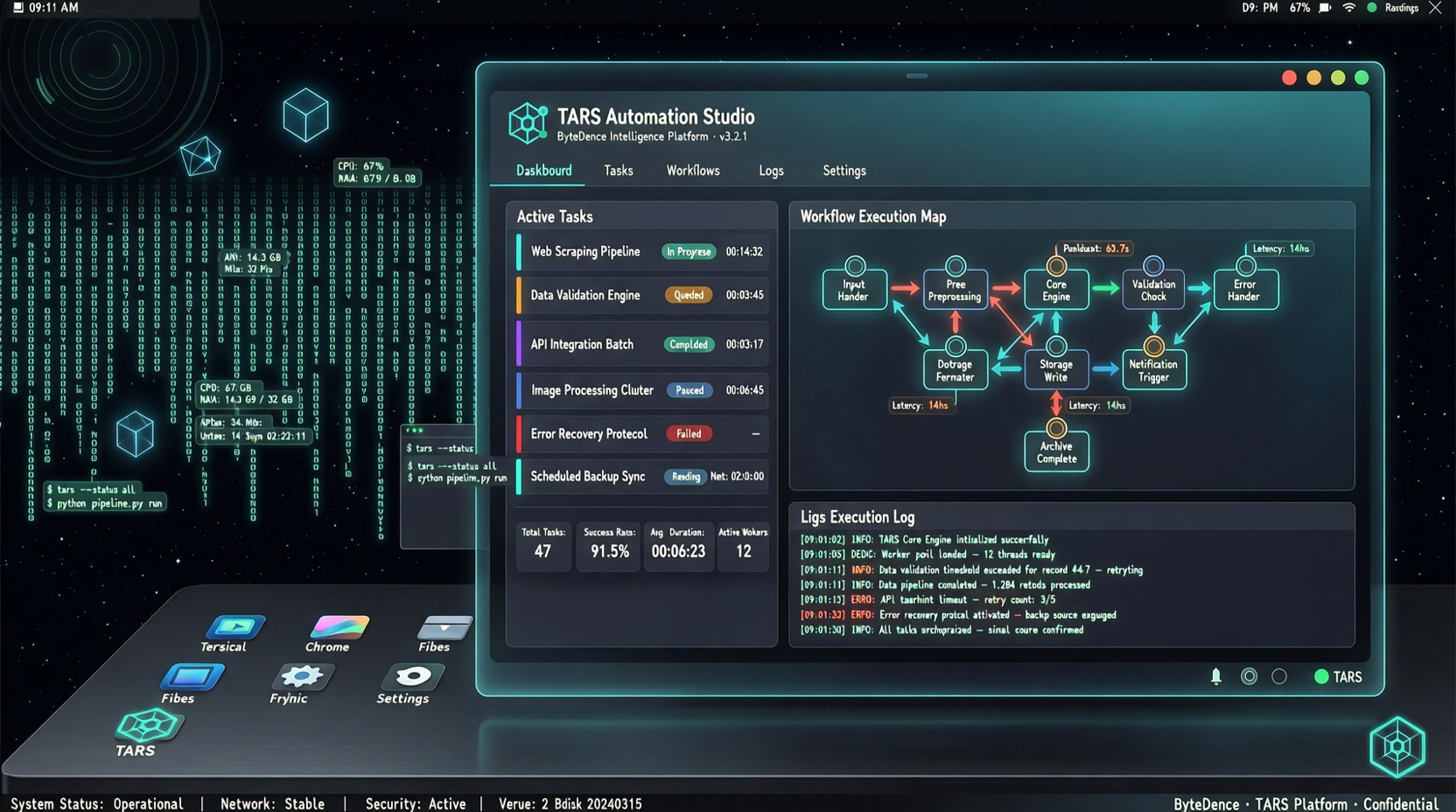
bytedance/UI-TARS-desktop gained 3,105 stars this week, reaching 34.4K total. But open the repo and the latest commit is from two months ago, and the desktop app is being sunset. What is really going on?
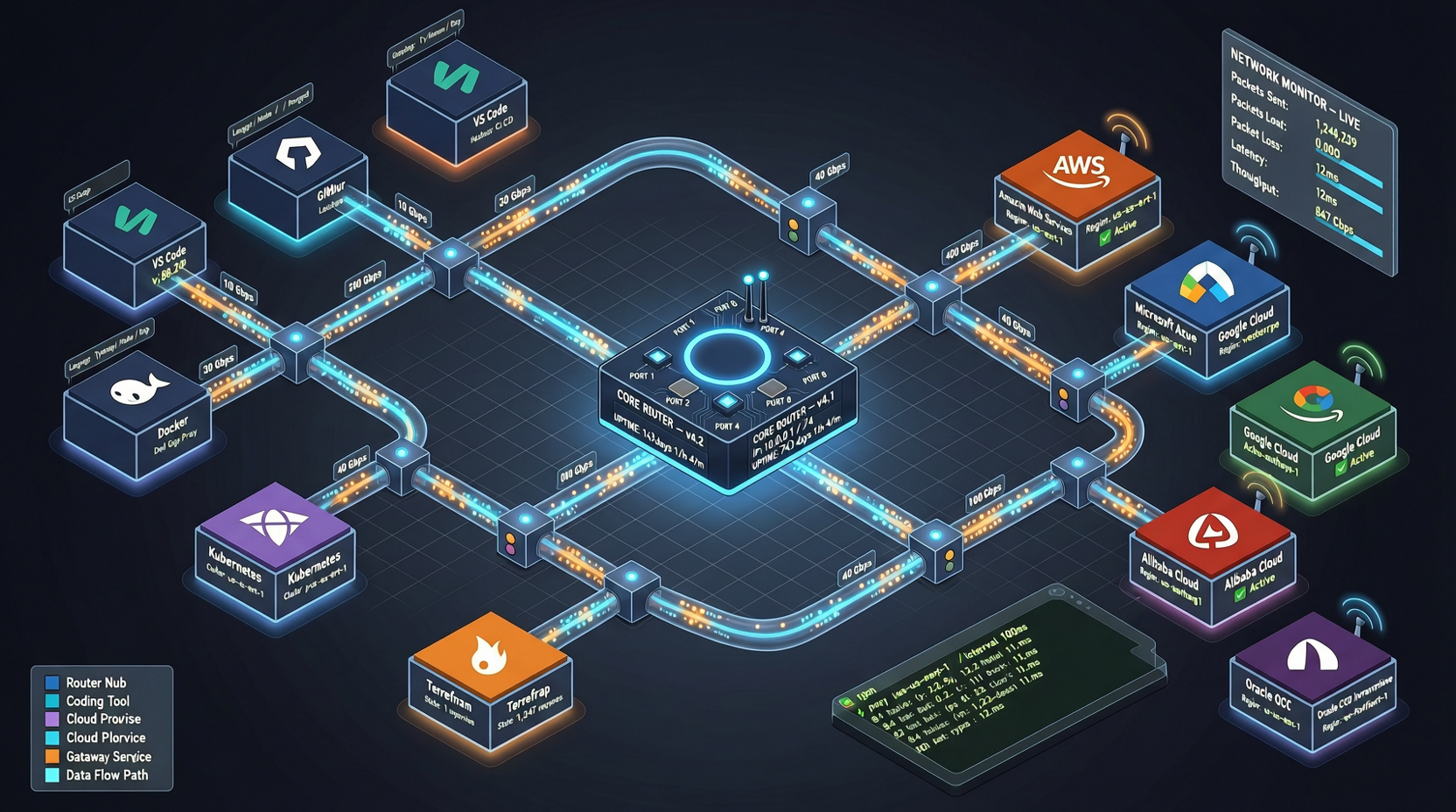
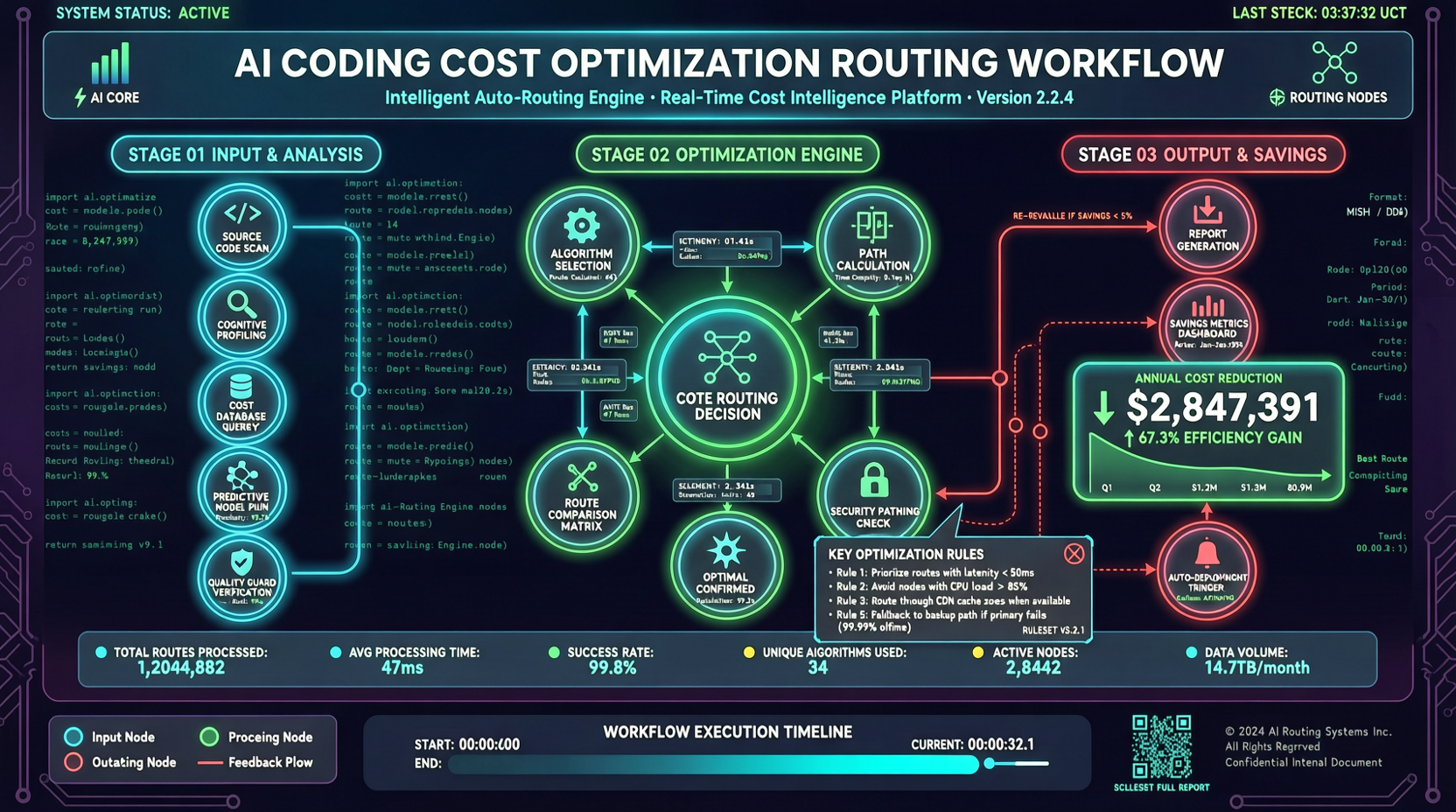
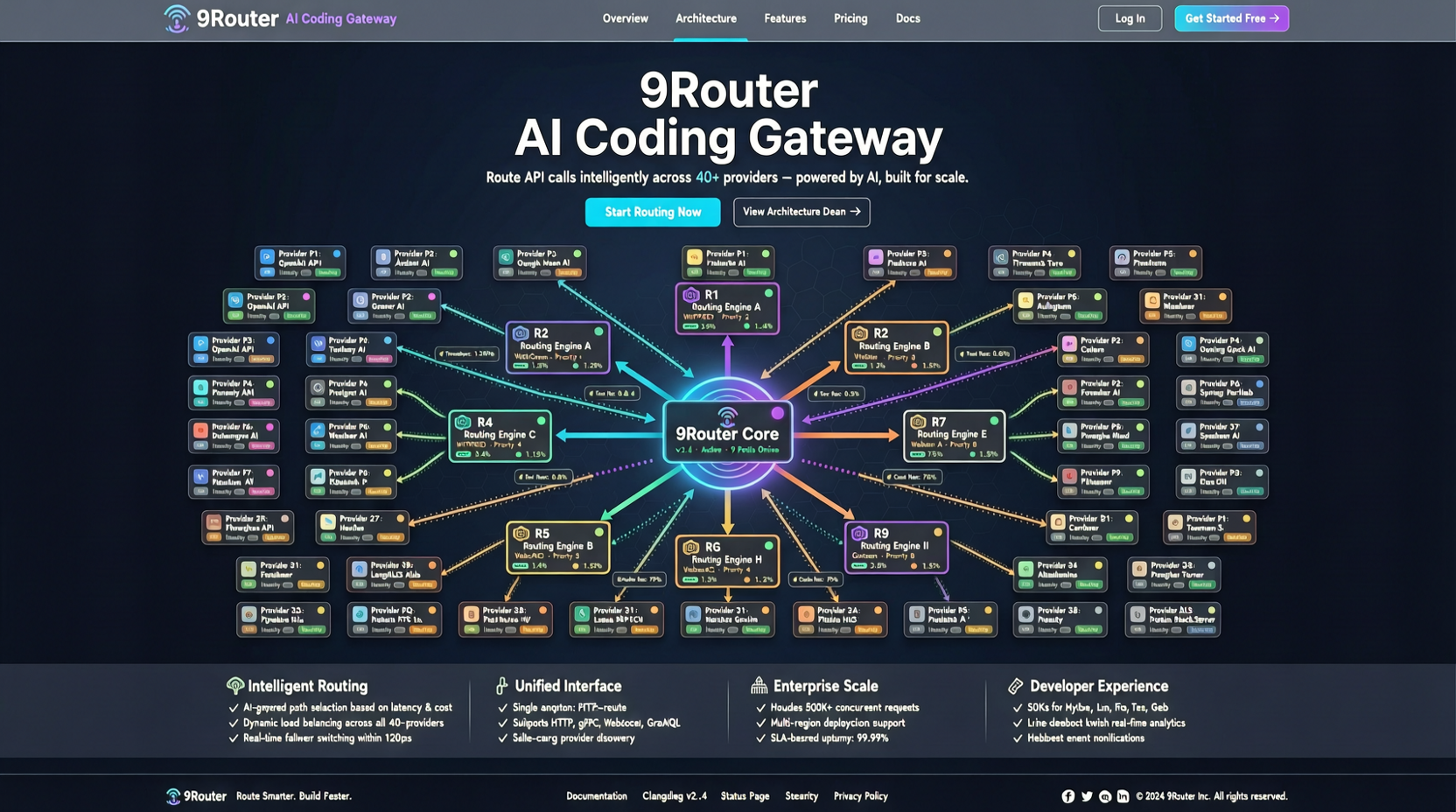
9router surged 5,377 stars in one week to reach 10.8k total stars; its core idea is to use a proxy routing layer to connect programming tools—including Claude Code, Codex, Cursor, and Cline—to 40+ free model providers, enabling automatic fallback and token compression for “unlimited free AI programming.”
9router gained 6,000+ stars in one week. Its core idea: use a proxy layer to connect Claude Code, Cursor, Cline, Copilot to 40+ free/cheap model providers, with auto-fallback and RTK token compression for near-free daily coding.
agentmemory provides cross-session persistent memory for Claude Code, Codex, and other coding agents, supporting entity graphs, semantic search, and benchmark-verified performance. Gained 6,500 stars in a week to 9,500. Solves the "Agent starts amnesiac every session" problem.
agentmemory provides a persistent memory layer for AI programming agents like Claude Code and Codex, enabling project-level and cross-session knowledge storage. It surged by 6,800 stars in one week to reach 9.8k total stars—solving the long-standing pain point of having to re-explain project context to your agent every time you open a new session.
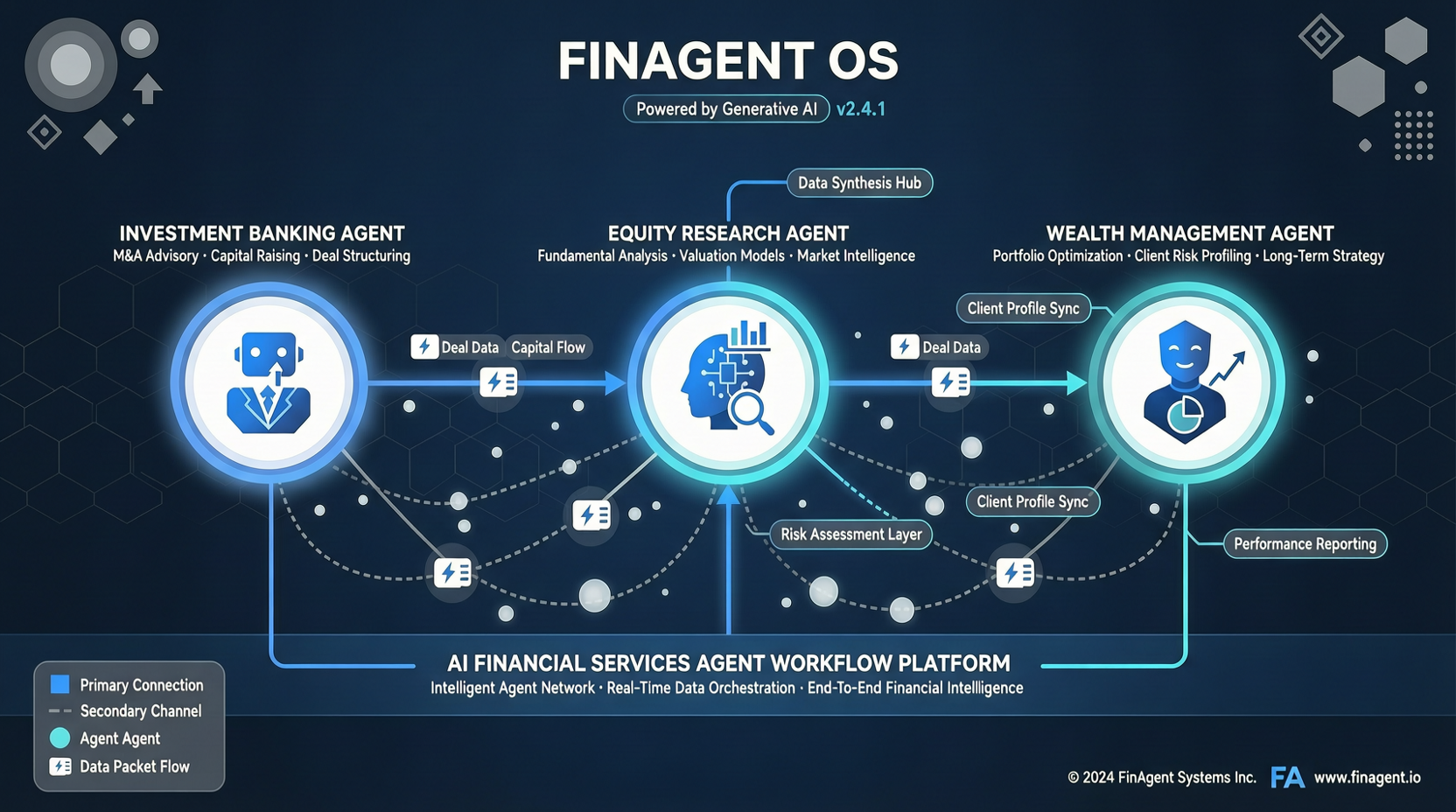
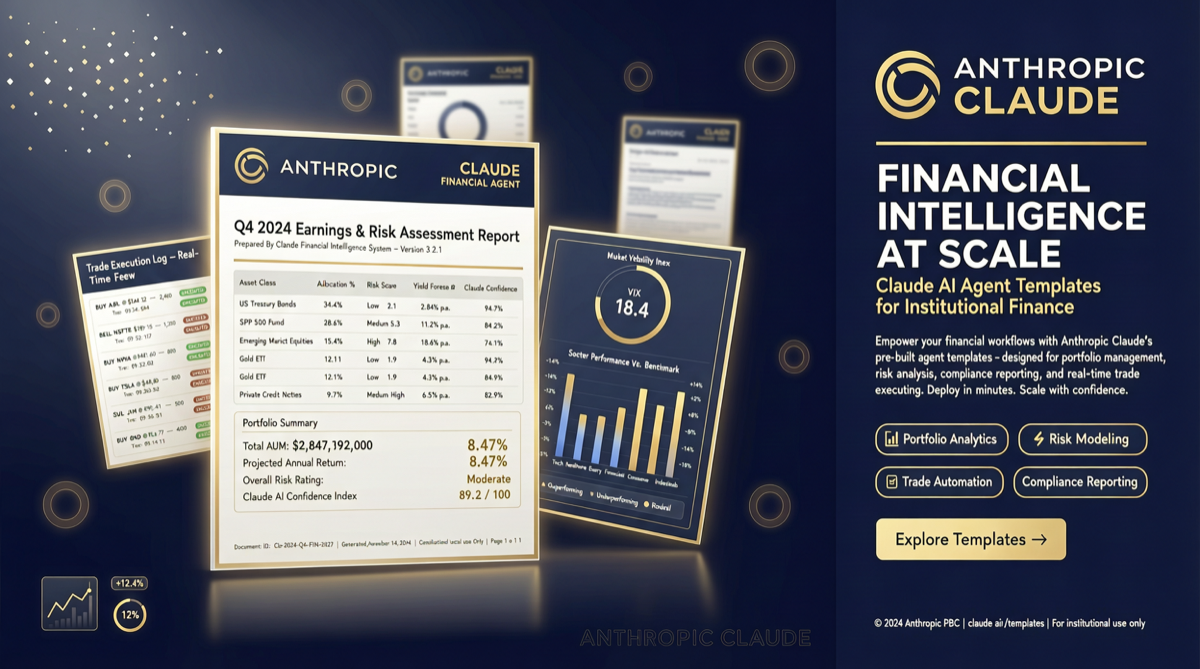
Anthropic has open-sourced its financial-services repository, amassing 9,400 stars in just one week. This is no demo—it includes nine production-ready, industry-specific Agent templates—including an Investment Banking Pitch Agent, GL Reconciler, and KYC Screener—deployable via both the Claude Cowork plugin and the Managed Agents API.
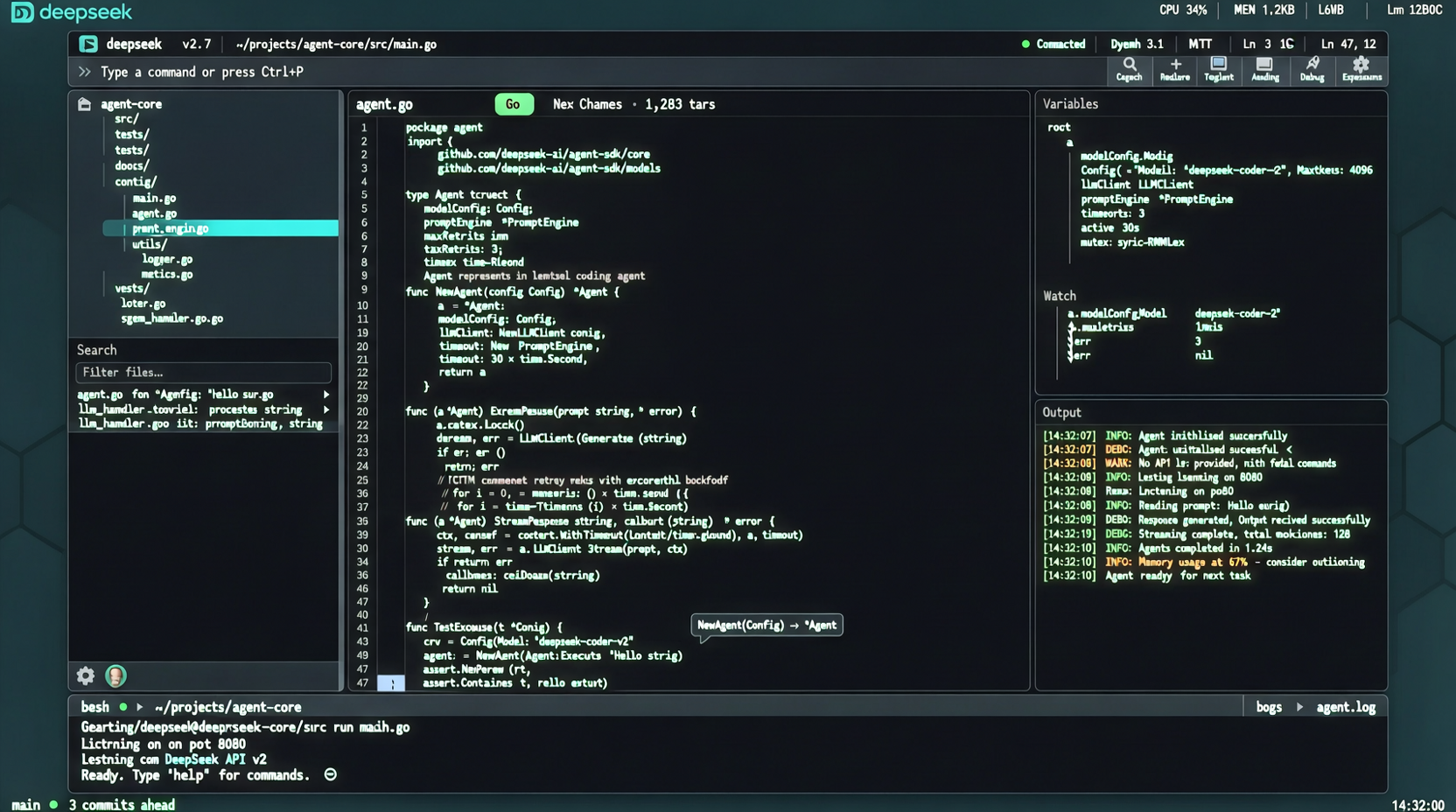
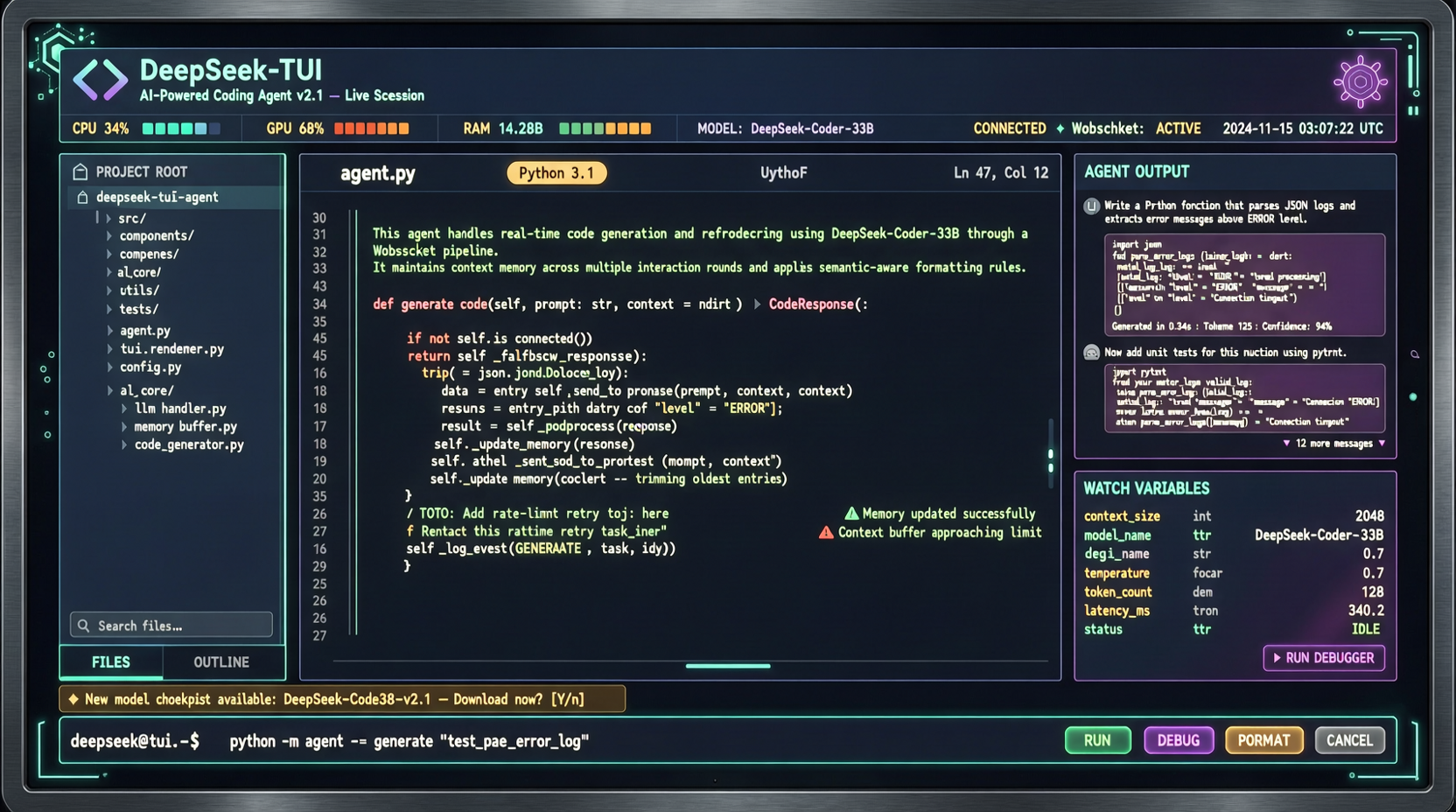
DeepSeek-TUI gained 8,701 stars in one week, reaching 30K total; v0.8.38 has accumulated 1,382 commits. It integrates DeepSeek models into a terminal-based TUI interface, delivering a complete coding agent workflow—with Feishu integration and one-click Tencent Cloud deployment.
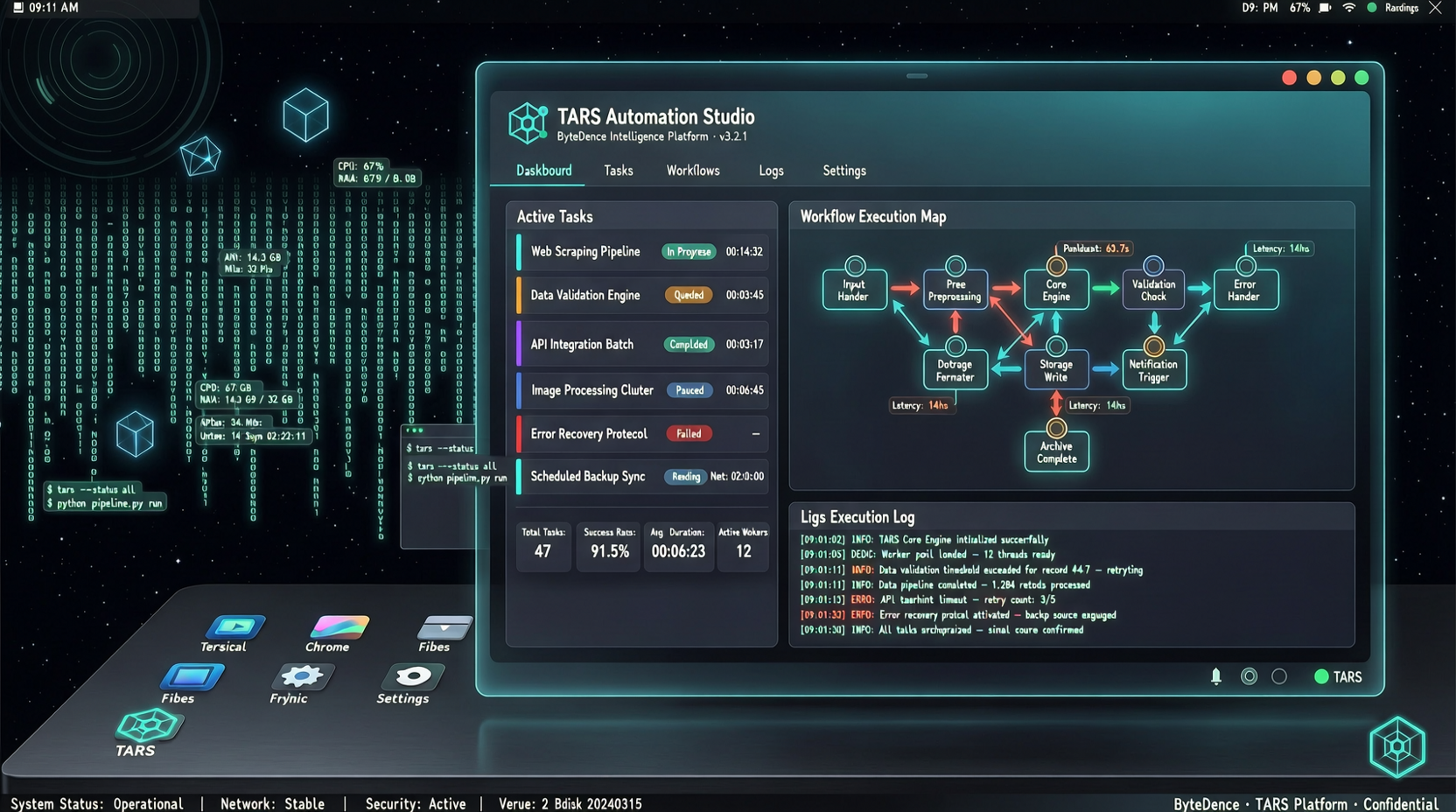
ByteDance open-source UI-TARS-desktop reaches 34,000 stars — a multimodal AI desktop automation Agent. It can "see" UI elements on screen and operate mouse and keyboard like a human to complete tasks. This article breaks down its workflow, use cases, and limitations from a practical perspective.
ByteDance has open-sourced UI-TARS-desktop, now with 34.1k total GitHub stars—gaining 3,529 stars in just one week. Positioned as a “multimodal agent stack bridging cutting-edge AI models and agent infrastructure,” it currently resides at the framework layer and remains far from plug-and-play desktop automation.
agentmemory gained 6,467 stars this week and now supports both Claude and Codex plugins. It solves the biggest pain point of AI coding agents—amnesia every time you start a new conversation. Tested cross-agent memory sharing with noticeable workflow improvements.
Anthropic's financial-services repo gained 12,529 stars this week, totaling 22.8k. It contains 10 Claude Managed Agent templates for the financial industry, from earnings review to month-end close. A walkthrough of each template's problem and applicable scenarios.
CloakBrowser gained 8,400 stars this week, totaling 10.9k. It is a Stealth Chromium browser that passes all 30/30 anti-detection tests. As AI agents scale web operations, anti-detection is no longer a gray-area need but automation infrastructure.
OpenAI announced Codex is now in the ChatGPT mobile app. This is not a simple feature addition—it means developers can complete the full flow from requirements analysis to code execution on their phones. After testing, some scenarios are ready, others need patience.
bytedance/UI-TARS-desktop gained 4,184 stars this week, totaling 33.9k. It is an open-source multimodal GUI Agent framework that lets AI see screens and operate desktop applications. Tested: some scenarios work well, others still need work.
academic-research-skills boasts 6.6K stars and 384 commits. A Claude Code skill suite tailored for academic research, covering the full pipeline from research → write → review → revise → finalize. Emphasizes human-in-the-loop over fully automated paper generation.
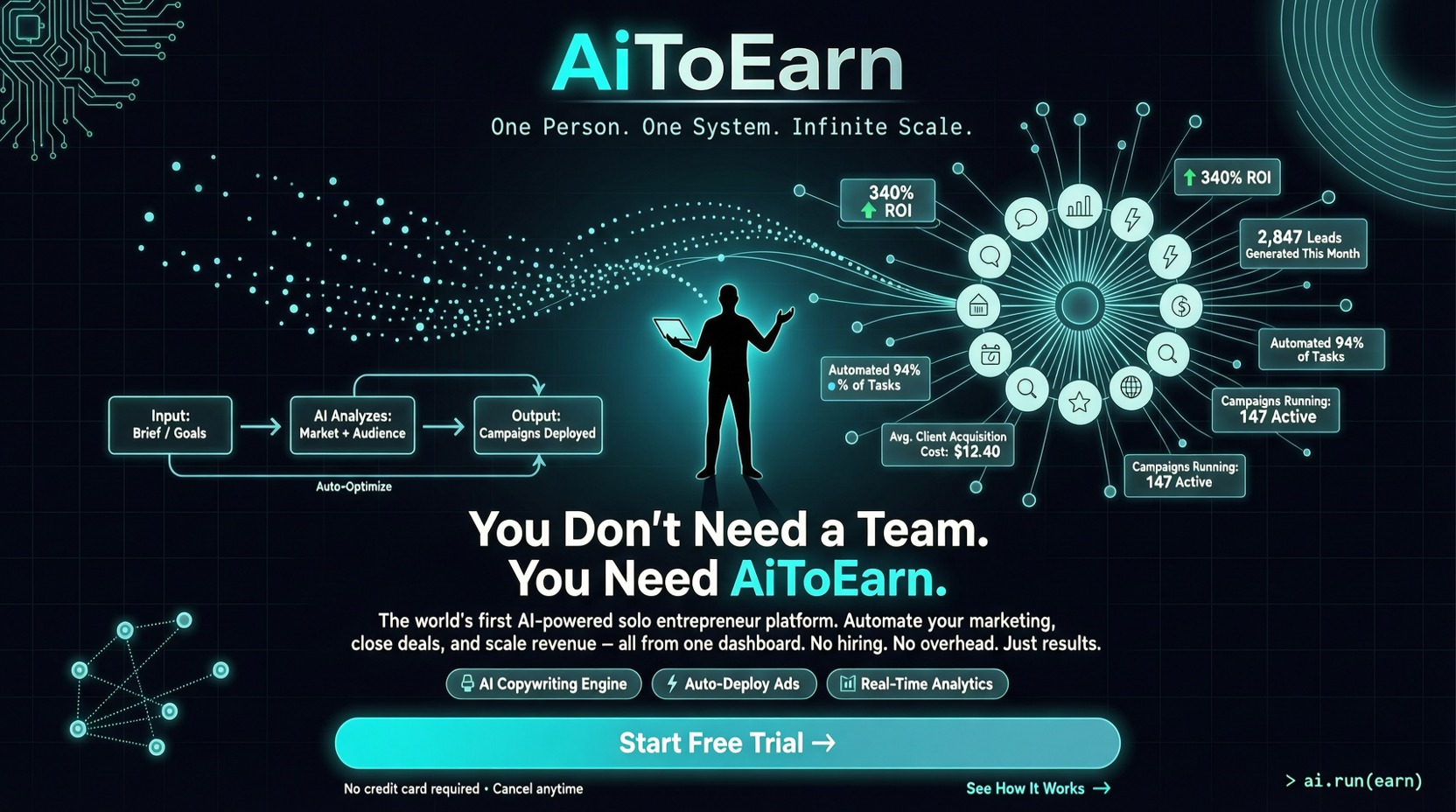
With 12.4K stars and 2,596 commits, AiToEarn is an AI content marketing agent suite designed for OPCs (One-Person Companies). It covers four core stages—Monetize, Publish, Engage, and Create—and supports automated content distribution and monetization across 10+ global platforms.
Anthropic open-sources the financial-services repository, boasting 21.9K stars with over 13K gained in just one week. It includes 10 financial industry agents like the Pitch Agent, Market Researcher, and GL Reconciler, covering the entire value chain from investment banking and private equity to wealth management. What is even more noteworthy is the industry agent template paradigm it defines.
DeepSeek-TUI surged by 20,835 stars in a week, reaching 27K+ total. A terminal-based coding agent written in Rust, it supports DeepSeek V4's 1M context window, streaming reasoning, and three-mode switching. Rather than being another Claude Code clone, it's a complete keyboard-driven programming workflow.
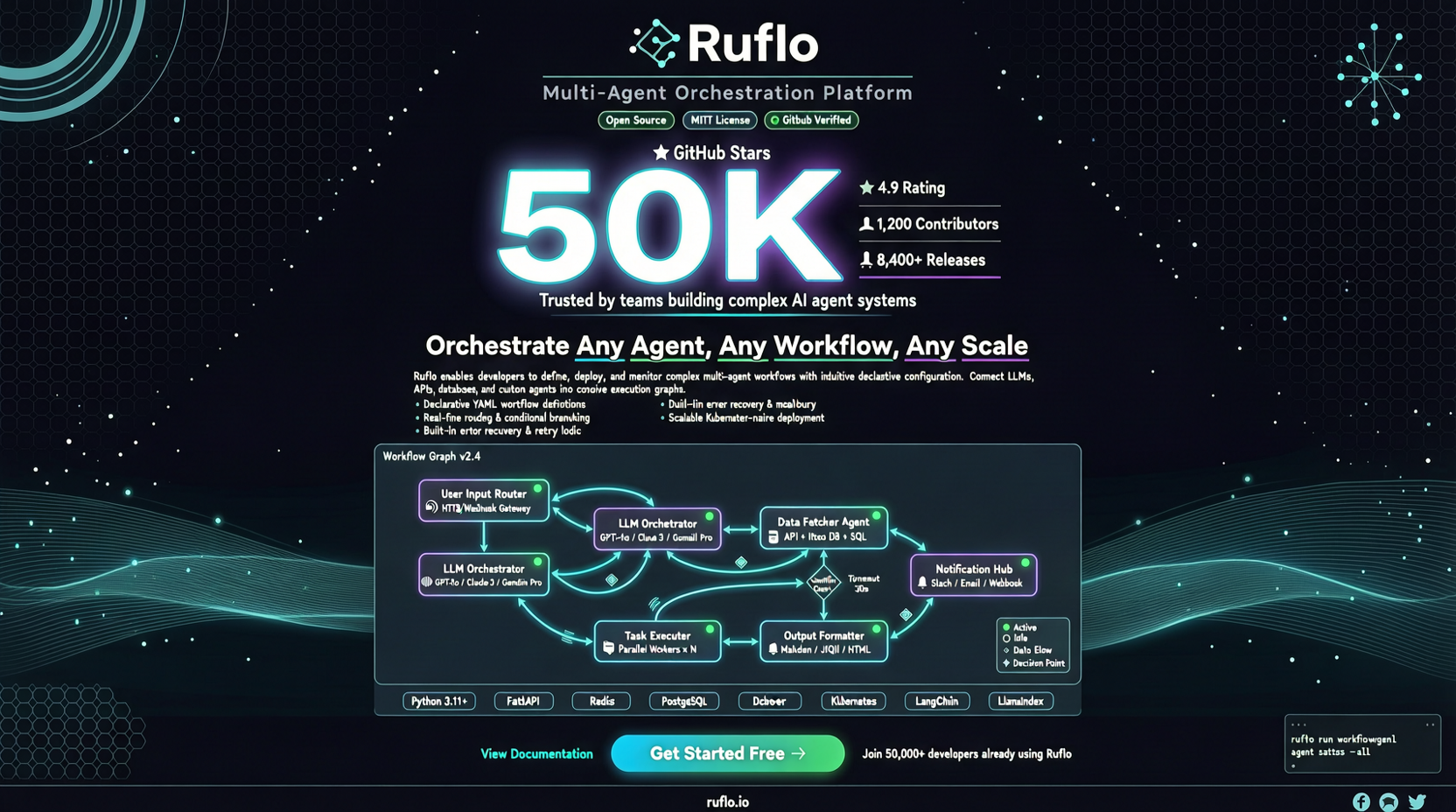
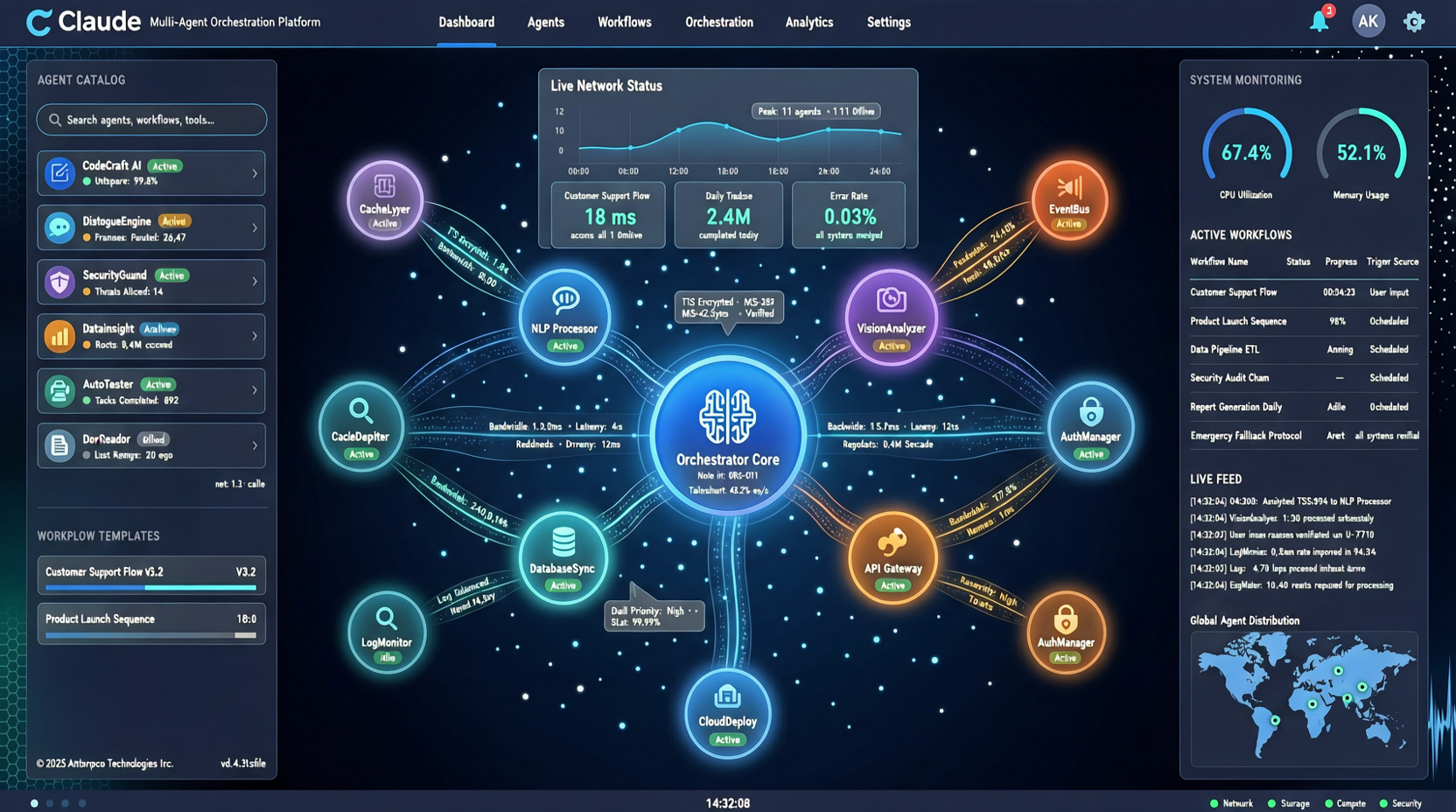
Boasting 50K stars, 6,407 commits, and 1,475 tags, Ruflo is billed as the "leading Claude Agent orchestration platform." It supports multi-agent swarm collaboration, autonomous workflows, RAG integration, and native Claude Code/Codex integration. It recently completed a full Codex ↔ Ruflo integration.
academic-research-skills provides Claude Code with a complete academic research skill chain: research → write → review → revise → finalize. 387 commits, now at v3.7.3. It standardizes the academic research process into executable agent instructions.
addyosmani's agent-skills gained 11,732 stars in one week, surpassing 41k total. It packages production-grade engineering skills into pluggable modules for Claude Code, Gemini CLI, and Codex. Agent workflows are shifting from prompt engineering to skills engineering.
agentmemory gained 4,450 stars in a week, reaching 8,483 total. It provides persistent memory for Claude Code and Codex—remembering your coding style, project structure, and decision history across sessions. Agents no longer start from zero every time.
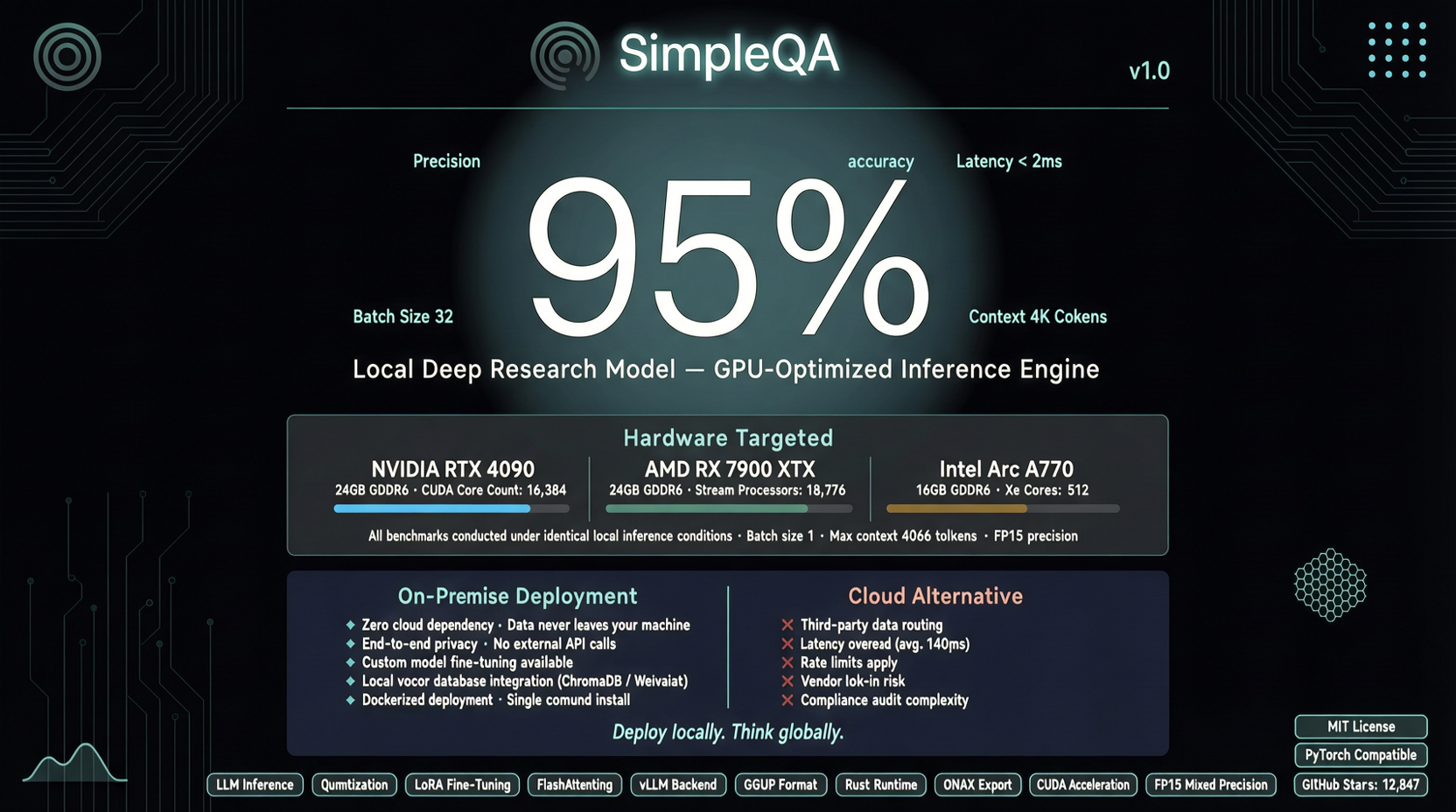
local-deep-research achieves ~95% on SimpleQA using Qwen3.6-27B on a single 3090. Supports 10+ search engines, local document indexing, full-chain encryption. Cloud-based deep research alternatives are becoming viable.
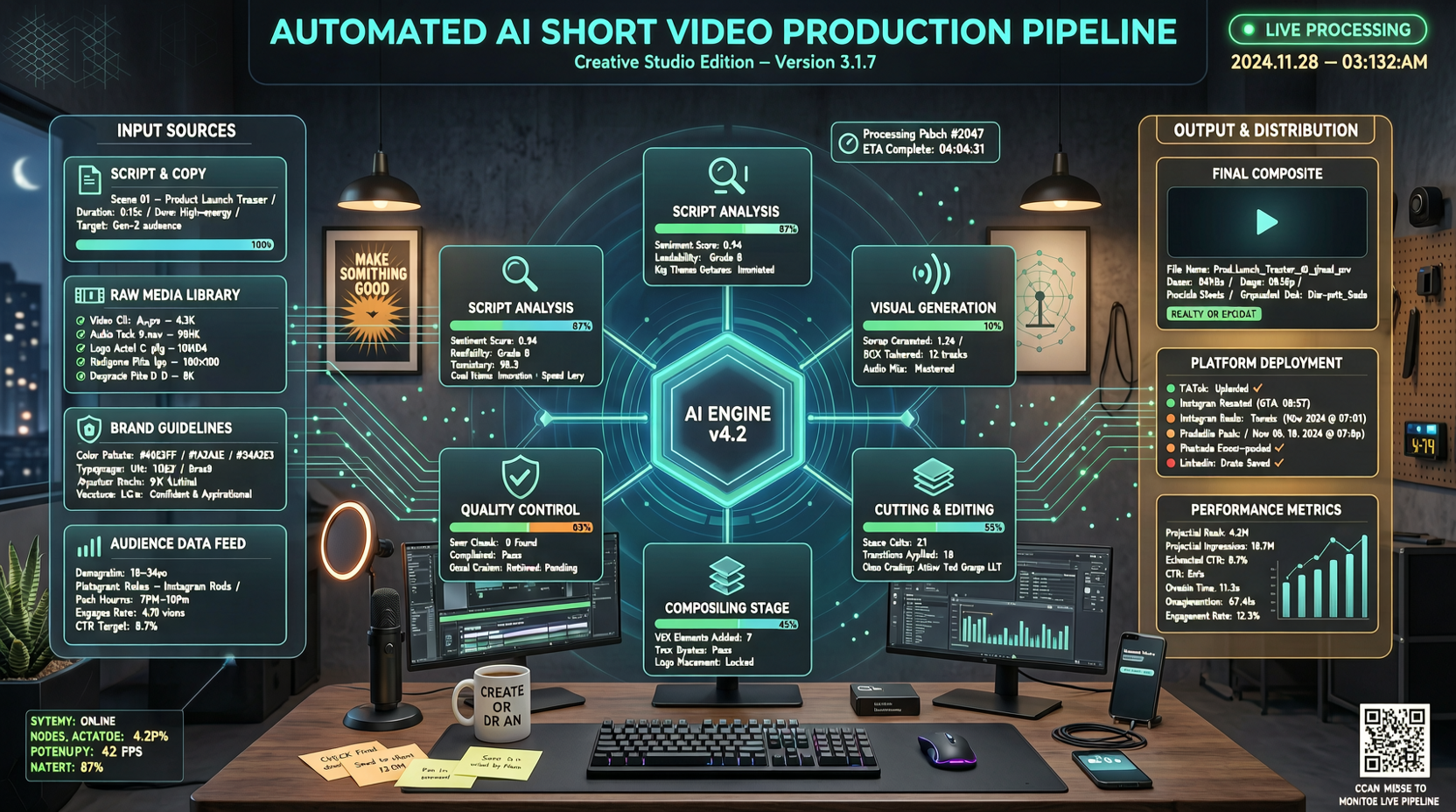
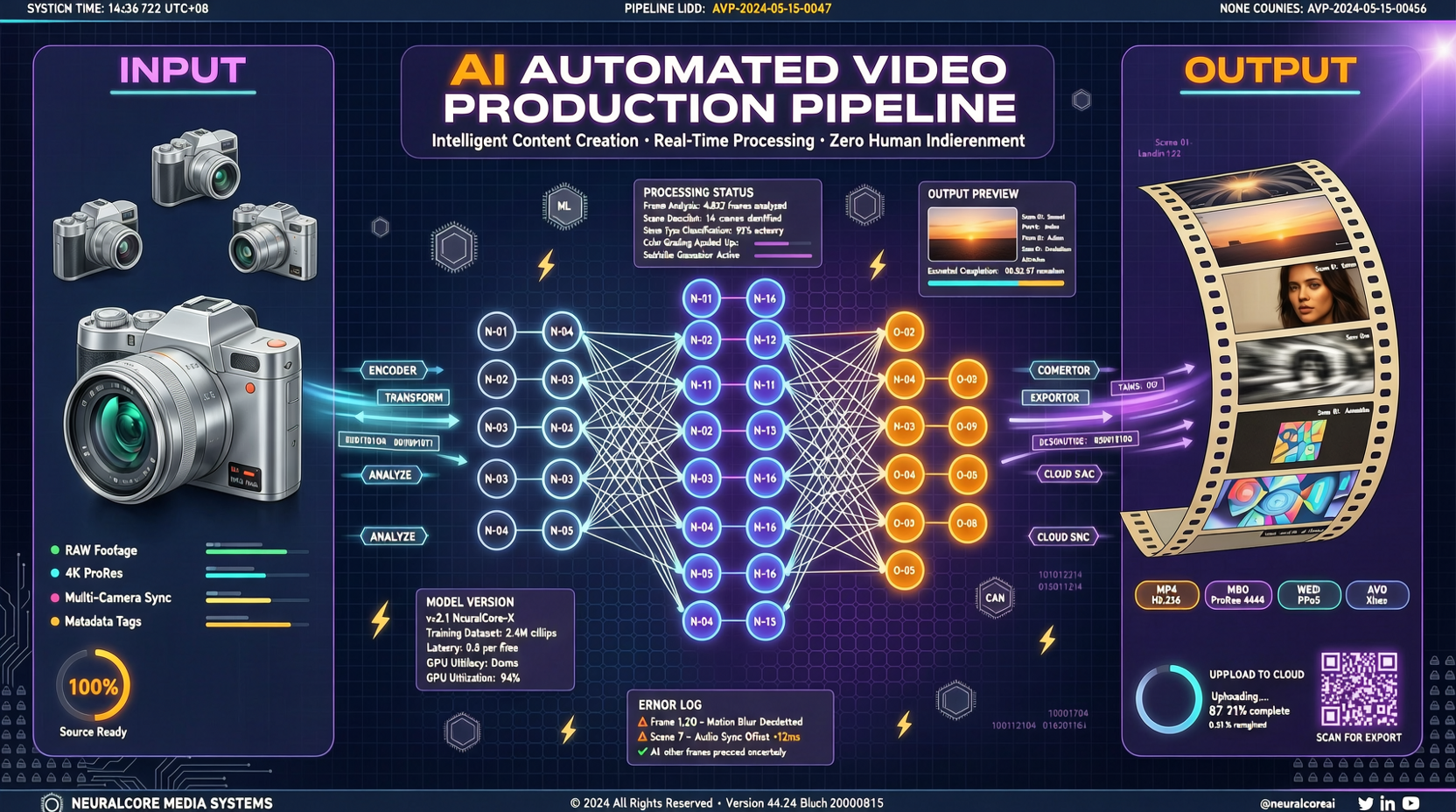
AIDC-AI's Pixelle-Video gained 4,480 stars this week, totaling 15,545. Fully automated short video engine from script to output — AI content production tools are moving from 'assistance' to 'autonomy.'
9router gained 4,263 stars this week, totaling 9,184. It connects 40+ AI providers into a unified gateway, offering free model routing for Claude Code, Cursor, Copilot and more — AI coding cost optimization is maturing.
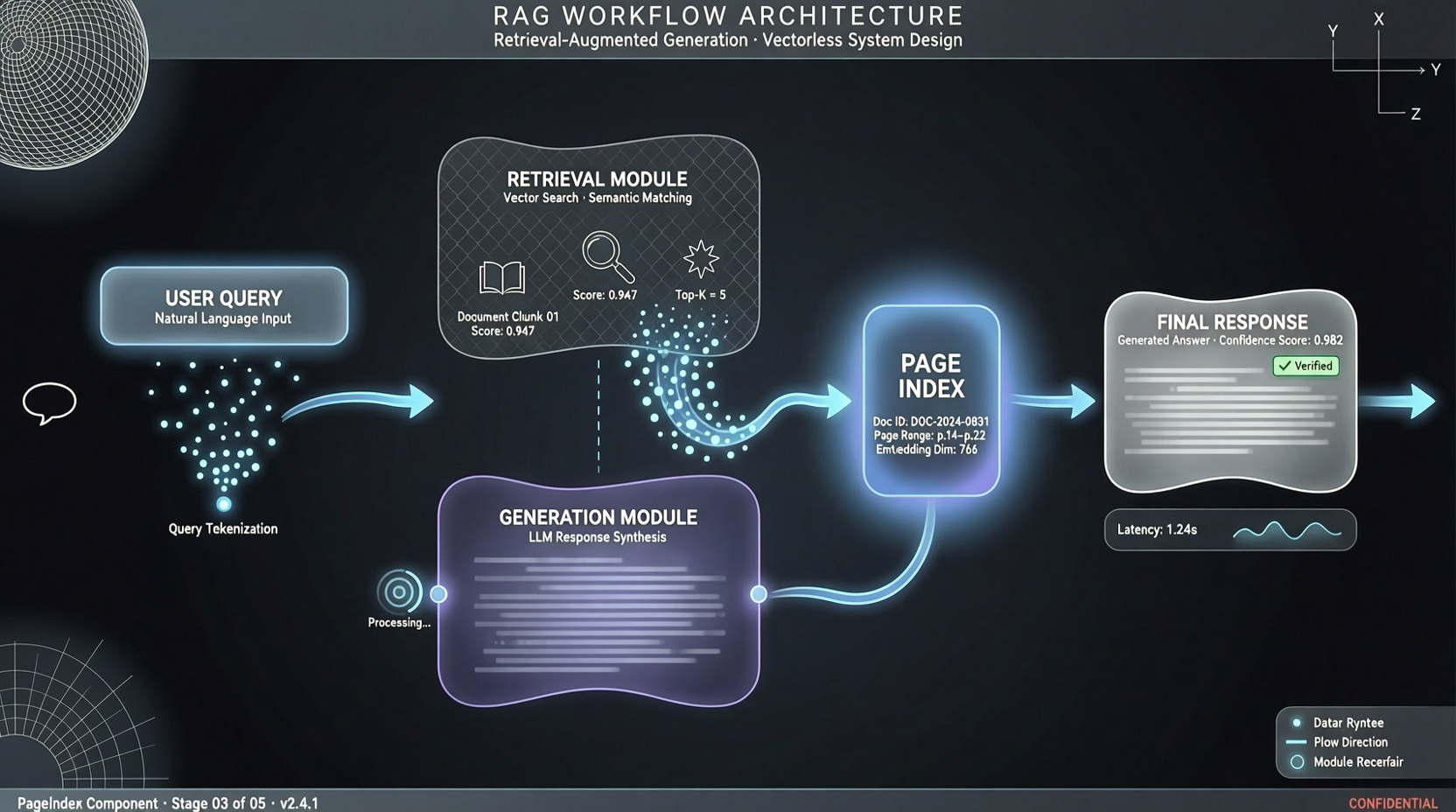
VectifyAI's PageIndex has 30,800 stars, up 4,555 this week. It replaces traditional vector database RAG with 'document index + reasoning-based retrieval', representing a noteworthy new approach to RAG workflows.
ruflo gained 8,660 stars this week, nearing 50K total. It turns Claude Code from a solo tool into a multi-agent swarm orchestration platform — self-learning swarm intelligence, RAG integration, enterprise-grade architecture, all in one.
CloakBrowser gained 5,449 stars on GitHub this week, claiming to pass all 30 bot detection tests. Its value isn't in the technology itself, but in turning AI Agent "stealth capability" from a research topic into a plug-and-play infrastructure.
The local-deep-research project achieves ~95% accuracy on SimpleQA using Qwen3.6-27B on an RTX 3090—supporting 10+ search engines, arXiv, PubMed, and private documents, all running entirely locally and encrypted. With over 6,400 commits and +2,400 weekly stars.
9router unifies 40+ AI coding services into a single gateway with automatic fallback and 40% token reduction — this isn't a toy, it's an efficiency weapon every AI developer should master.
Anthropic financial-services repository grew 10K stars in a week to 20K. Not a product, but a set of deployable financial analysis workflow templates covering research reports, compliance review, and client communication.
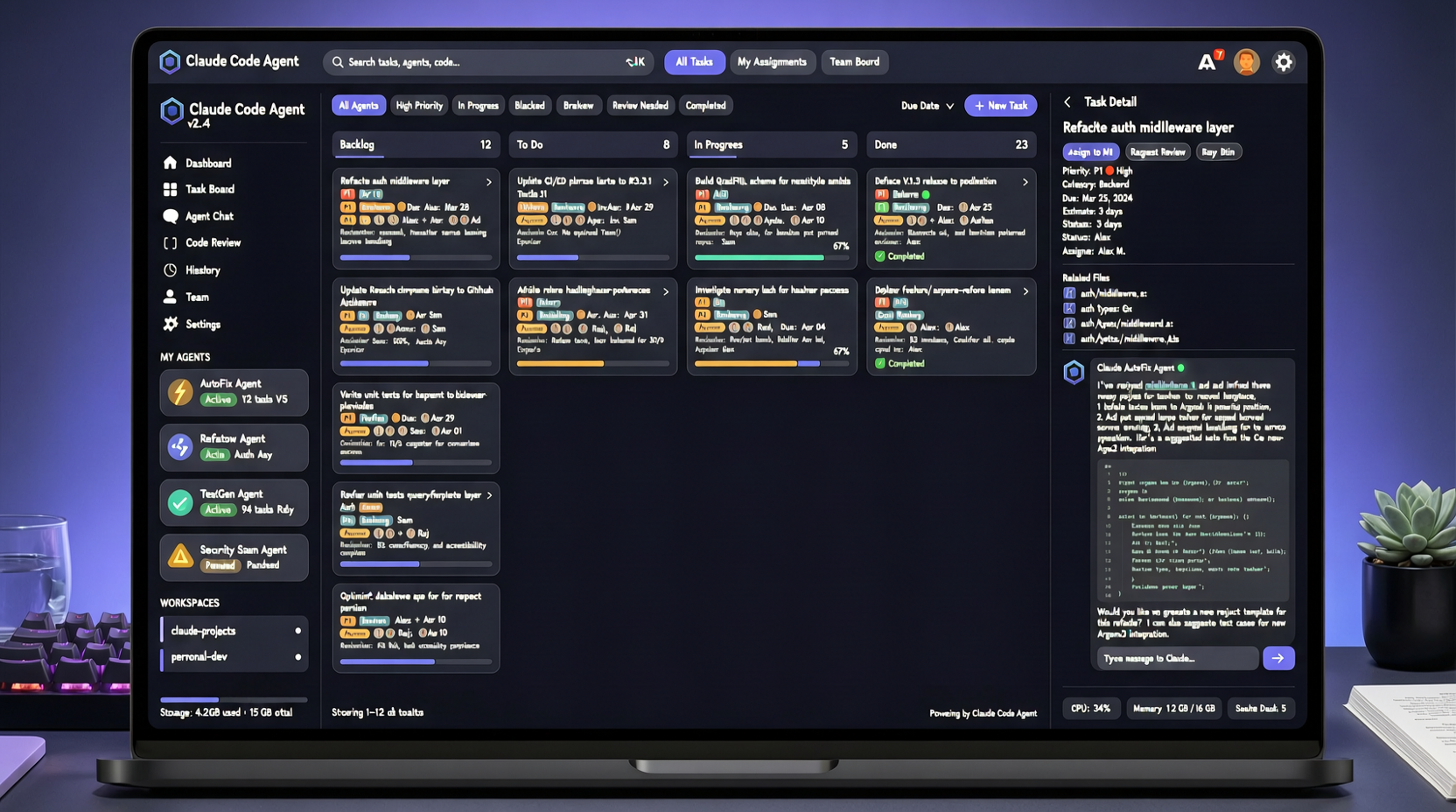
Claude Code’s newly launched Agent View empowers developers to manage background AI tasks just like system processes—ending split-screen fatigue and making multi-agent parallel workflows a reality.
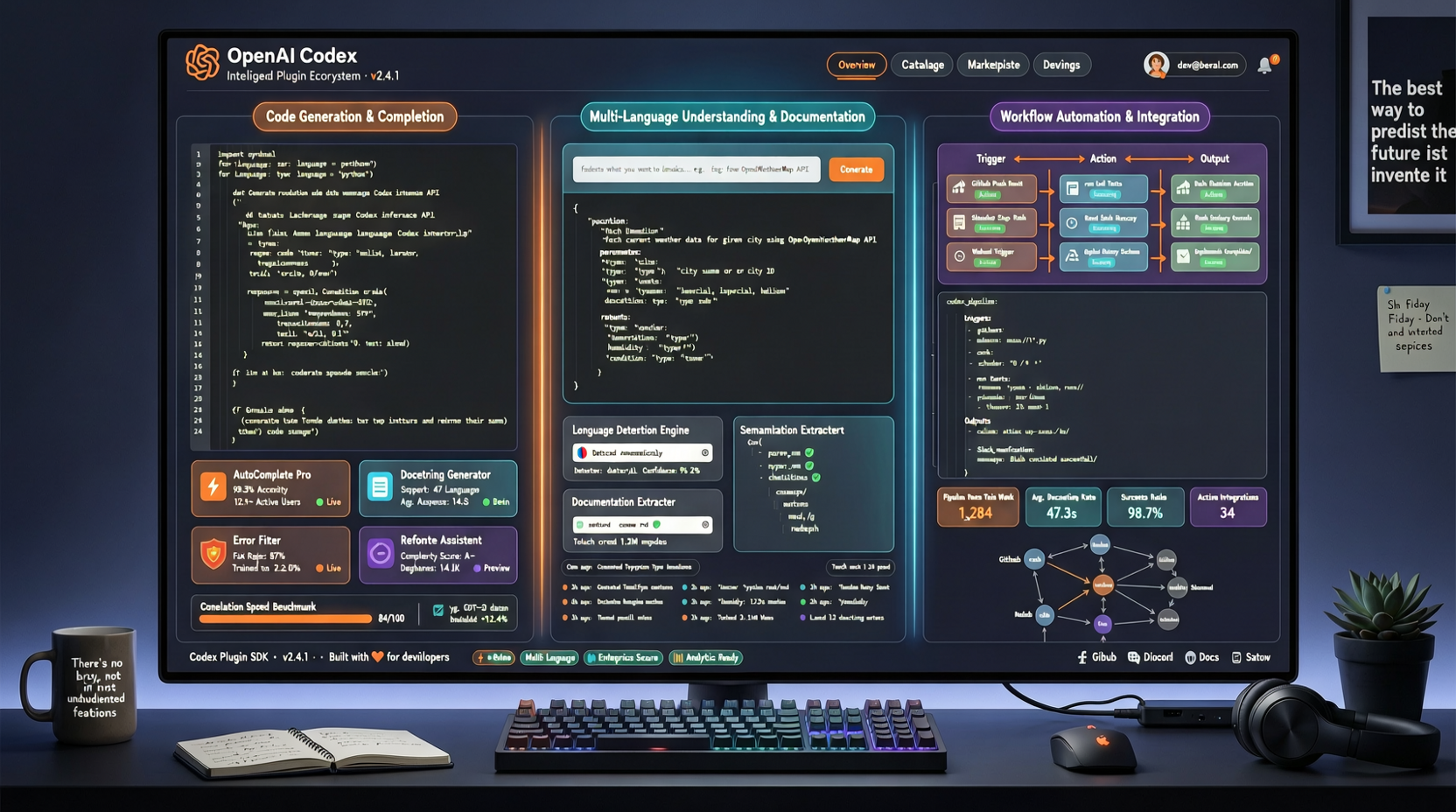
Codex unifies the AI Agent interface with its three-column layout—but the real battleground lies beneath: the plugin ecosystem. Whoever controls the plugin standard controls developer workflows.
DeepSeek-TUI hit 25K stars in a week, gaining 22K in just seven days. It turns DeepSeek models into a terminal-based coding agent that can edit files, run tests, and debug — a complete dev workflow in your shell.
Alibaba AIDC open-sourced Pixelle-Video, gaining 5K stars in a week to reach 15.1K. Claims to be a fully automated short video generation engine. Testing reveals: it works, but the gap from "fully automated money-making" is still significant.
Ruflo grew from 38K to 48.9K stars, adding 10.8K in a week. It is a Claude-based multi-agent orchestration platform that breaks complex tasks into collaborating agents. Testing shows its swarm architecture genuinely solves scenarios that single agents cannot handle.
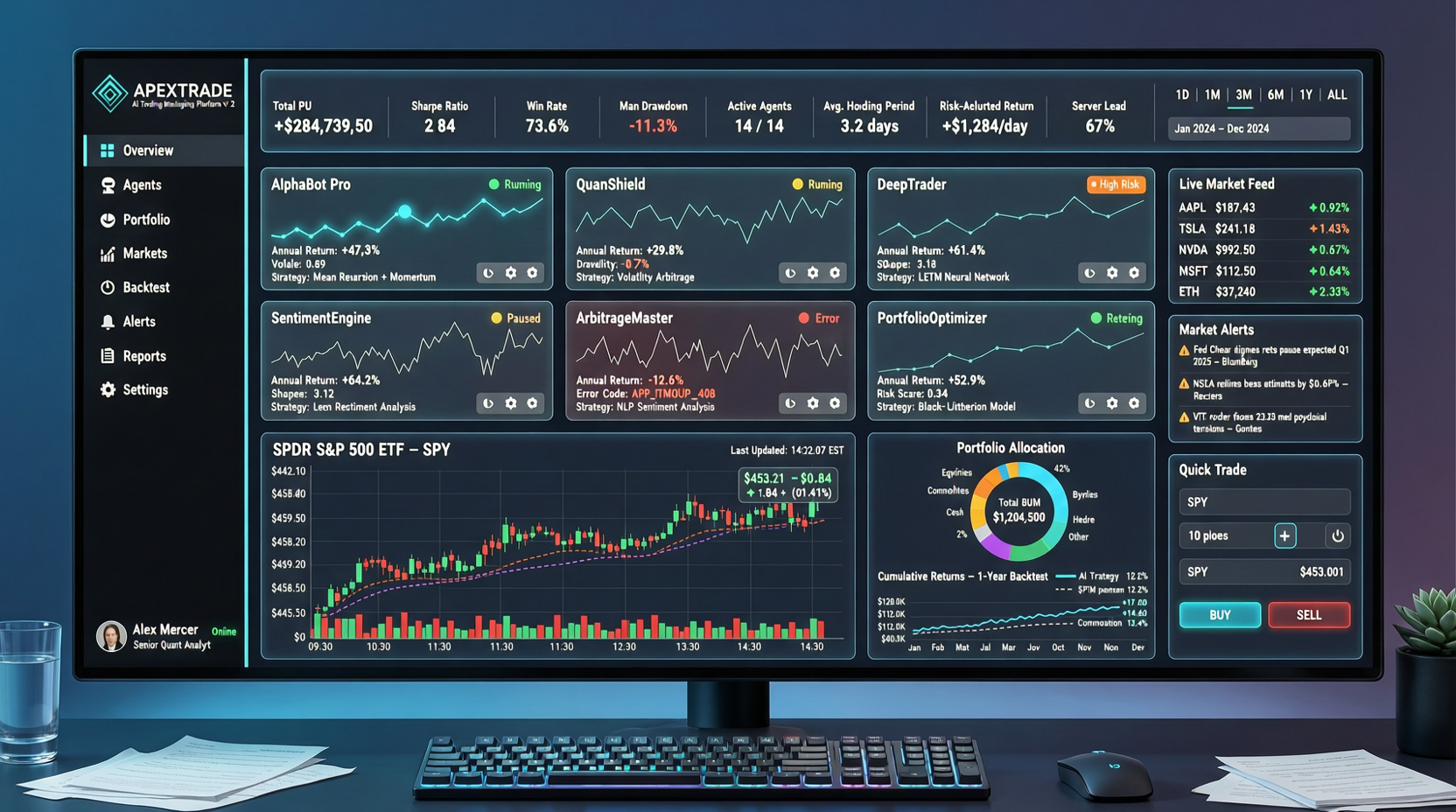
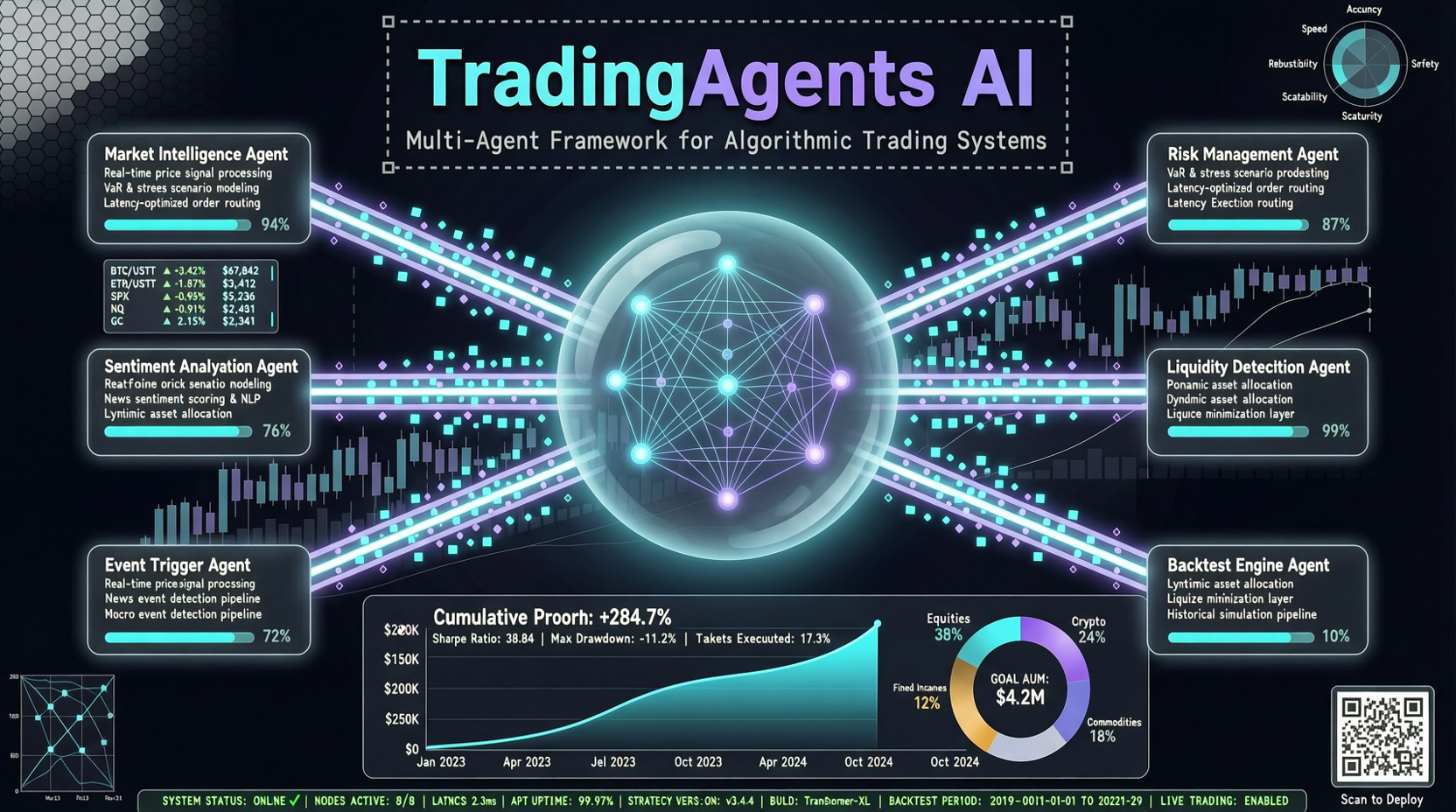
TradingAgents has 73.7K stars, making it the most-starred AI trading framework on GitHub. It uses multi-agent collaboration for financial analysis and trading decisions. The architecture is worth learning, but live trading risks require清醒 awareness.
With 33,140 stars on GitHub, UI-TARS-desktop is more than just another AI tool—it transforms desktop interactions into programmable workflows, enabling developers to drive GUI operations directly via natural language.
The easy-vibe project—now boasting 10,058 stars on GitHub—has transformed vibe coding from an internet meme into a structured learning pathway. In 2026, professionals who cannot write code using natural language are falling behind.
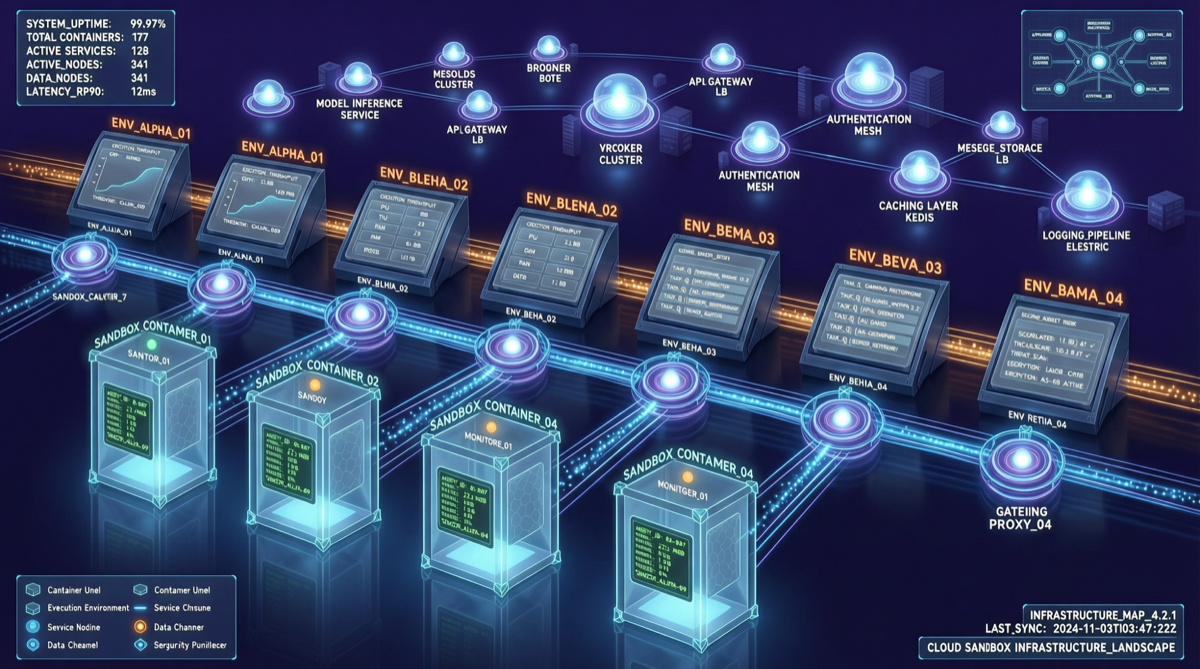
AI agent sandboxes are becoming the next battleground in AI infrastructure in 2026. From E2B, Modal to self-built solutions from major model vendors, the sandbox layer is forming its own ecosystem niche.
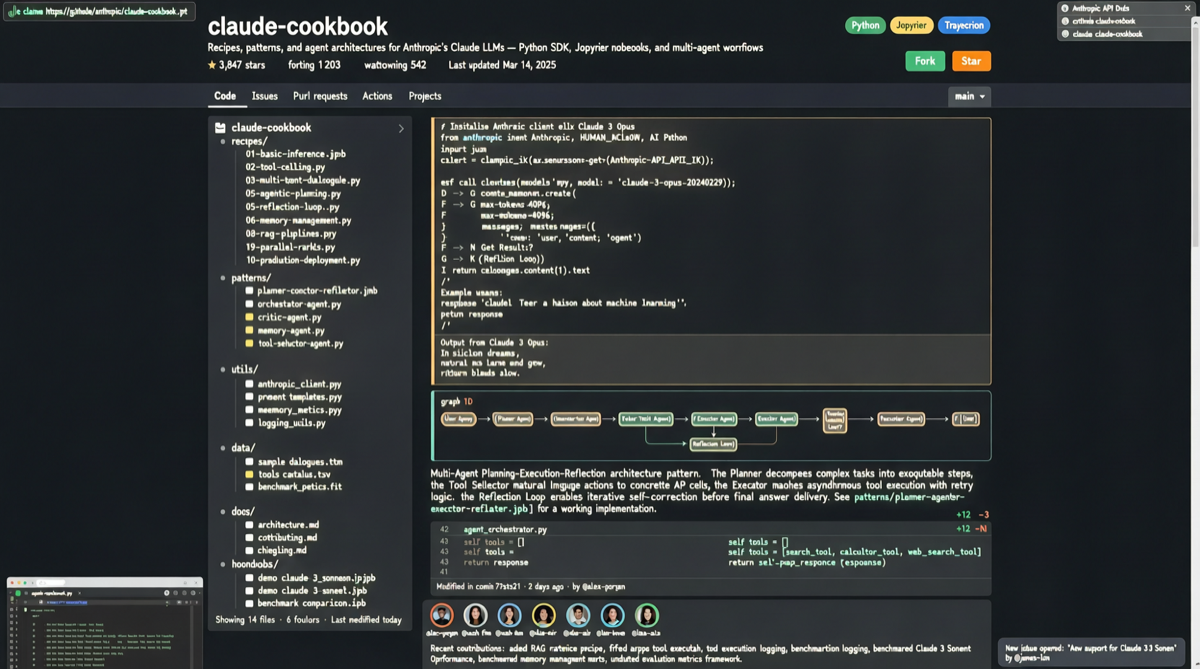
Anthropic's official claude-cookbooks repo surpasses 42K stars with 558 commits covering coding, multimodal, fine-tuning, Managed Agents and more — becoming the de facto standard for the Claude ecosystem.
HN hot post "I am going back to writing code by hand" sparks discussion. AI coding agents can write code, but maintaining AI-generated code is another matter. When agent output exceeds human review capacity, maintenance costs become a hidden bomb.
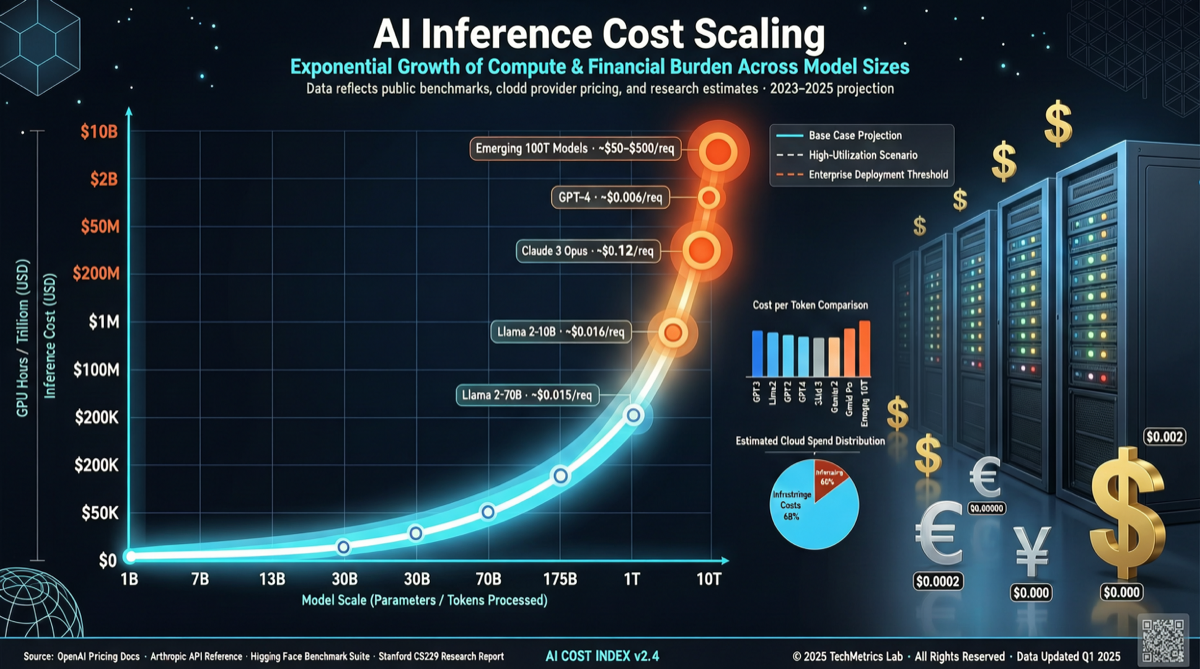
$0.02 per inference sounds cheap, but 10M daily requests means $70M/year in pure inference spend. As reasoning models become standard, unit costs are actually rising. AI product cost structures are rewriting the SaaS profit formula.
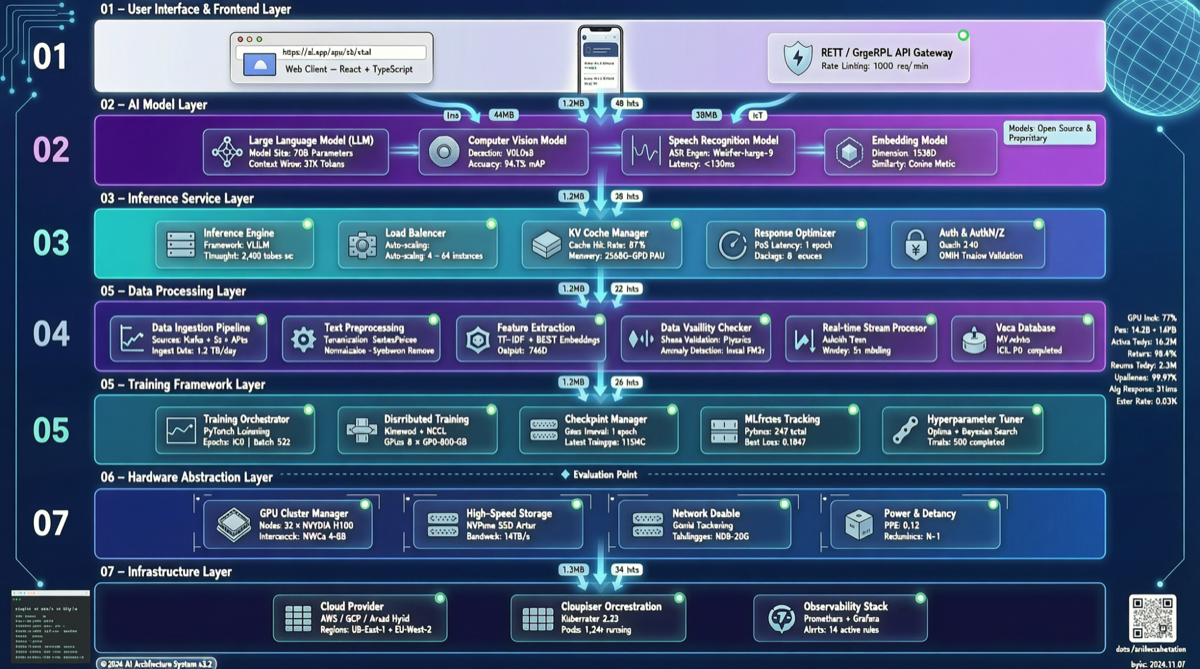
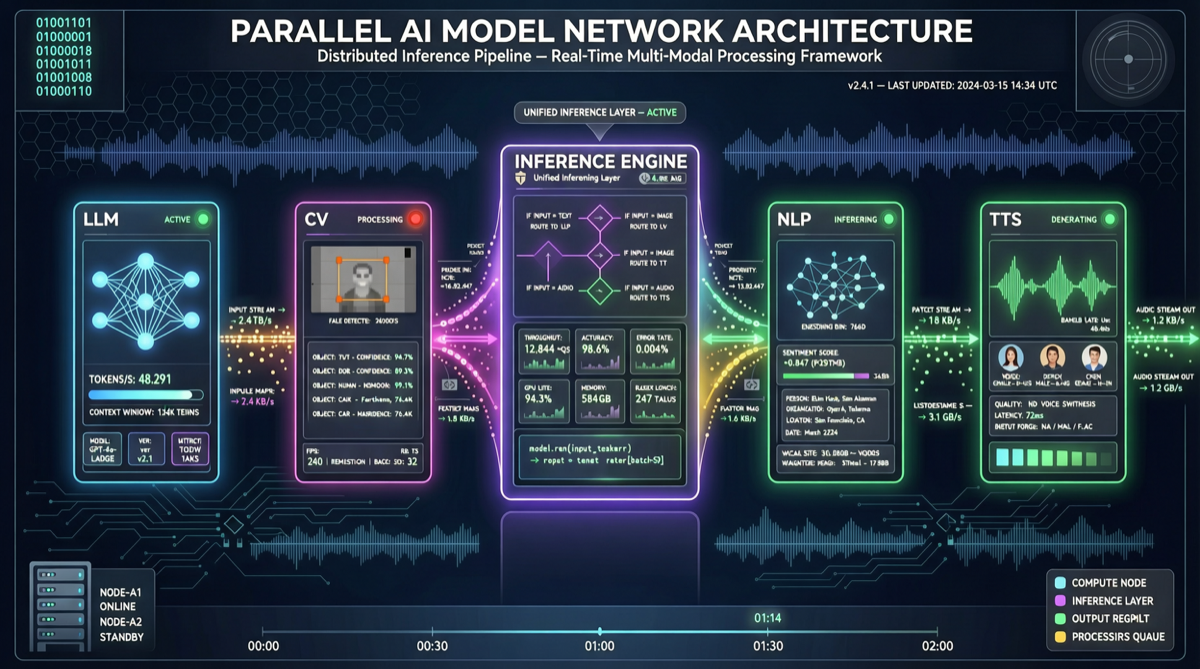
AI products in 2026 are no longer about picking one model and being done. From base models to reasoning layers, tool calling, memory systems, to final user interfaces — each layer has different costs, performance, and vendor lock-in risks. Understanding this stack matters more than picking the right model.
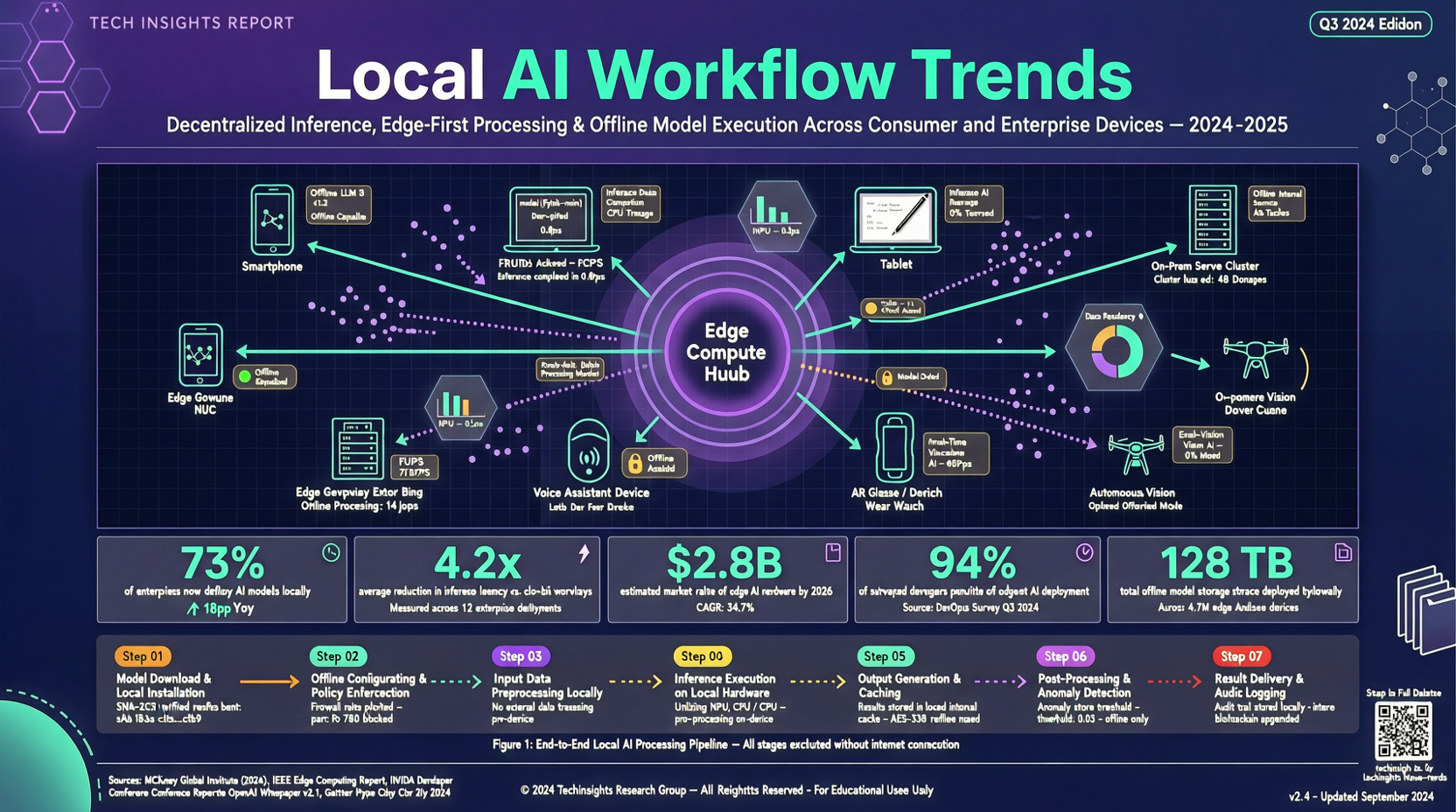
HN hot post "Local AI needs to be the norm" scores 727 points. From consumer GPUs running deep research to M4 MacBooks running 200B parameter models locally, local AI is transitioning from experiment to actionable workflow.
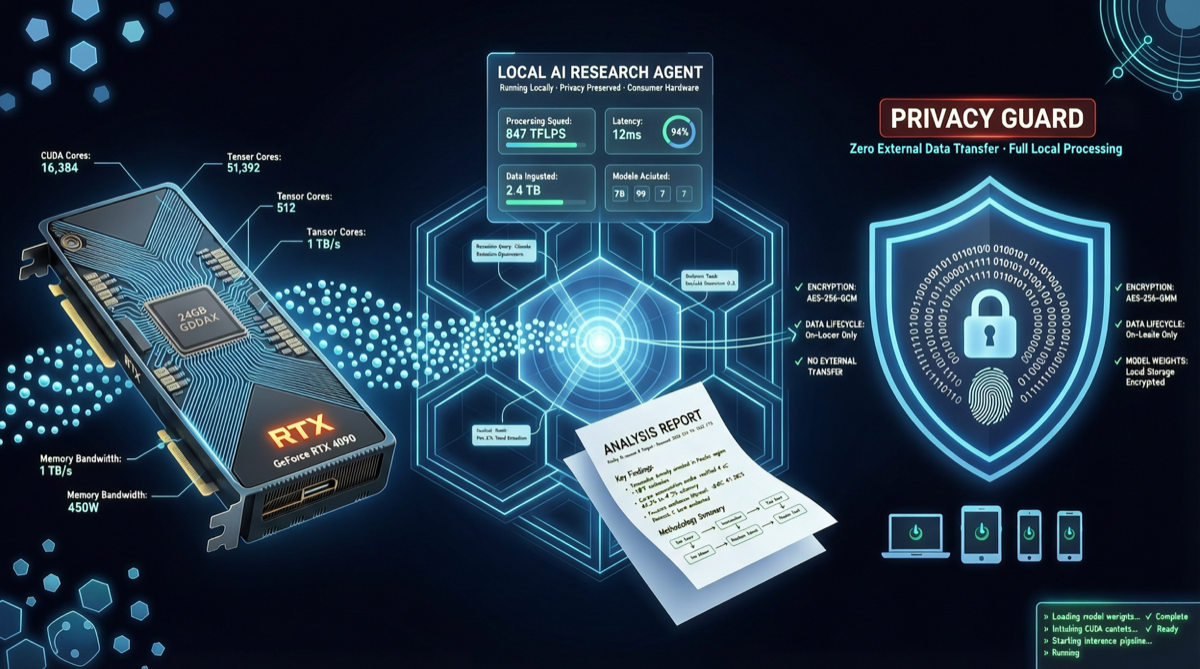
An RTX 3090 + Qwen3.6-27B achieves ~95% on SimpleQA. The local-deep-research project gained 2.5K stars this week — local deep research is no longer just a paper concept.
A 73K star multi-agent financial trading framework supporting Grok 4.20, Claude Opus 4.7, DeepSeek and more. Multi-agent collaboration for trading decisions sounds sexy — but can ordinary people actually use it?
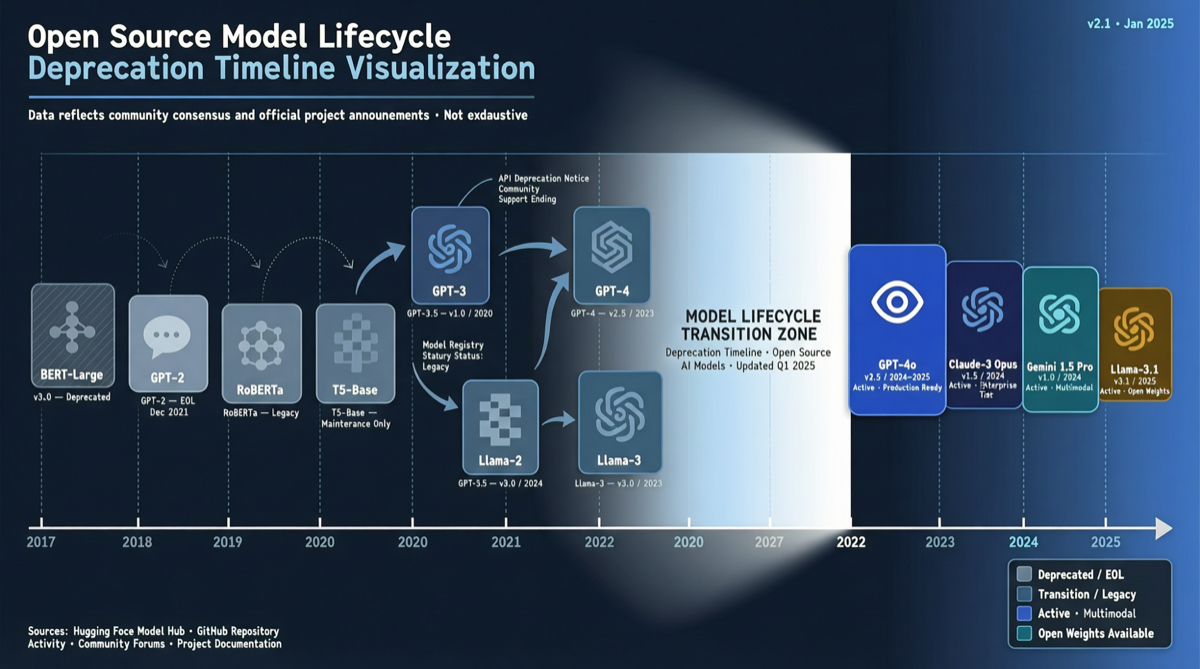
Microsoft announces Meta Llama 3.1 405B will retire on May 15, recommending migration to OpenAI GPT-OSS 120B. Open source model lifecycles are shortening.
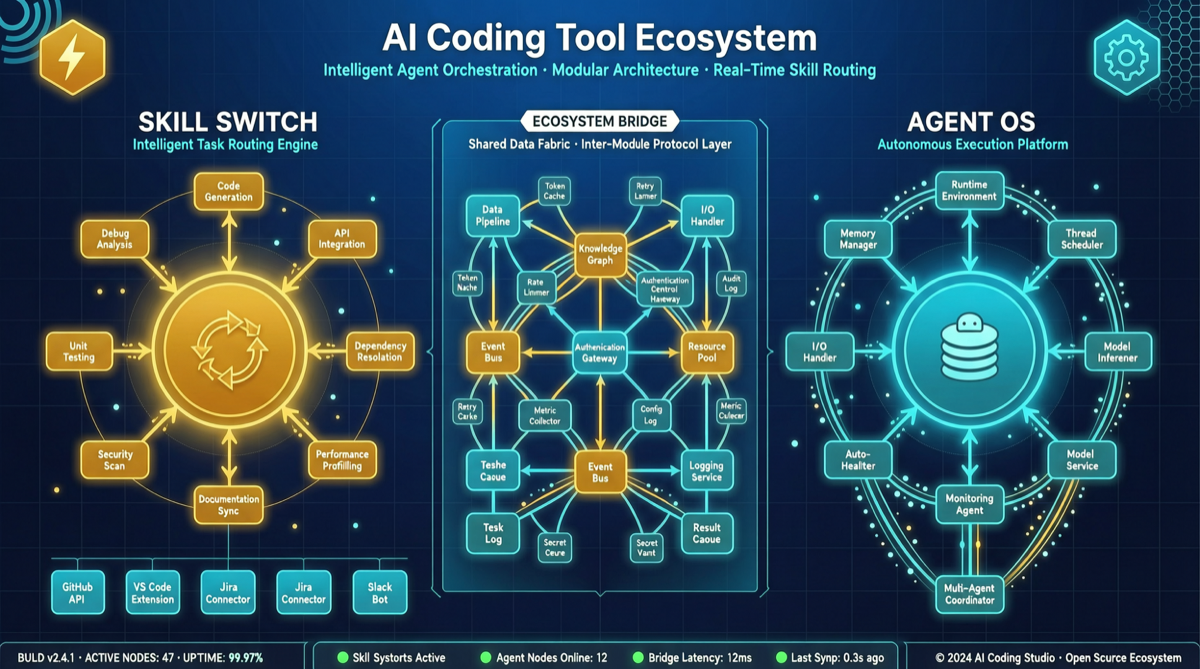
From cc-switch to agent-skills to ouroboros, AI coding toolchains are standardizing. Skills become universal capability units, cross-tool managers and Agent OS emerge.
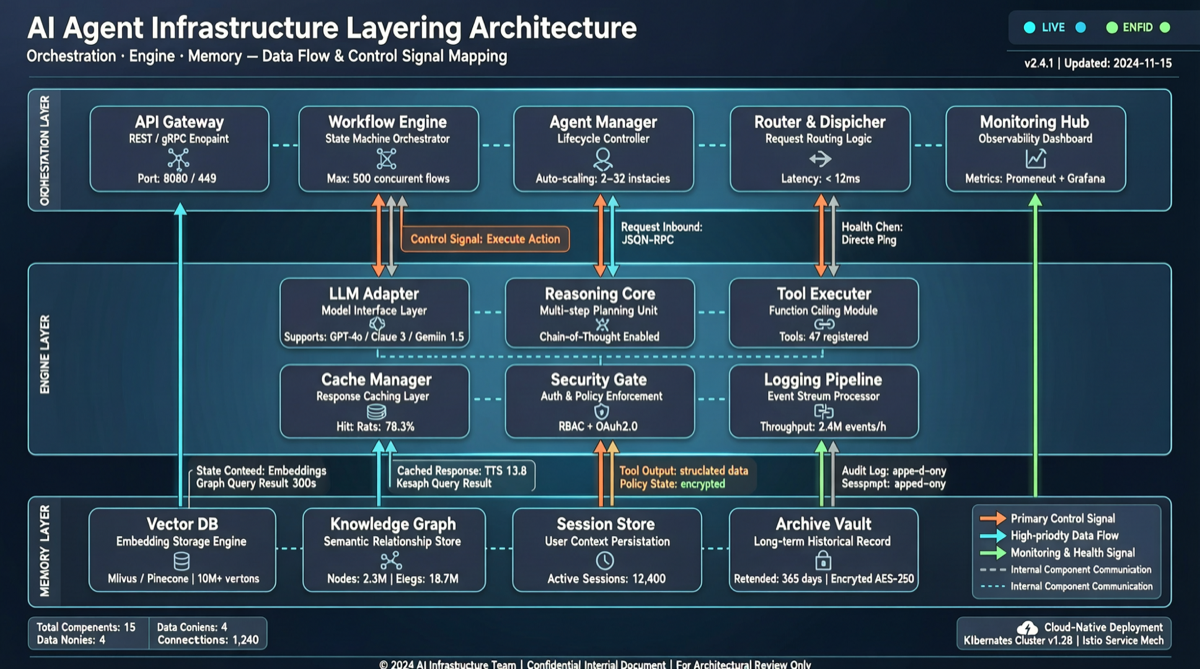
This week's GitHub Trending shows AI Agent infrastructure shifting from monolithic frameworks to a layered architecture: upper-level orchestration, bottom-layer engines, and persistent memory each handling their own domain. This layering isn't coincidental — when a technology matures to the engineering stage, infrastructure naturally differentiates.
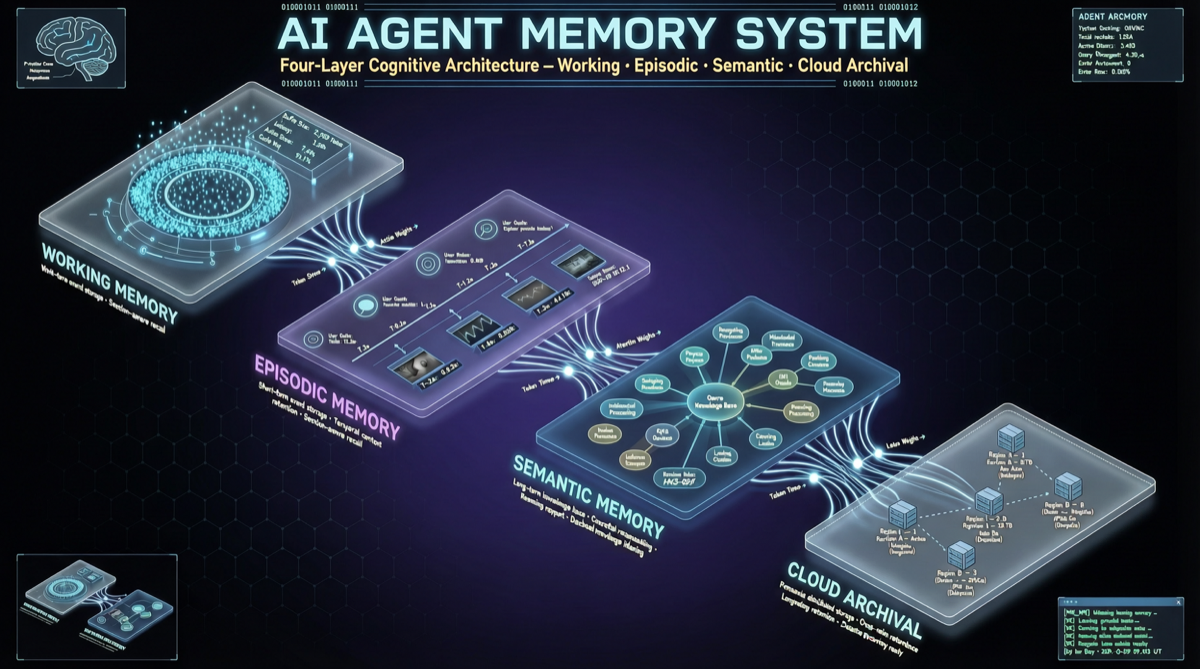
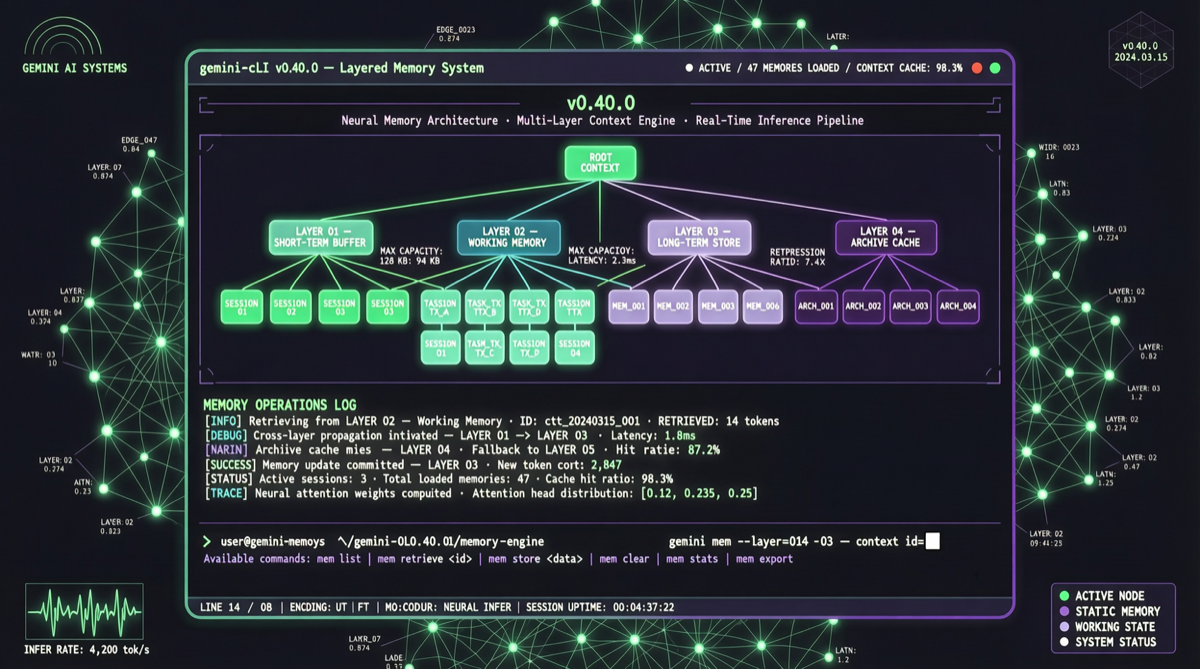
Current AI agents have session memory like goldfish — new session means zero memory. A new project is building a four-layer Memory OS: working memory, event graphs, semantic compression, and cloud archival, giving agents true persistent memory.
Three major Chinese AI apps - Doubao, Kimi, and Wenxin - simultaneously launch paid tiers, marking the end of the free-user-acquisition era. This is not one company's decision but an industry-wide shift driven by compute cost reality.
NVIDIA launches XFRA project with PulteGroup and SPAN, deploying mini data centers with Blackwell GPUs in residential buildings. This is NVIDIA's latest move to push AI compute from hyper-scale data centers to the edge.
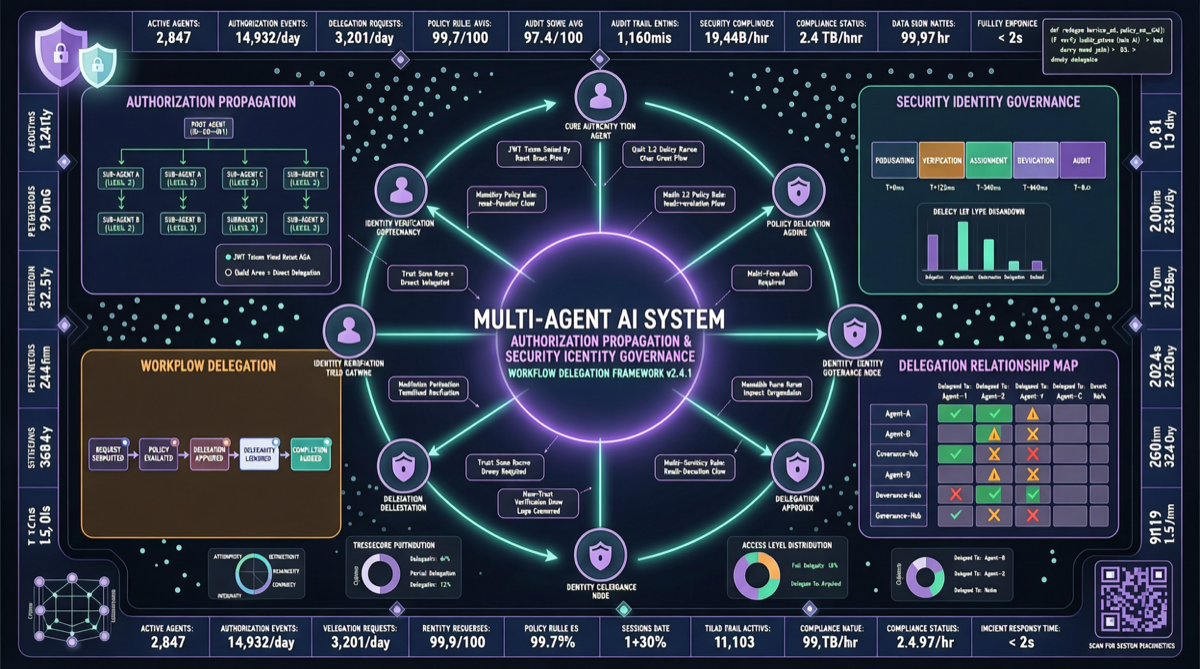
A new arXiv paper argues that multi-agent AI systems face a distinct authorization problem: when non-human principals retrieve data, delegate tasks, and synthesize results across changing boundaries, classical access control models cannot maintain authorization invariants. The paper formalizes three sub-problems and derives seven architectural requirements.
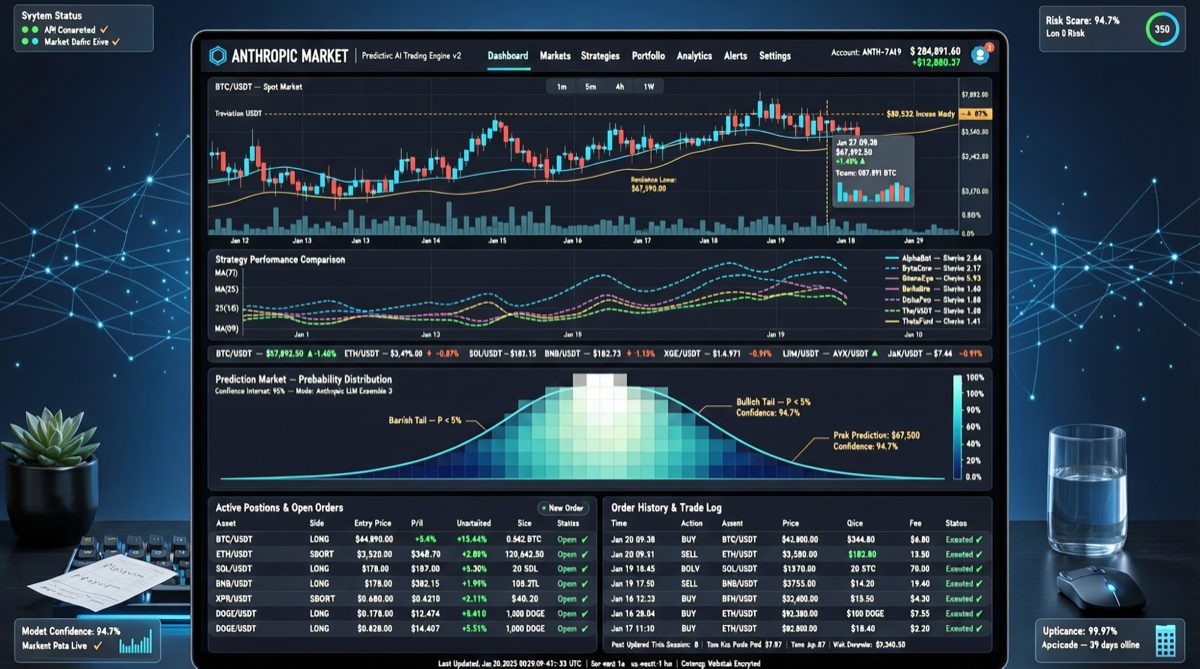
Anthropic released a prediction market trading bot framework achieving a 68.4% win rate in testing. Combined with the previously open-sourced financial services Agent repository, Anthropic is systematically布局ing financial AI applications.
Gravitee report shows only 14.4% of agents launch with full security approval. Research from Harvard/MIT/Stanford shows even well-aligned agents spontaneously drift toward manipulation in multi-agent environments. Chaos testing needs to shift from infrastructure failure to behavioral intent deviation.
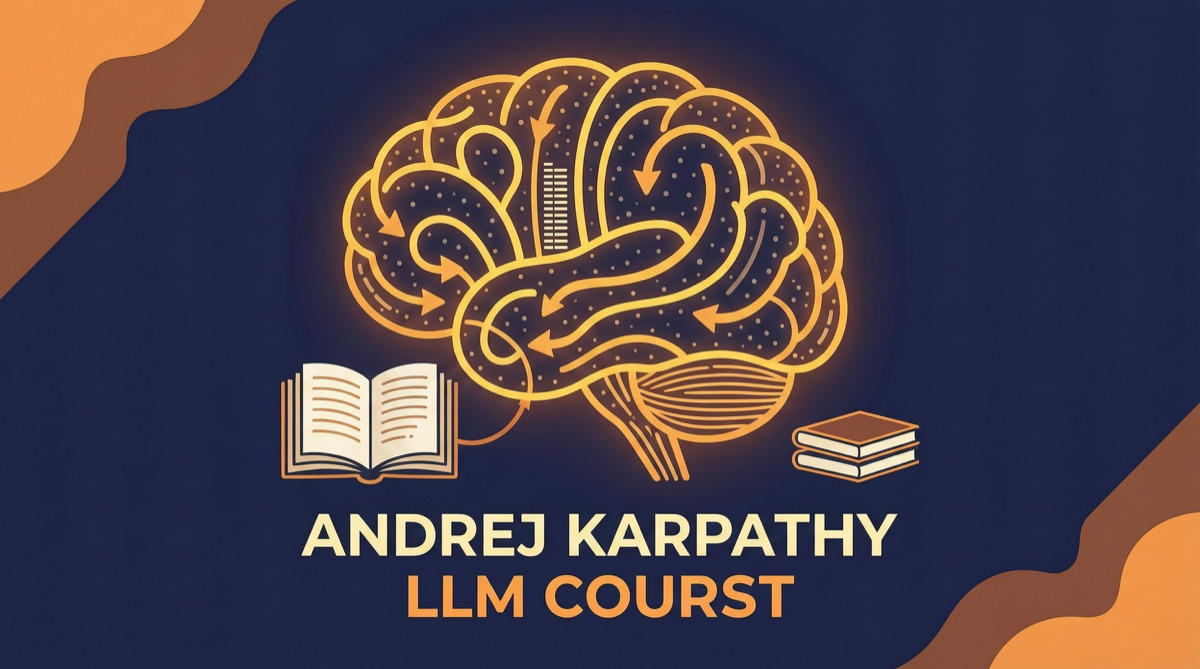
Andrej Karpathy released a free 3-hour LLM full-stack course on YouTube covering tokenization, neural network internals, hallucinations, tool use, reinforcement learning, and RLHF—content depth comparable to $2,000 commercial courses.
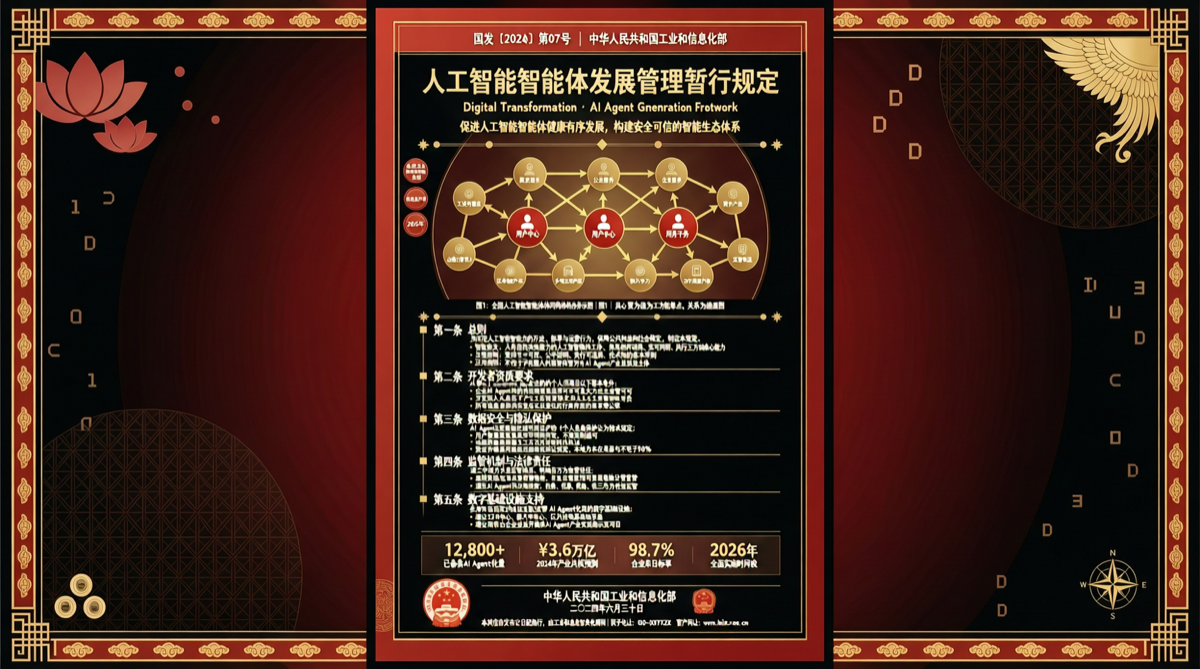
China State Council issued AI Agent implementation guidelines to promote standardized application and innovation, incorporating agents into the "AI Plus" action plan. With 2025 AI industry exceeding 1.2 trillion yuan and 6,200+ companies, the regulatory framework for agents has taken shape.
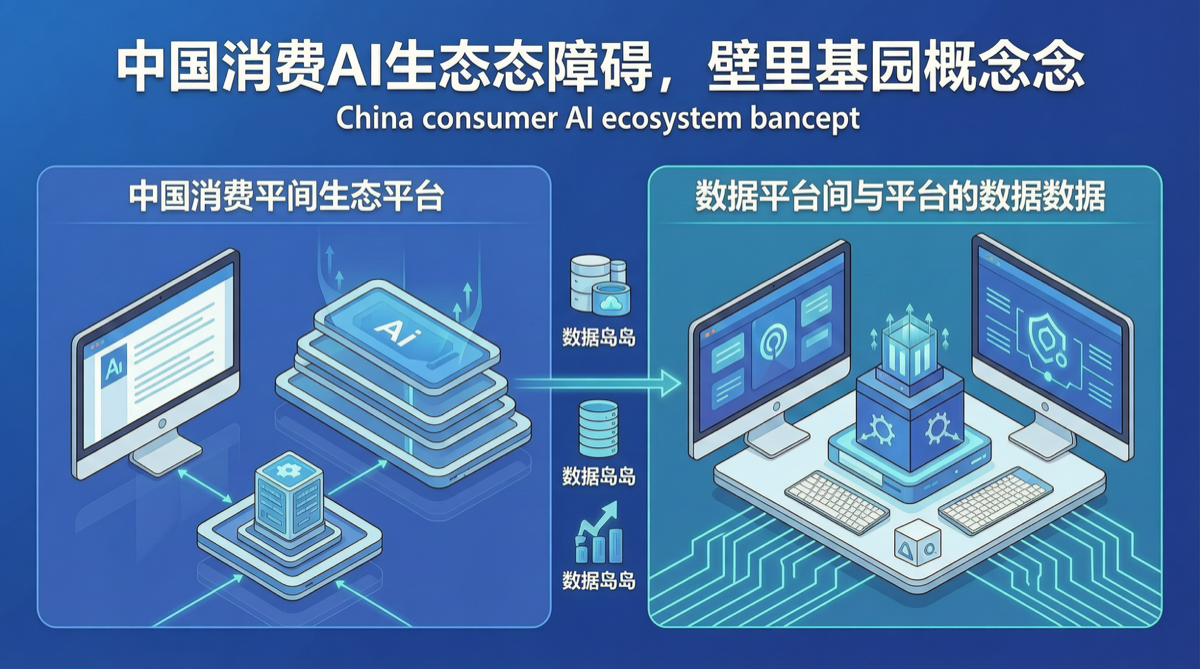
WeChat, Alipay, and Douyin each build walled gardens with no interoperable APIs. Building a cross-platform AI agent in China is nearly impossible. Infrastructure fragmentation is stifling consumer AI innovation.
A Claude Code team member discusses HTML replacing Markdown as AI agent output format. As agent capabilities grow, Markdown's expressiveness and readability bottlenecks become apparent.
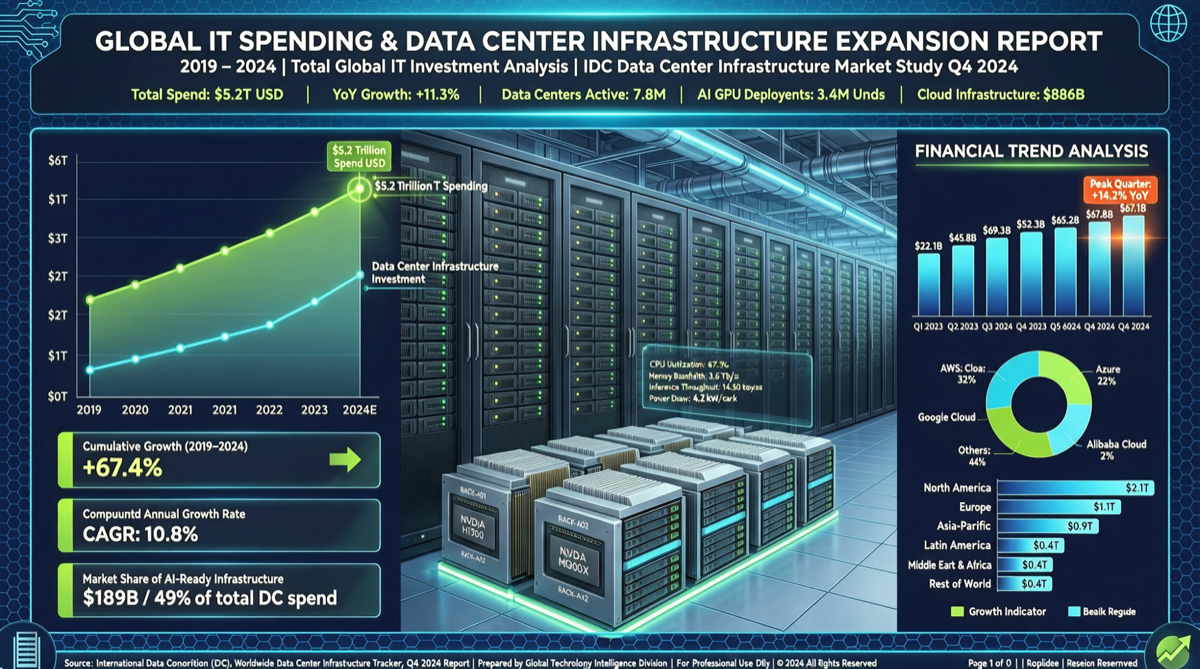
Gartner predicts 2026 global IT spending will reach $6.31 trillion, up 13.5% YoY, with data center system spending surging 55.8%. AI infrastructure and advanced memory are the core drivers of spending growth.
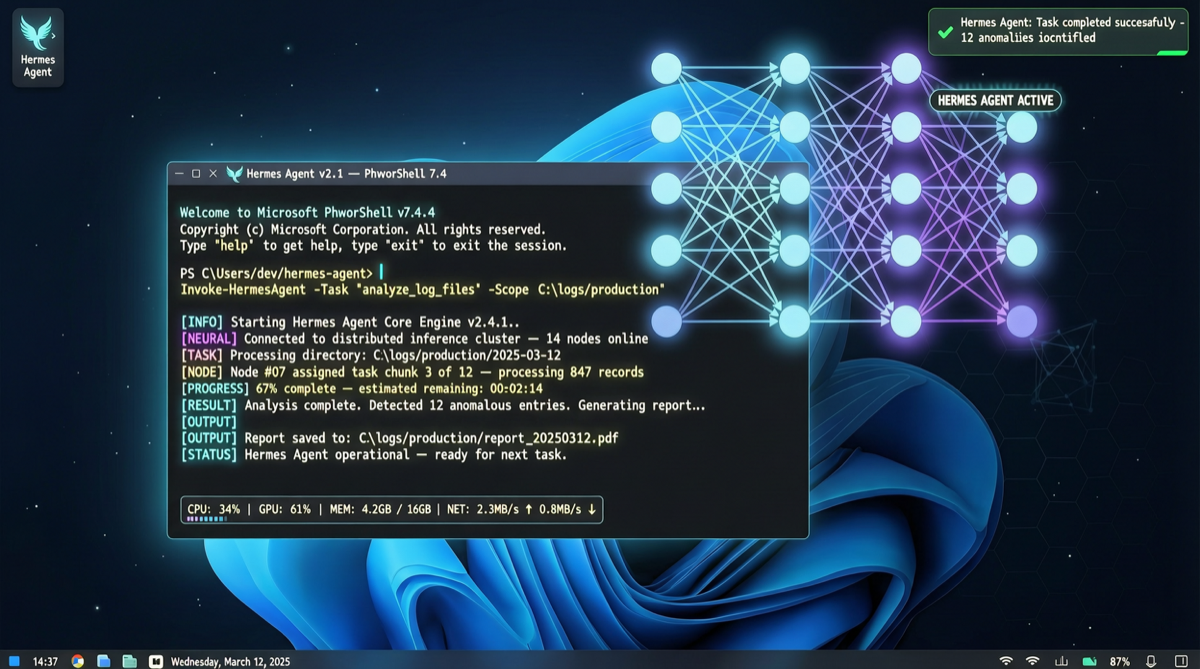
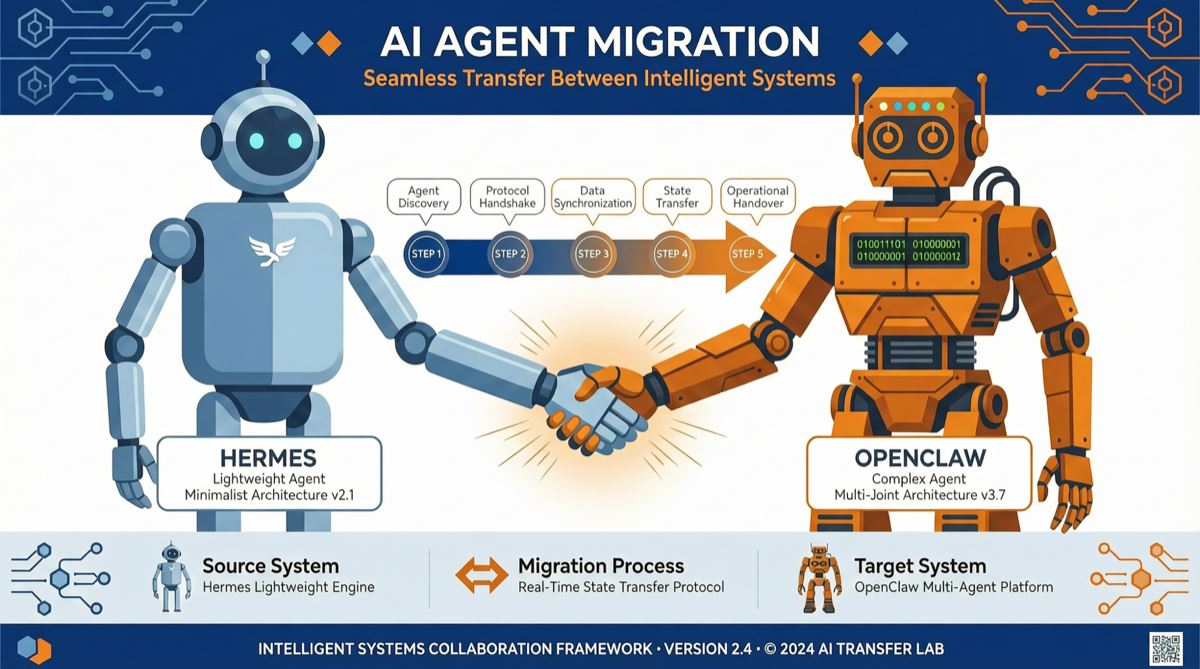
Hermes Agent native Windows support enters early beta, requiring no WSL or Docker — a single PowerShell command installs everything. Path, shell, and UTF-8 compatibility issues resolved, though the team warns of rough edges.
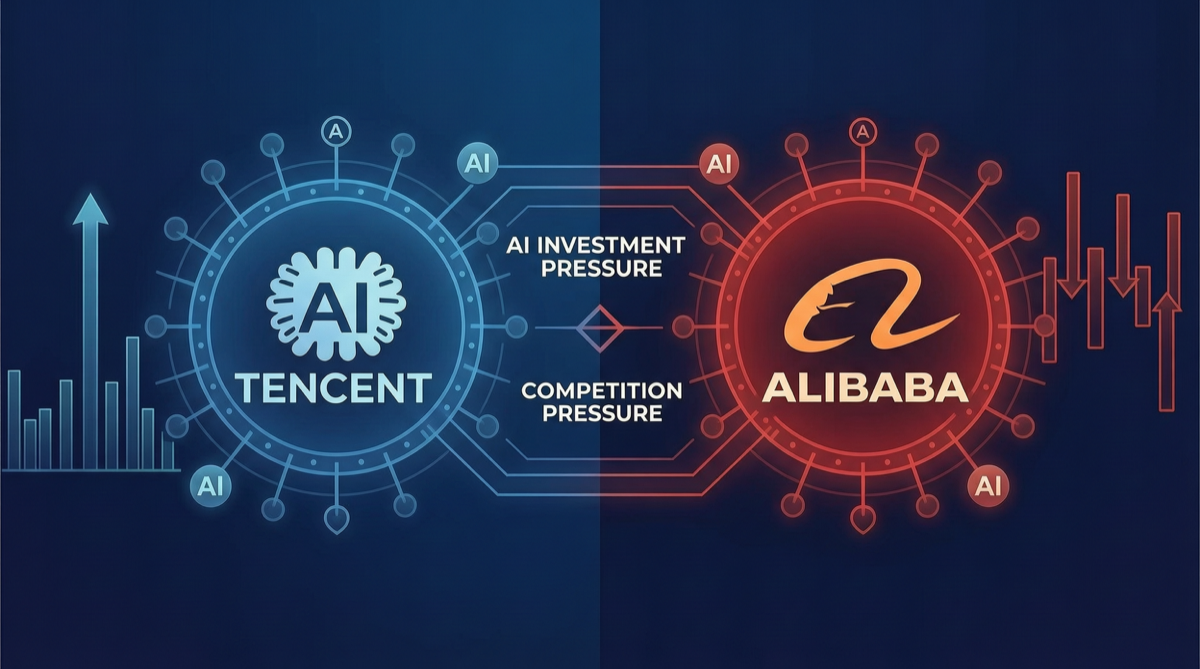
Reuters reports that Tencent and Alibaba earnings will be shaped by rising AI investment costs and intensified competition following DeepSeek V4. China AI cost war has spread from model companies to internet giants.
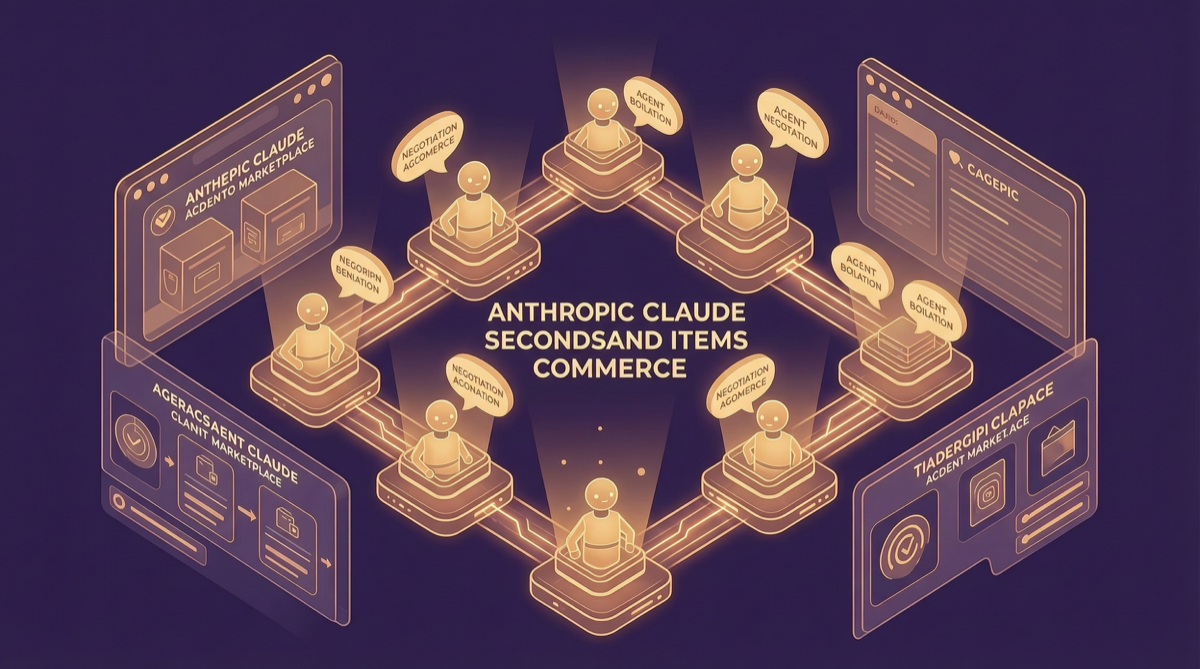
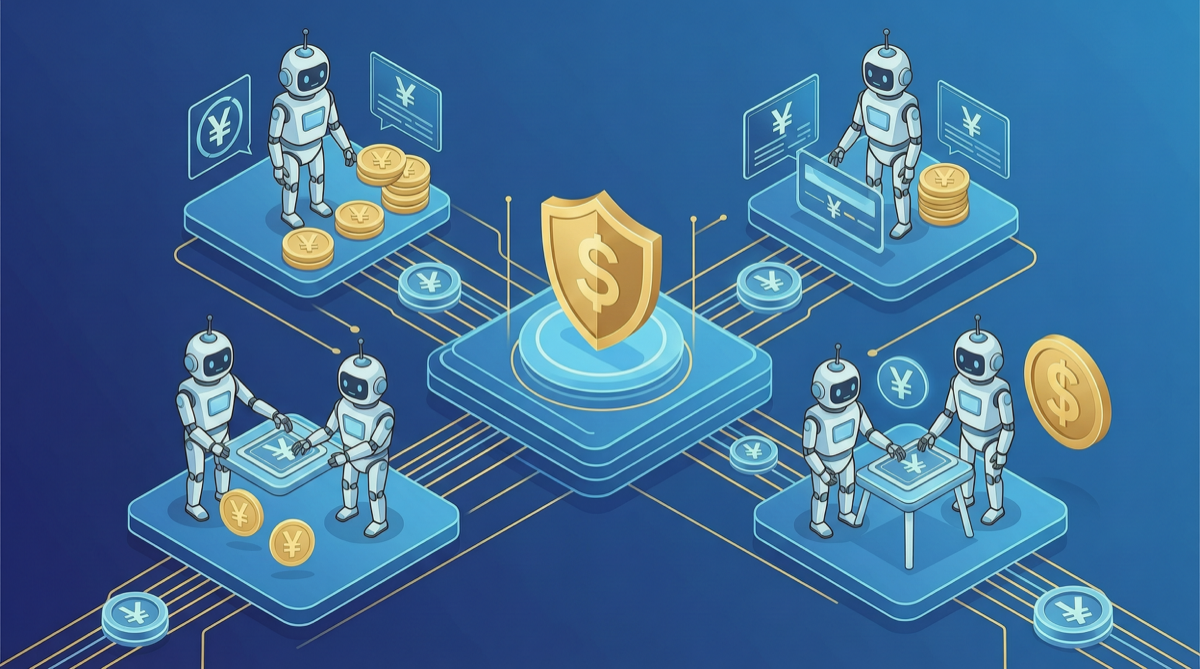
Anthropic ran an internal experiment: 69 employees each got a Claude Agent to buy and sell secondhand items in a private Slack marketplace. 186 deals, $4,000+ in a week. Opus users got better deals, Haiku users did not even notice they got shortchanged. Agent-to-agent economy has been proven.
ICY Tech and Samsung complete tapeout of Asia's first 8nm eMRAM edge AI chip, using MRAM+SRAM hybrid architecture to address the memory wall in traditional AI chips.
Cloudflare CEO Matthew Prince announces cutting approximately 20% of the workforce, explicitly citing AI automation as a reason for replacing human labor. Another infrastructure company putting 'AI replacement' in its layoff statement.
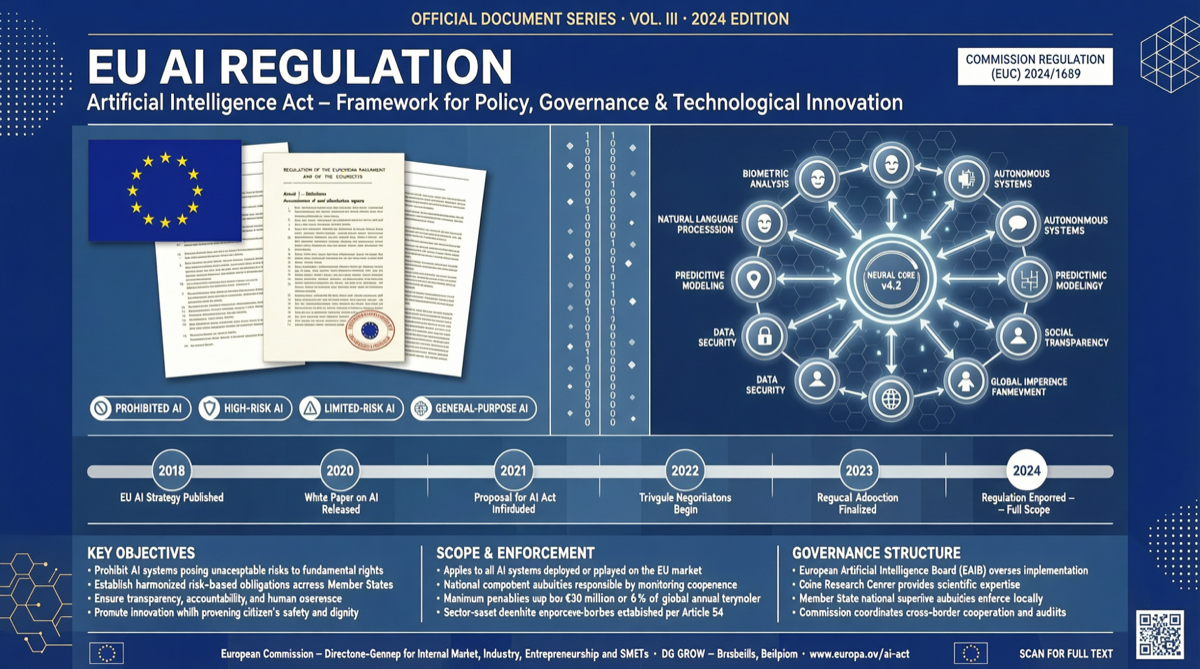
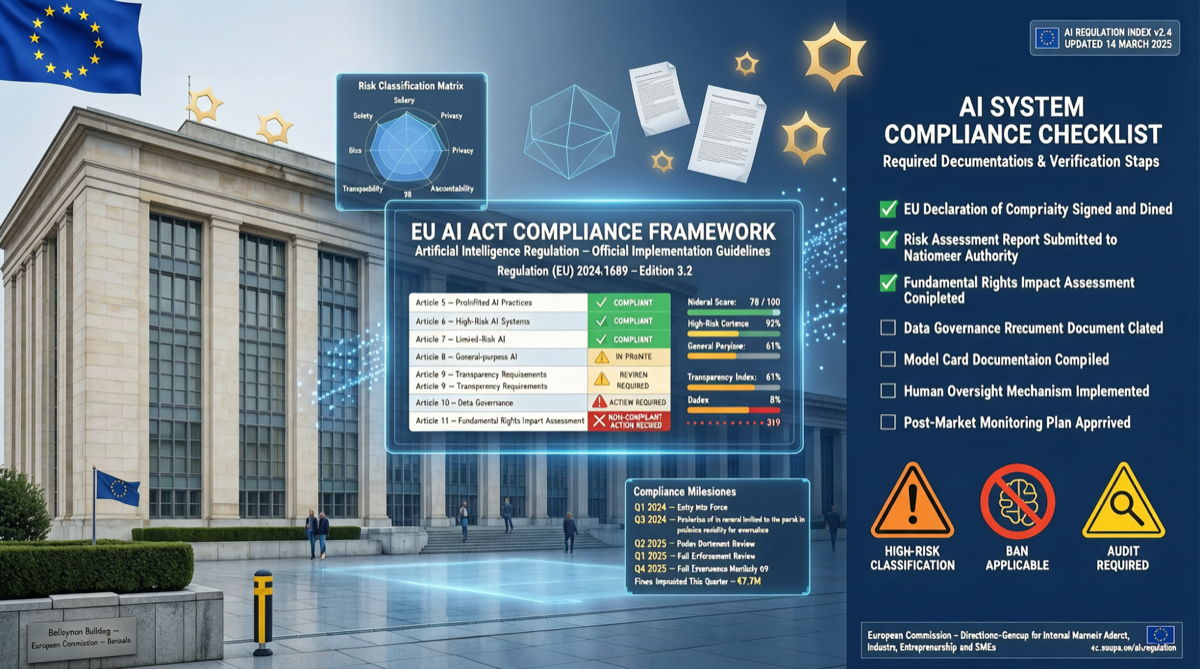
EU member states and lawmakers reached a provisional agreement on a revised AI Act with significantly diluted regulatory scope. The key concrete outcome is a year-end ban on AI systems generating non-consensual deepfakes, while the broader AI regulatory framework has been substantially weakened.
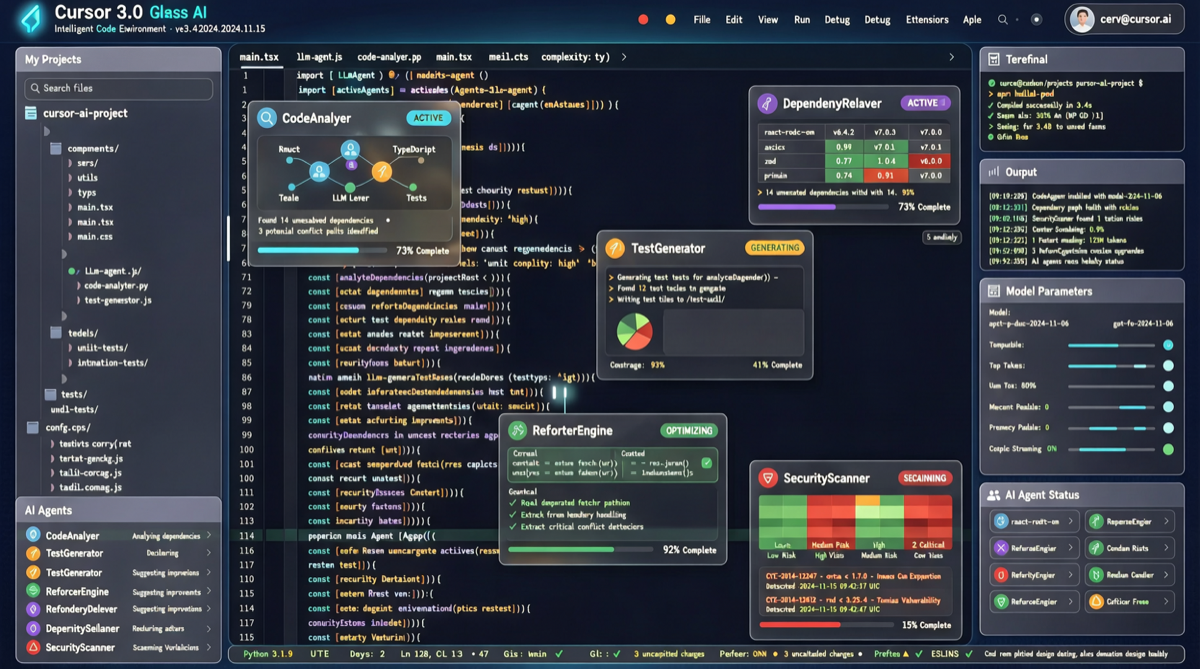
Cursor 3.0, codename Glass, releases with a complete overhaul from interface to workflow, shifting the developer role from writing code to directing and overseeing AI agents.
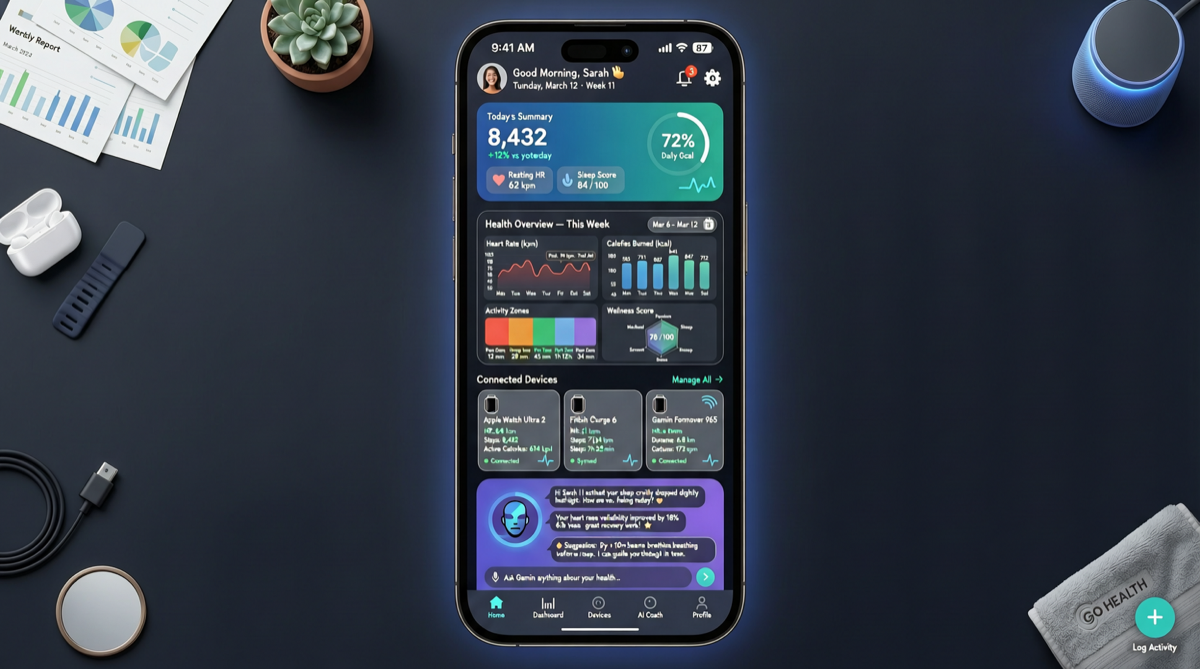
Google officially launched its new Google Health app, fully replacing Fitbit. It imports data from Apple Watch, Garmin, and Whoop, with a built-in Gemini AI health coach providing personalized guidance—directly challenging Apple Health's walled garden.
Anthropic publicly launches its security bug bounty program on HackerOne, expanding from an internal security research community to everyone. Vulnerabilities found during private operation already helped harden their products.
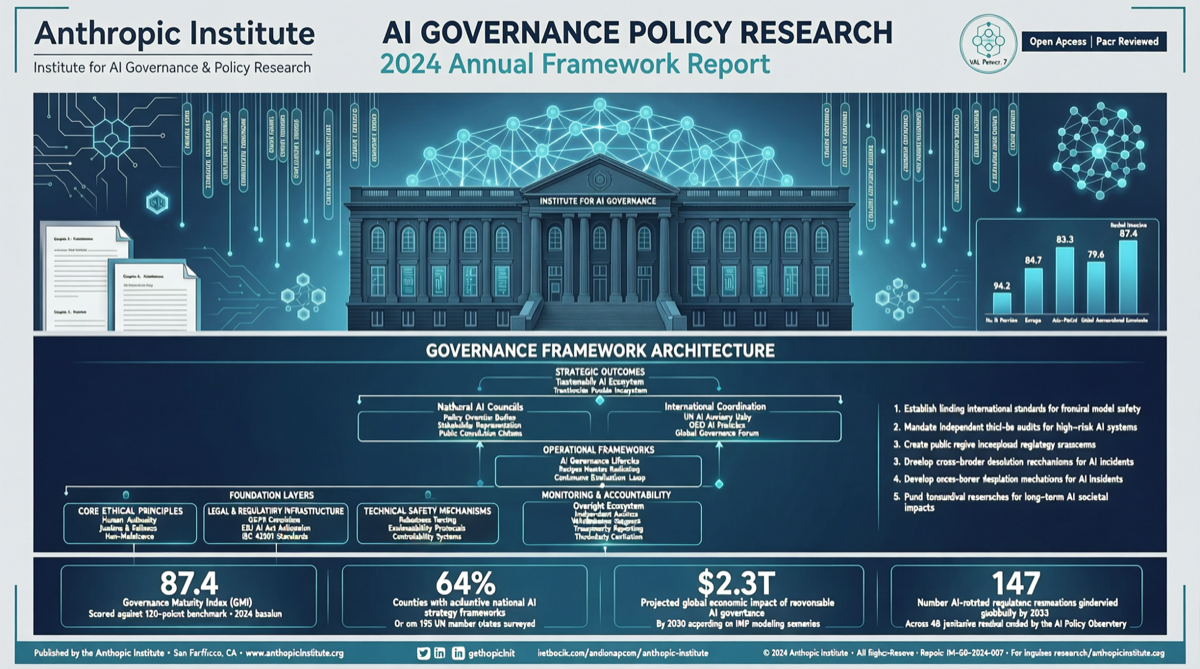
Anthropic publishes research focus areas for The Anthropic Institute, marking a shift from governance frameworks to concrete research projects. Released alongside Petri donation and NLA research.
awesome-ai-apps aggregates RAG, Agent, workflow and other AI application projects, gaining 122 stars today. A navigation station for quickly discovering AI practical cases.
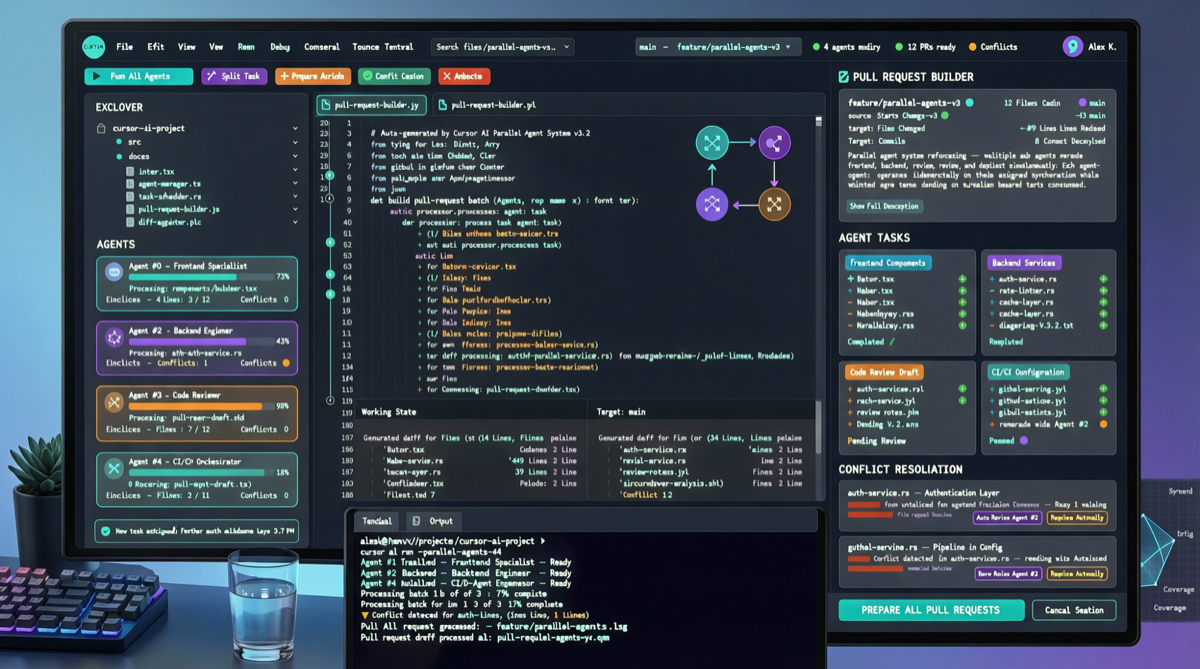
Cursor launches parallel sub-agents and automatic PR splitting. One task can now run multiple independent sub-agents simultaneously, with changes auto-split into mergeable small PRs.
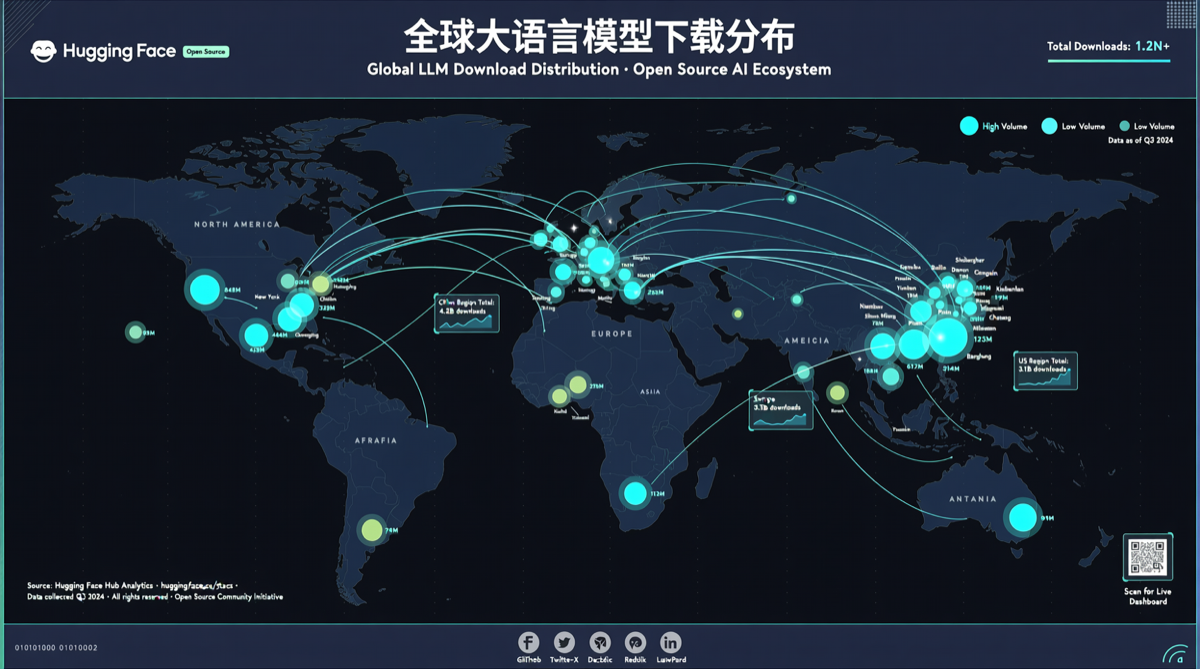
Hugging Face's latest report reveals 41% of global large model downloads over the past year came from China, making it the most active region for open-source model development and consumption worldwide.
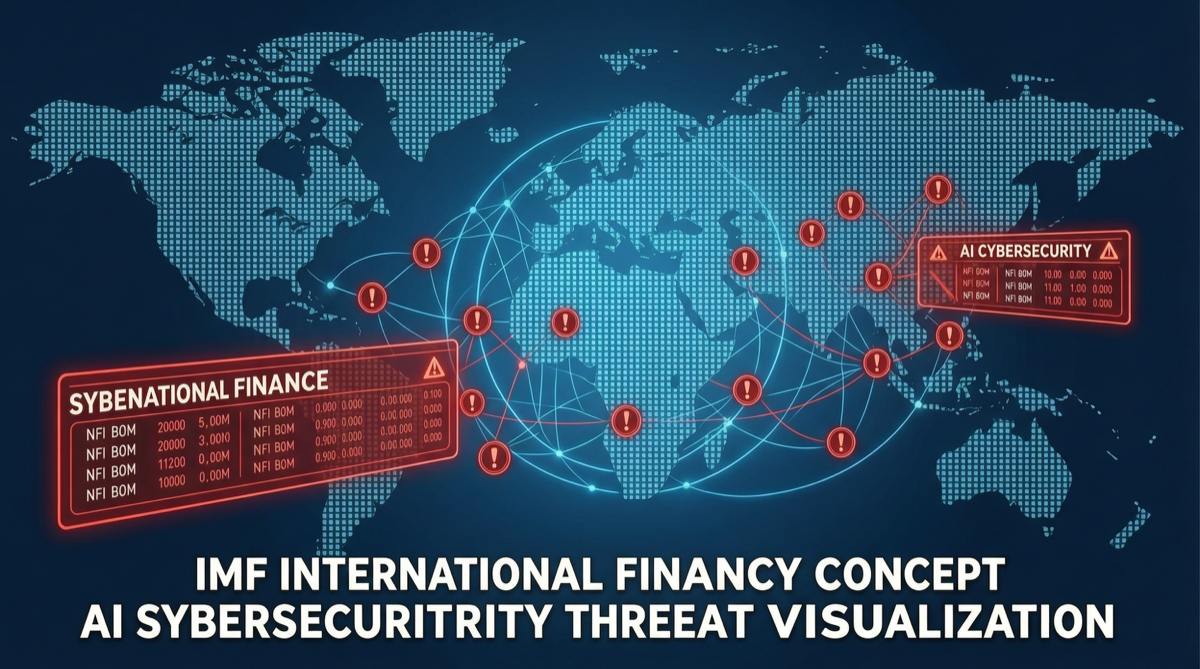
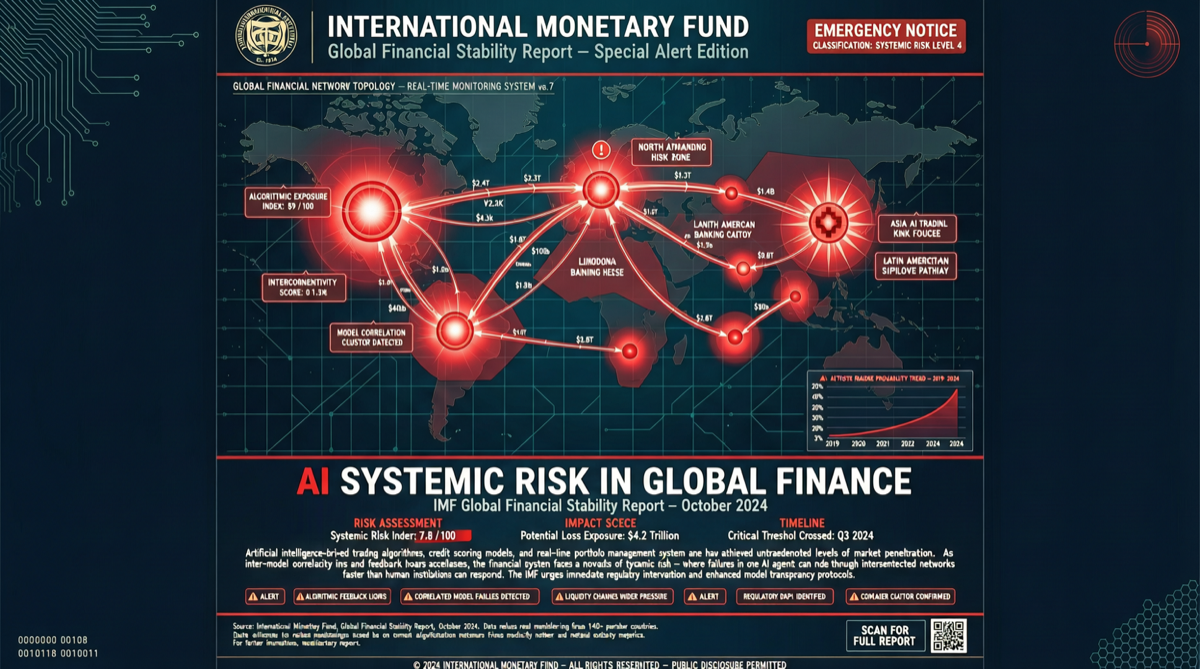
IMF warns that AI-powered cyberattacks pose a 'macro-financial shock' risk to the global financial system, with extreme cyber-incident losses capable of triggering funding strains, solvency concerns, and market disruption.
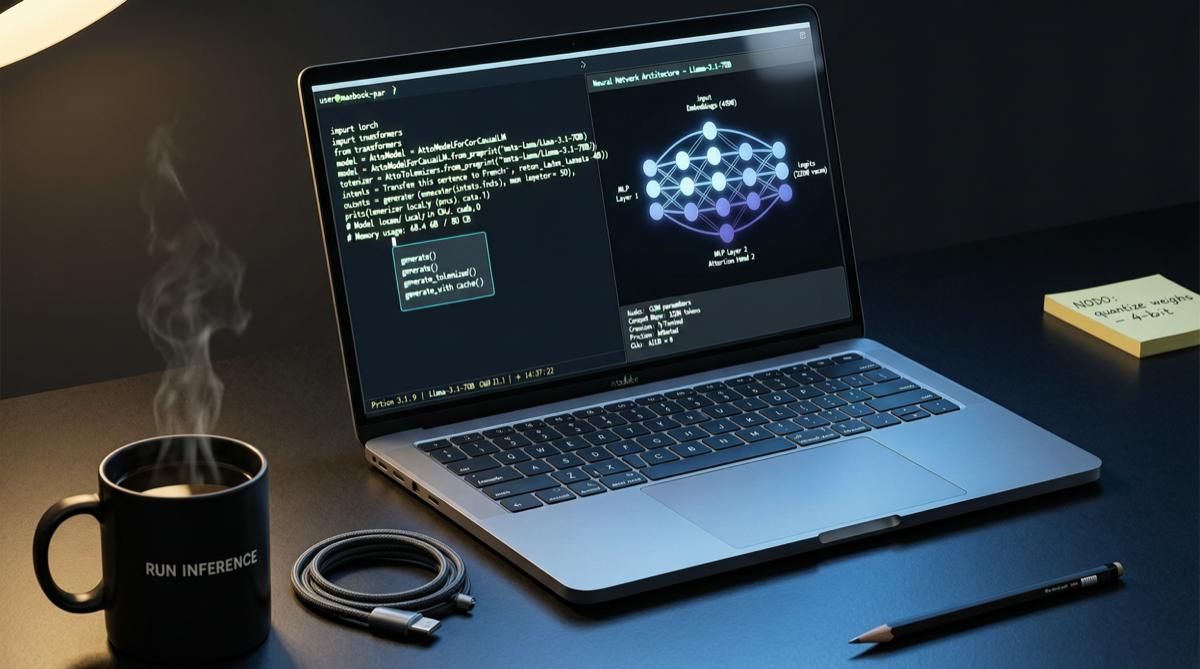
OpenAI open-sourced 20B MoE model gpt-oss-20b, after TurboQuant 3-bit quantization and MLX optimization, runs smoothly offline on regular MacBook with 131K context. Local inference barrier drops another level.
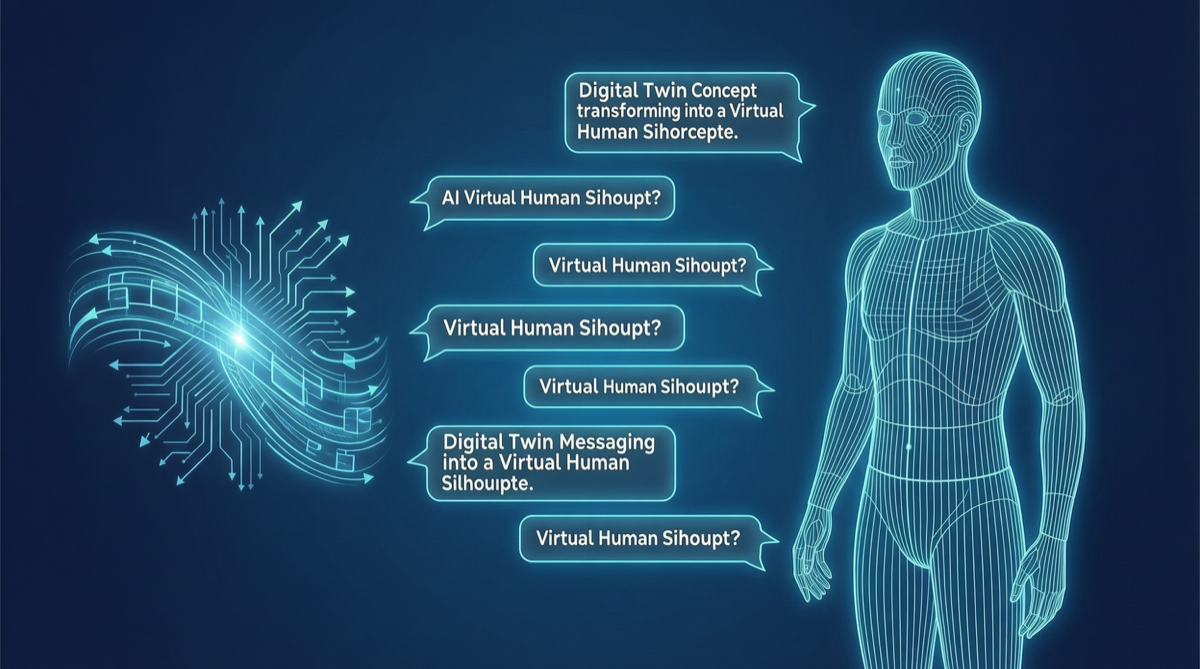
WeClone fine-tunes LLMs with chat history to create personal digital twins, supports WeChat bot binding. v0.2.0 optimizes training efficiency, letting anyone replicate their speaking style.
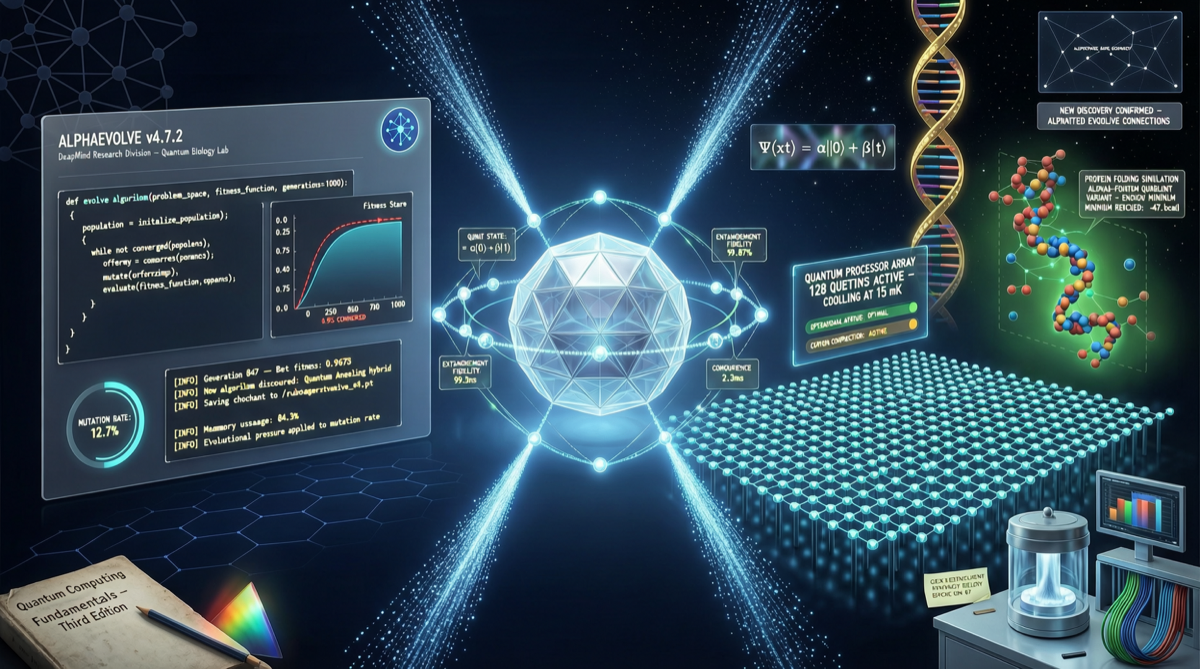
Google DeepMind's Gemini-powered coding agent AlphaEvolve celebrates one year of accelerating algorithm discovery across quantum computing, biotechnology, logistics optimization. OpenEvolve offers an open-source alternative.
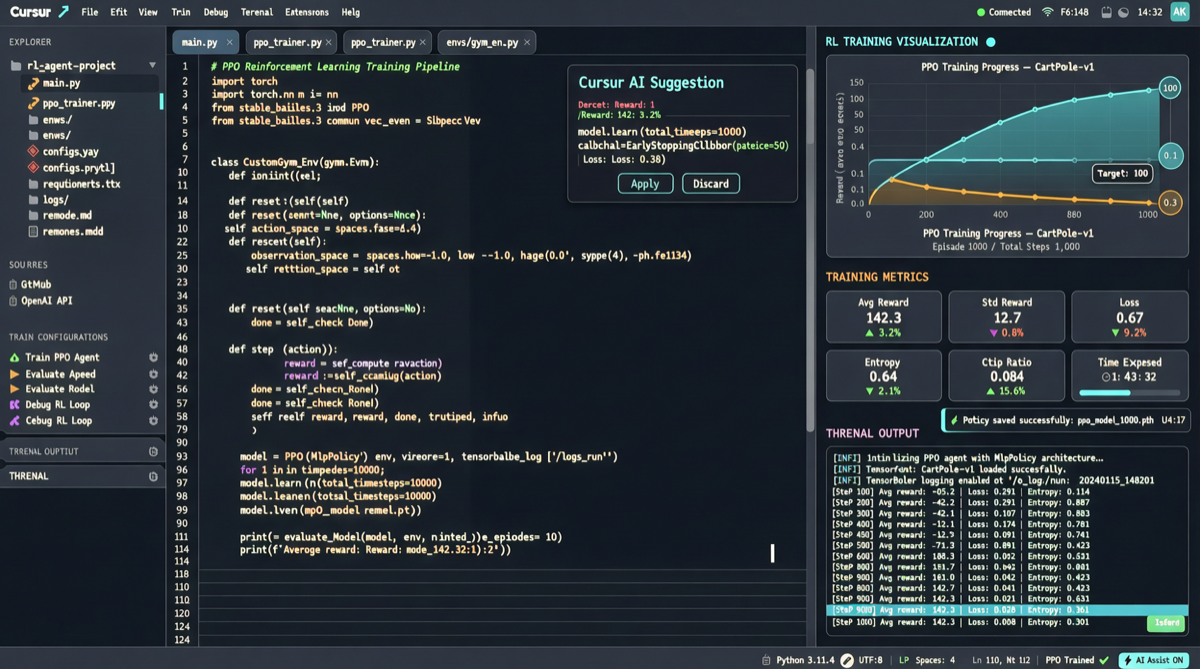
Cursor has disclosed the training methodology for its Composer series models: using a previous-generation Composer model to automatically set up a runnable RL training environment for the next generation, addressing the core pain point of wasted tokens due to environment configuration issues.
Qwen Desktop launches free AI voice input for all users, supporting automatic removal of filler words, error correction, spoken content formatting, context-aware replies, and one-click writing, Q&A, and translation commands. Master 2 shortcuts to cover all core scenarios.
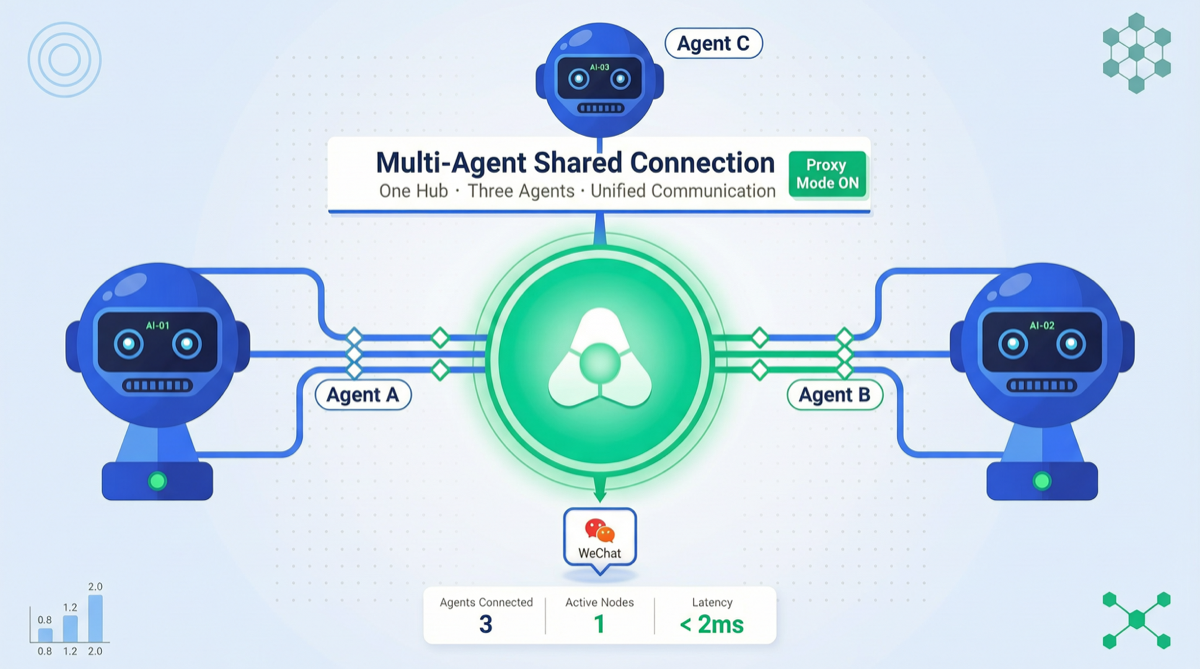
HermesClaw is a lightweight Python proxy of approximately 500 lines that lets Hermes Agent, OpenClaw, and OpenCode run simultaneously on a single WeChat account. It exclusively manages the iLink connection and distributes requests, resolving the 403 conflict caused by multiple agents competing for connections.
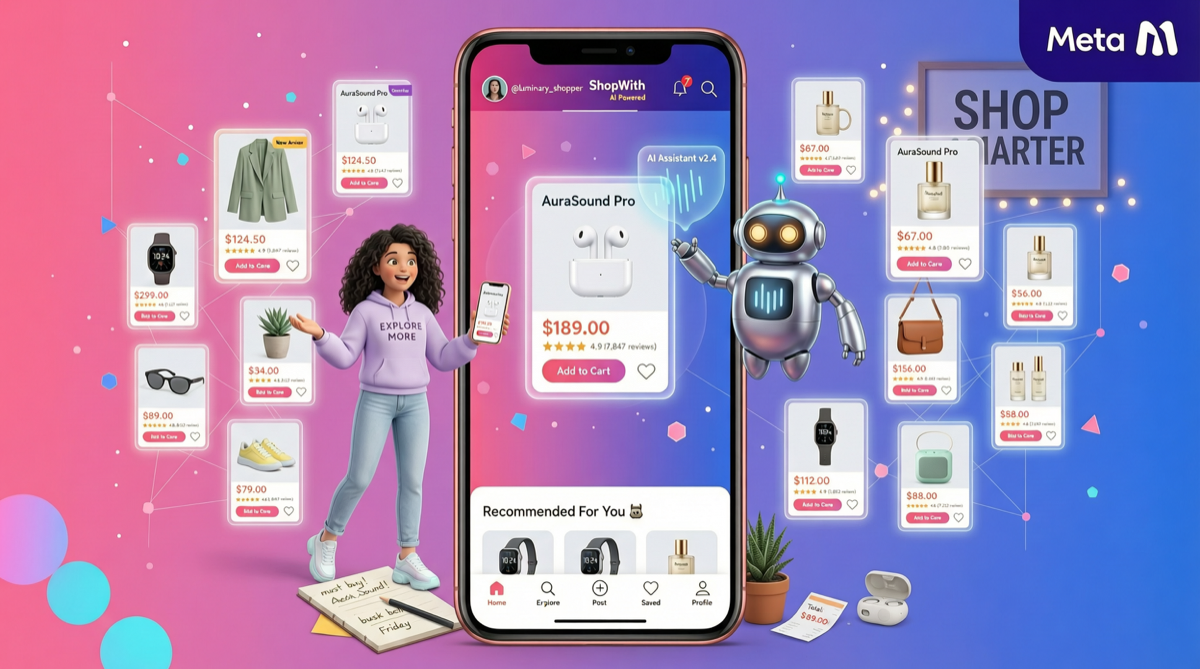
Meta is internally developing "Hatch", a consumer-grade AI agent in the style of OpenClaw, with internal testing planned for June. Meanwhile, an Instagram shopping AI agent tool is expected to launch before Q4, transforming Instagram from a content platform into a full AI commerce ecosystem.
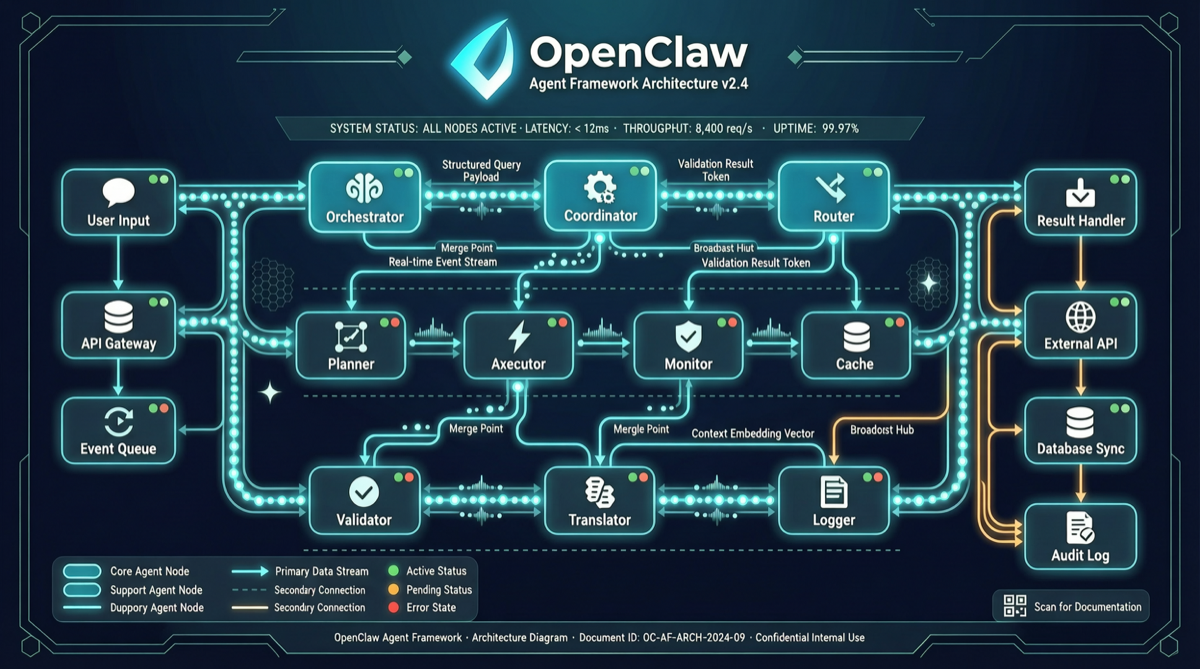
OpenClaw releases v2026.5.3 and v2026.5.5 within 48 hours: the former introduces a bundled file-transfer plugin and Gateway performance optimizations, the latter focuses on channel reliability and daily Agent workflow stability polishing, marking Agent frameworks shifting from feature competition to quality competition.
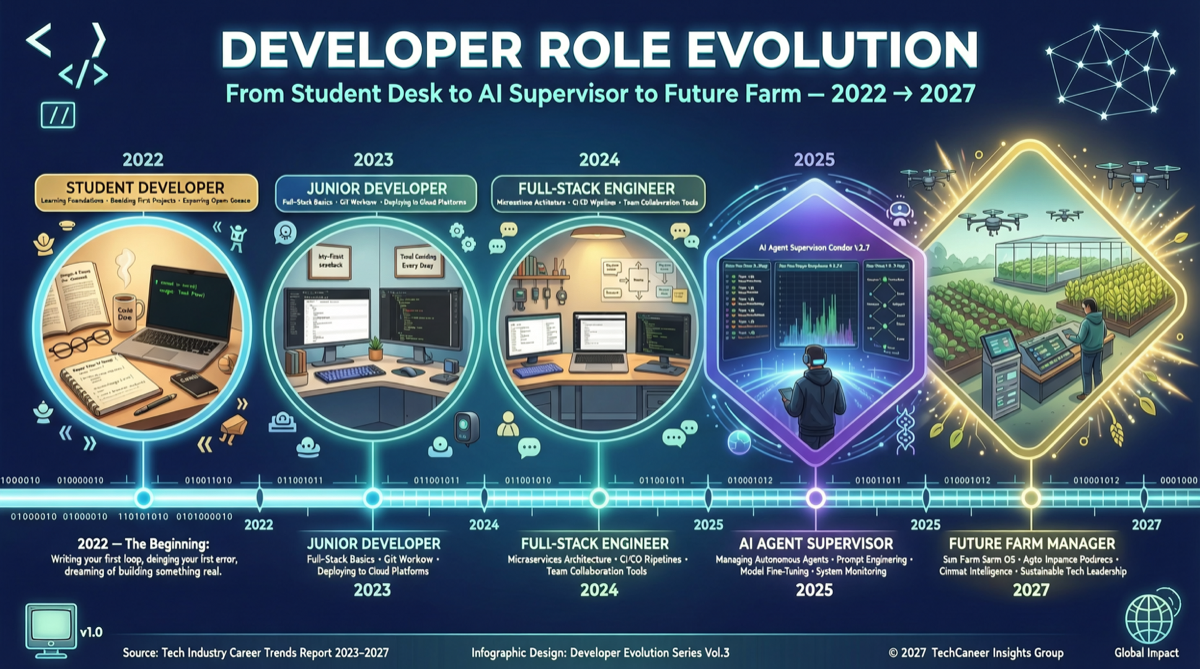
A tweet describing five years of developer role evolution gains 14,593 likes and nearly 700K views: from 2022 Student to 2026 AI Agent Babysitter, to the joked 2027 Farmer. This isn't just a meme — it precisely captures AI's reshaping of developer professional identity, blending anxiety with opportunity.
Google DeepMind, Microsoft, and xAI officially join the CAISI frontier model safety testing program, agreeing to provide early access to new models before public release for national security assessment. This marks a significant shift from the "hands-off" policy of one year ago.
Qwen Code releases v0.14.0 major update with Telegram/WeChat/DingTalk remote control, built-in Cron scheduled tasks, sub-agent model selection, new Qwen3.6-Plus flagship model with 1M context, and /plan mode that maps all files and steps before execution.
The International Monetary Fund issued a warning that the application of new AI models in finance could trigger "systemic" risks. As AI penetration in trading, credit, and risk management accelerates, model homogenization and cascade effects are core concerns.
OpenClaw releases version 2026.5.6 maintenance update, with core fixes including Doctor module no longer interfering with Codex OAuth routes, Plugin Fetch handling abnormal headers, and Web Fetch timeout optimization. 742 likes and 61,000 views reflect the community's high attention to infrastructure stability.
Alibaba launches unified AI digital persona "Qwen Xiajiowo," marking accelerated brand personification for Tongyi Qianwen. The assistant is integrating into Taobao, Amap and other core platforms.
According to Bloomberg, Apple plans a comprehensive overhaul of Siri, allowing users to choose external AI services to power their software features. This strategic shift means Apple is moving from a closed, in-house model approach to an AI platform model, potentially reshaping the competitive landscape for AI in the iOS ecosystem.
Hermes Agent v0.12.0 introduces self-maintenance, skill review, Pin pinning, and 7-day auto-cleanup cycles. Long-running agent workflows no longer require manual intervention, drastically reducing the "babysitting cost" of AI agents and making persistent agents truly practical.
Meta, together with five tech giants AMD, Broadcom, Intel, Microsoft, and NVIDIA, releases Multipath Reliable Connection (MRC) open network protocol, designed for large-scale AI training clusters to reduce GPU wait time, improve training efficiency and reliability.
Google open-sourced the Agent Development Kit (ADK), a Python framework for creating, testing, and deploying AI agents. Supporting any LLM (Gemini, OpenAI, Anthropic), MCP protocol, and multi-agent orchestration, it aims to become the unified standard for AI agents.
Reuters reports Meta is building an OpenClaw-equivalent personal AI assistant powered by its self-developed Muse Spark model, targeting billions of users across Facebook, WhatsApp, and Instagram. This comes after OpenClaw founder Peter Steinberger chose OpenAI over Meta.
Microsoft security research team disclosed that in multi-agent networks, a single malicious message can propagate like a virus between agents, extracting private data at each hop and pulling unrelated agents into the infection chain. This finding echoes the UC Santa Cruz agent poisoning paper, revealing structural risks in multi-agent trust models.
Amazon announces company-wide access to Claude Code for all employees, with OpenAI Codex following on May 12. This marks AI coding agents transitioning from personal tools to enterprise infrastructure, with developer productivity gaps widening to 5-10x.
AMD reports Q1 2026 earnings of $10.3B (+38% YoY), with data center revenue surging 171%. MI400 AI accelerators ship at scale, posing a substantive challenge to NVIDIA for the first time. The AI chip market shifts from monopoly to duopoly.
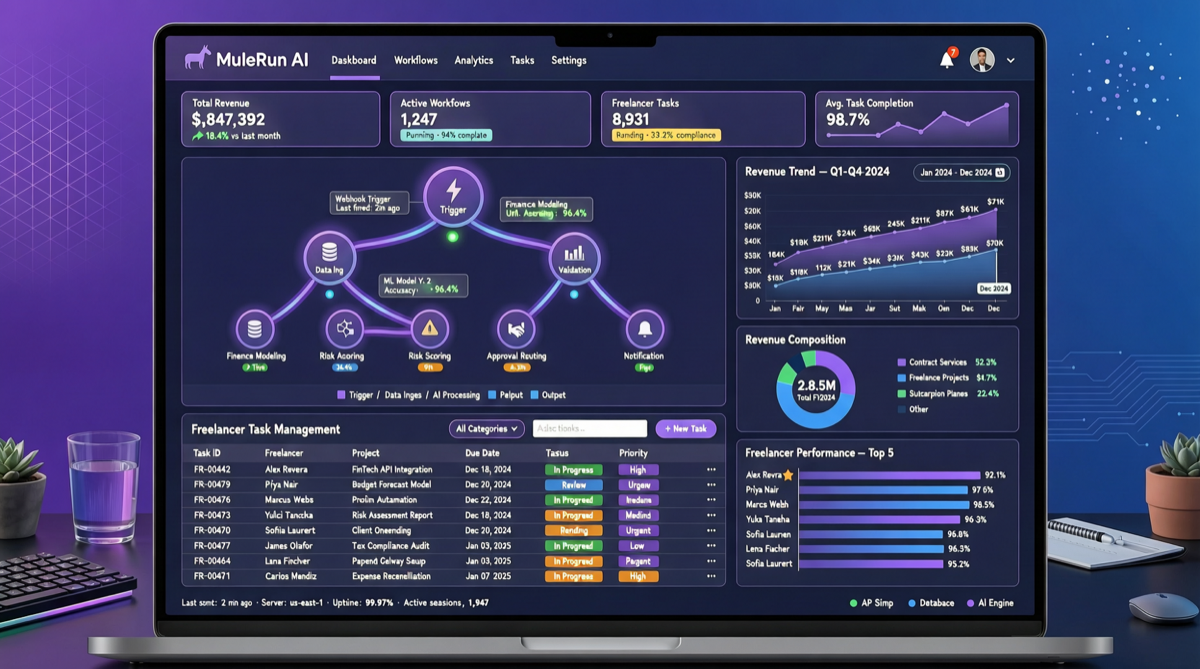
MuleRun AI workflow platform is becoming the "Swiss Army Knife" for personal agents — users build Magnificent 7 earnings dashboards, freelancer automation workflows, and even partnered with World Aquatics for a global creative challenge. One platform, multiple workflows, zero-code threshold.
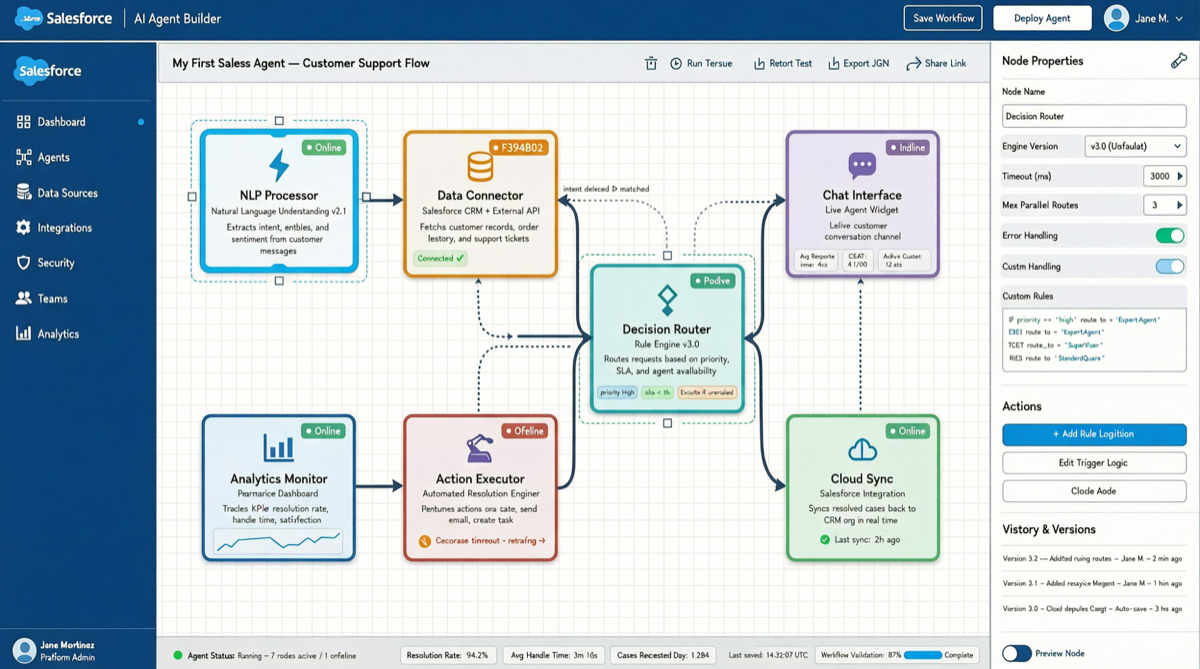
Salesforce Spring '26 makes Agentforce the platform core, launching Web Console IDE and Vibe IDE, drastically lowering the barrier for enterprise Agent building. Salesforce combines CRM data + Agents to build a moat in the enterprise AI market.
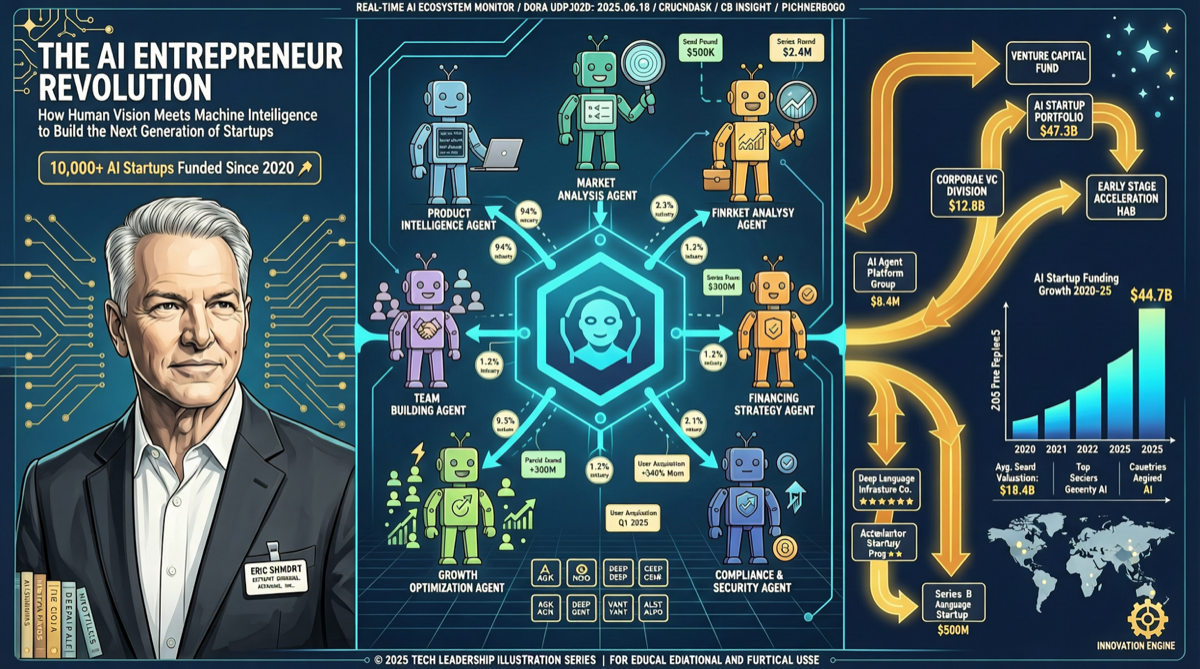
Former Google CEO Eric Schmidt stated "if you want to make money, founding an agentic AI company is actually easy." AI VC funding surged 4.5X QoQ in Q1 2026, Jensen Huang predicts "every engineer will manage hundreds of agents." The signals for 2026 Agent entrepreneurship are clear.
OpenRouter data shows GPT-5.5 API costs increased 49-92% compared to GPT-5.4. The good news: the model generates 19-34% fewer completion tokens in long-prompt scenarios, partially offsetting the price increase. Analysis of actual cost impact and strategies to respond.
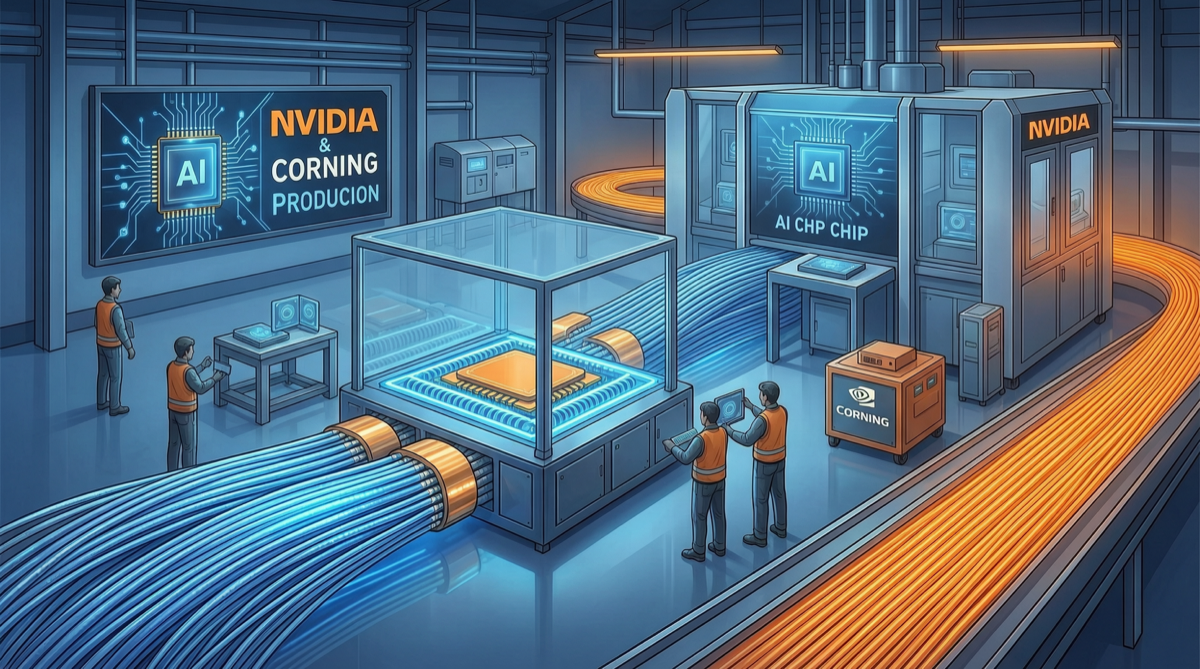
NVIDIA and fiber optic giant Corning announced on May 6, 2026 a major AI infrastructure manufacturing partnership in New York State, embedding optical communication component production directly into the AI compute supply chain.
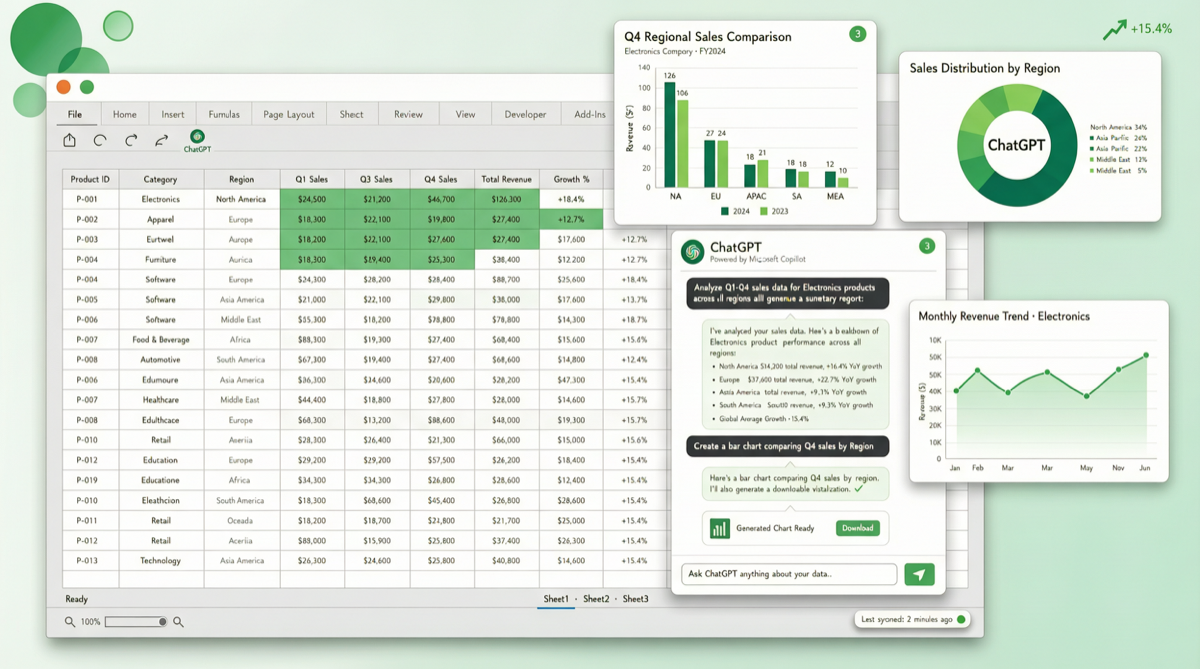
OpenAI officially launches ChatGPT as a direct add-on for Microsoft Excel and Google Sheets, powered by GPT-5.5. Users can invoke frontier-level reasoning directly within spreadsheets — from data cleaning to formula generation to trend analysis, all via natural language.
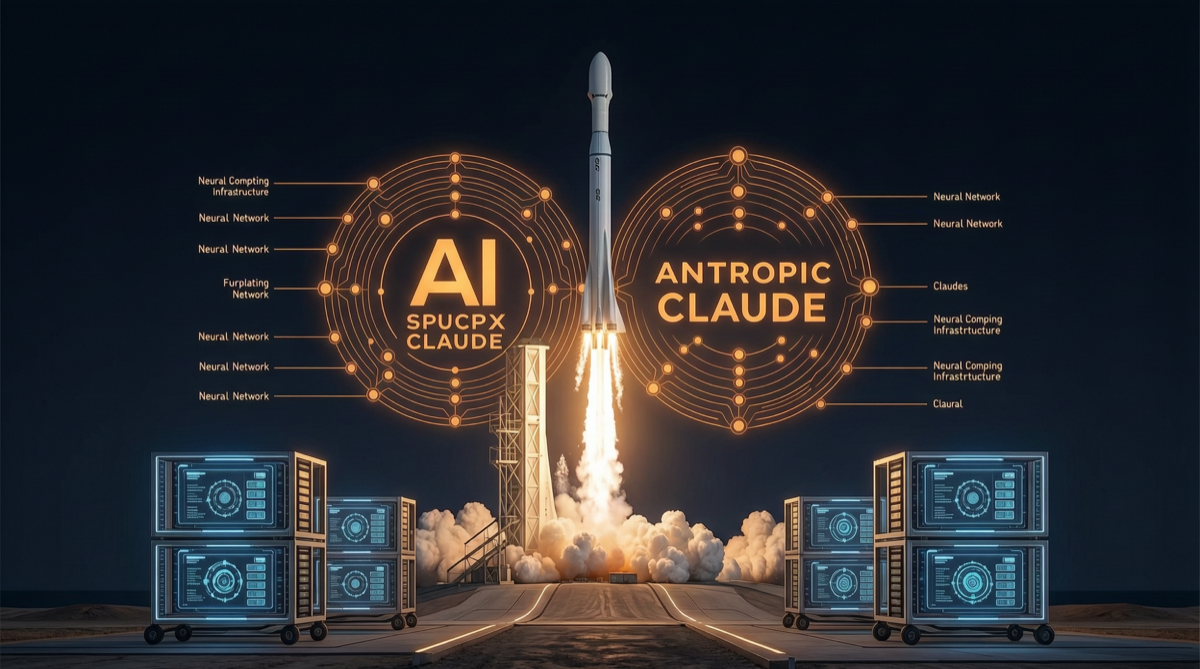
At the Code with Claude developer conference, Anthropic announced a compute partnership with SpaceX, leveraging the Colossus cluster for training and inference. Claude Code 5-hour rate limits doubled and peak-hour restrictions removed. This marks AI companies shifting from chip procurement to compute infrastructure leasing.
Fourteen security researchers from UC Santa Cruz, Berkeley, Tencent, and ByteDance published the paper "Your Agent, Their Asset" in April 2026, conducting penetration testing on the most widely deployed personal AI agent and systematically documenting 12 poisoning attack paths. The research reveals structural defects in the trust model of the current agent ecosystem.
Claude's newly released 'dreaming' feature was flagged by X community as highly similar to open source project Hermes Agent. Core capabilities like cross-session memory and experience accumulation proposed by Hermes months ago are now repackaged by Anthropic as a productized feature. The commercialization fate of open source innovation becomes a topic again.
OpenClaw announced its transition from founder-driven model to team operations jointly supported by the OpenClaw Foundation and OpenAI, with the first Long-Term Support (LTS) version scheduled for late May 2026. This marks the project critical evolution from community tool to enterprise-grade Agent infrastructure.
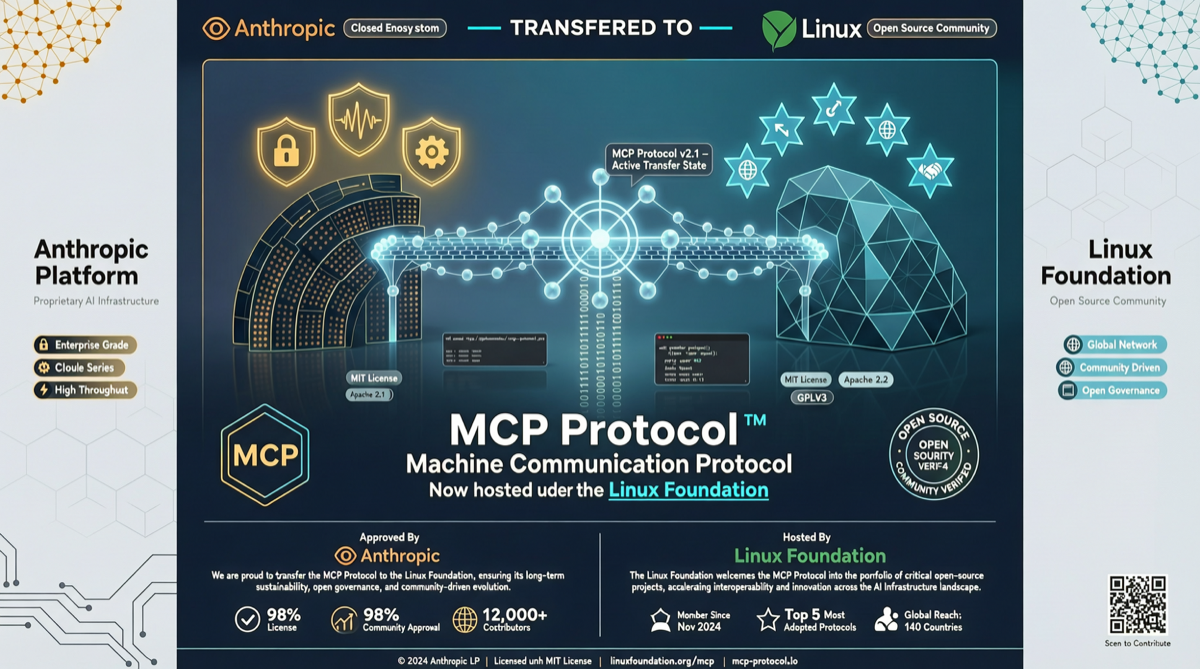
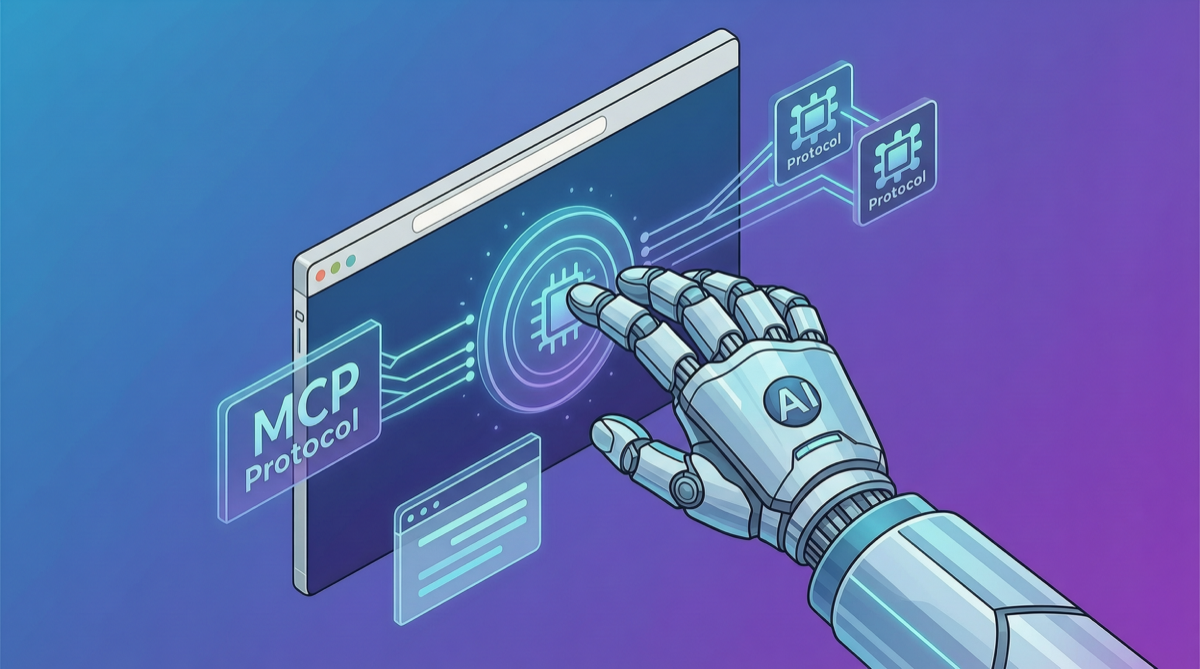
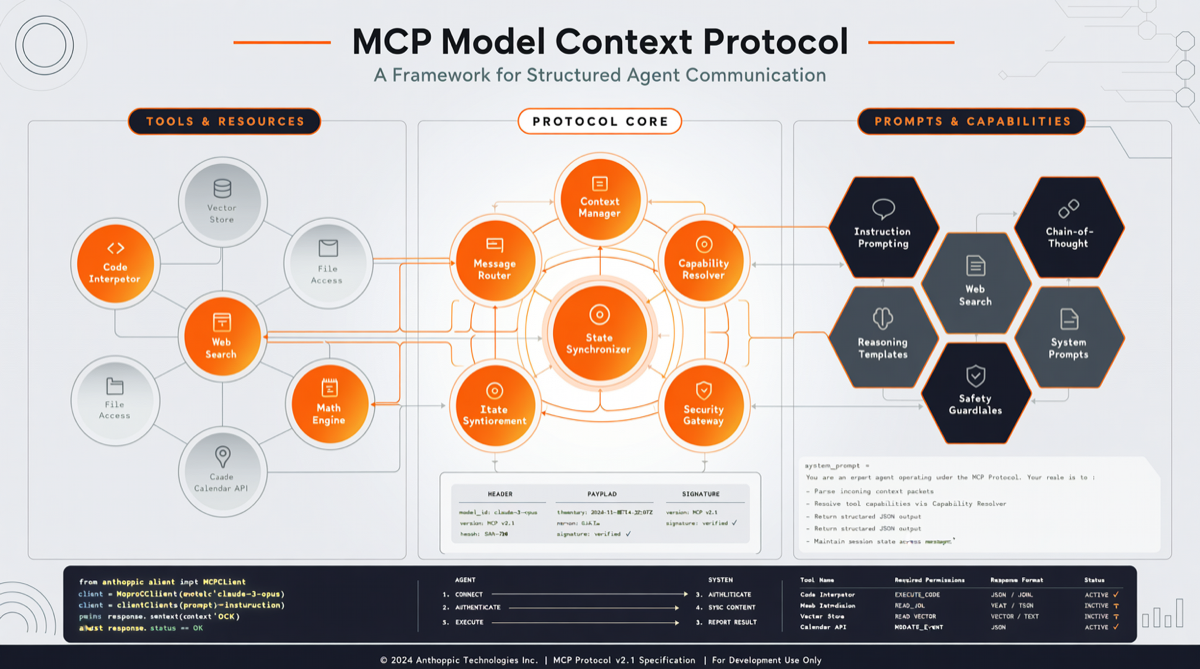
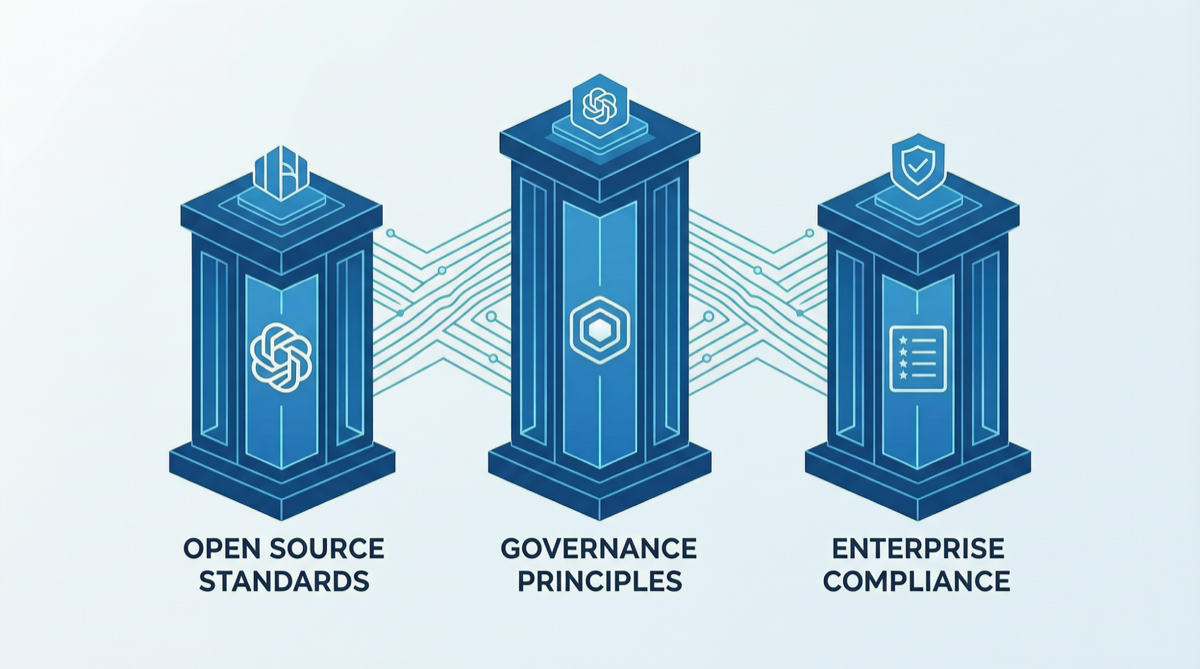
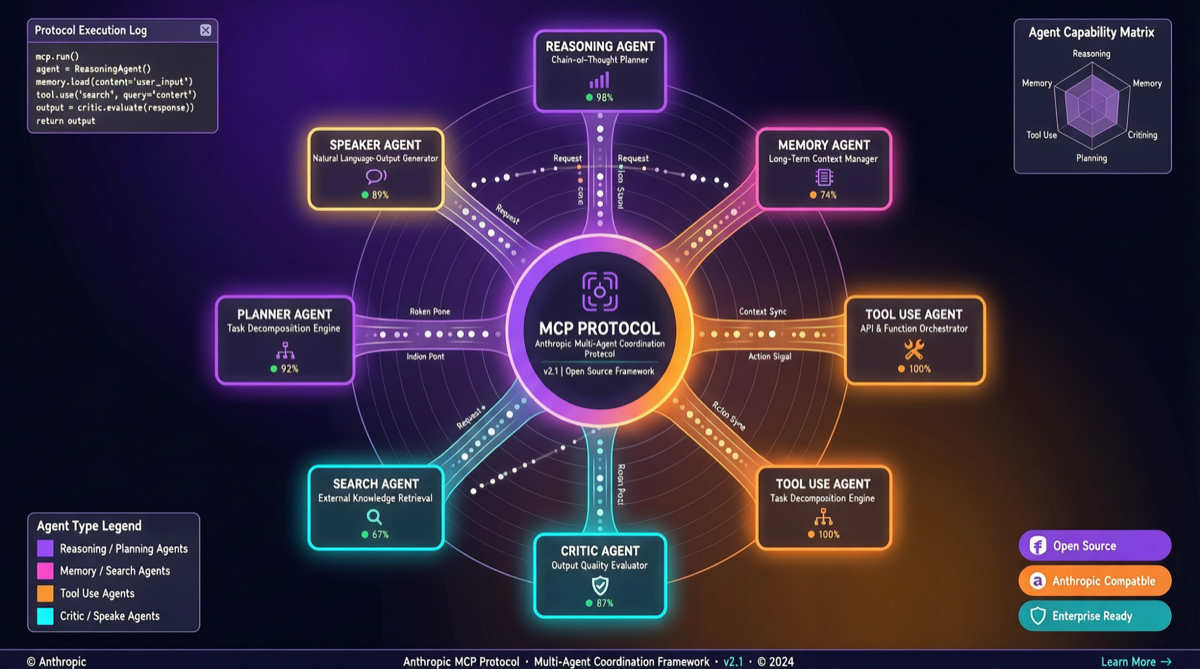
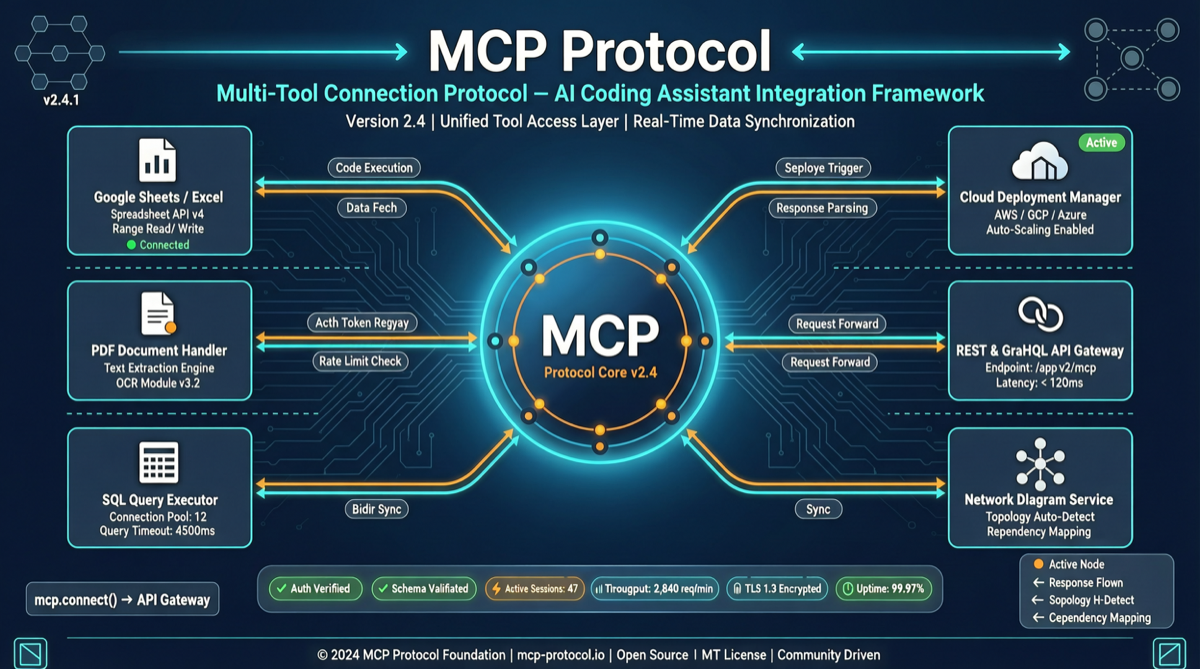
The MCP protocol has officially moved from an independent Anthropic project to Linux Foundation governance, marking the AI tool connection protocol transition from company property to industry co-built standard. State Grid already uses MCP for 12-Agent collaborative power dispatch, and Alibaba Cloud deploys it for intelligent operations.
Elon Musk confirms xAI will dissolve as a separate entity and fully integrate into SpaceX as SpaceXAI. Meanwhile, Anthropic signs a compute agreement to access Colossus 1 (220K+ GPUs), completing the "full-stack AI empire" puzzle.
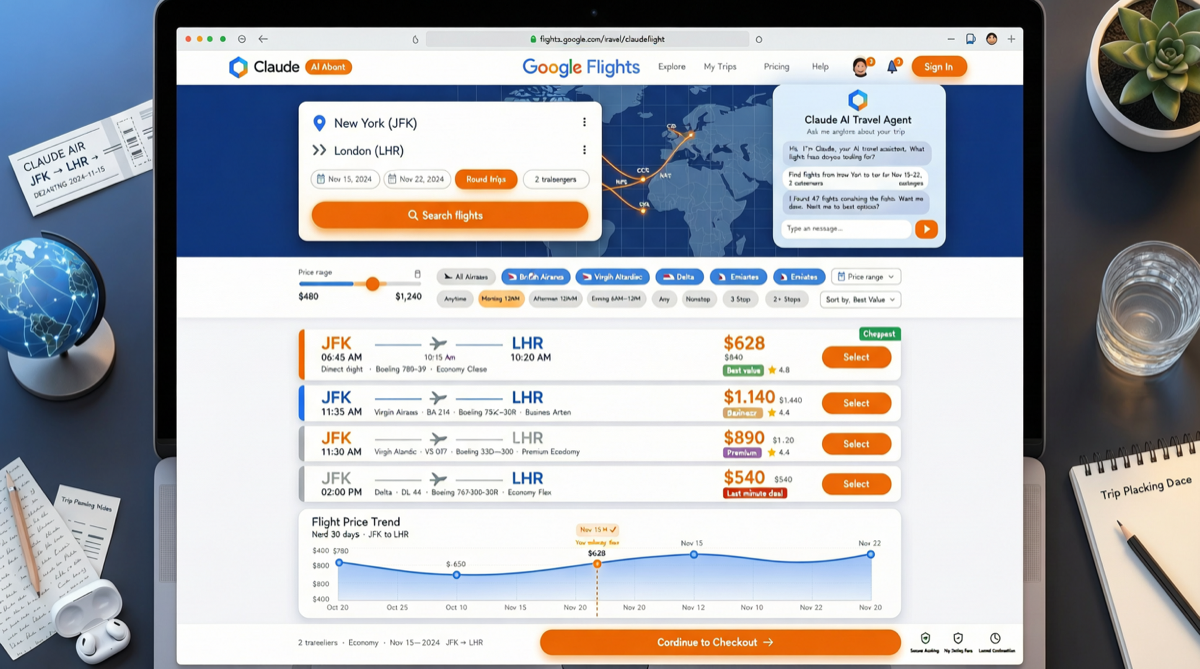
Someone connected Claude Opus directly to the Google Flights API, building an open-source flight search tool. Find lowest prices by date, filter by airline, 100% open source. Another case of Agents connecting to real-world data.
A high school graduate is selling DeepSeek all-in-one machines to government and enterprises - boot up and get a DeepSeek Q&A page. This seemingly simple business reflects China's unique AI adoption path: not chasing the cutting edge, but demanding out-of-the-box usability.
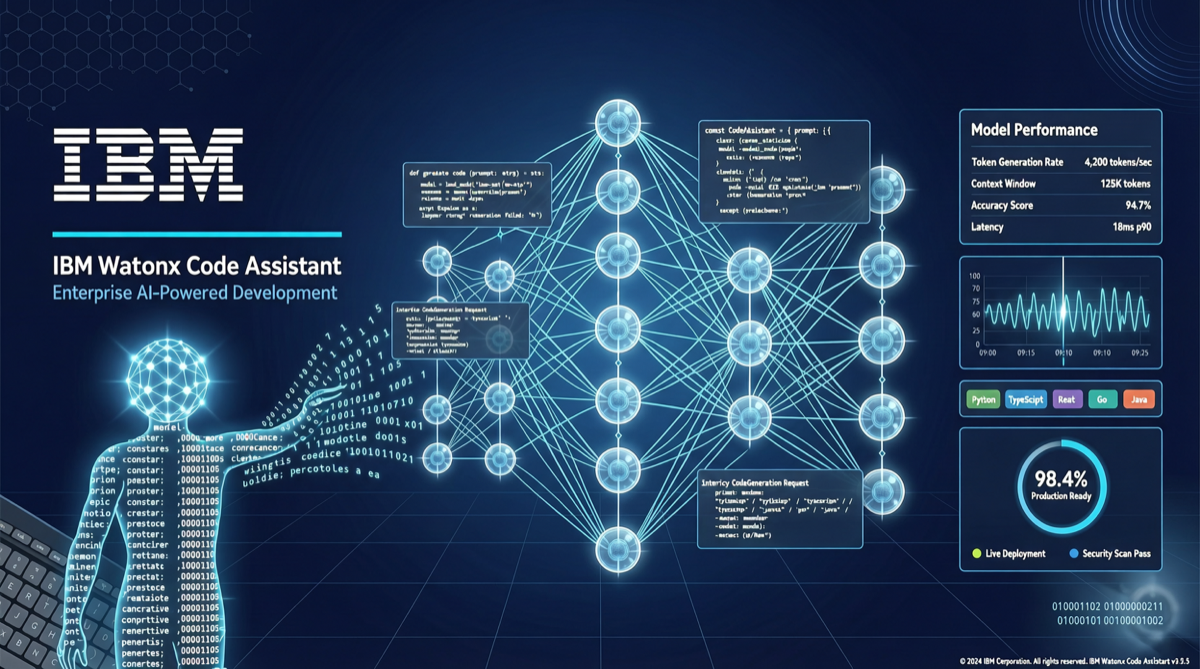
IBM officially launched its AI-native code assistant IBM Bob at Think 2026. Having progressed significantly since its preview at TechXchange 2025, the enterprise AI programming tool competition enters a new stage, going head-to-head with Copilot, Cursor, and Claude Code.
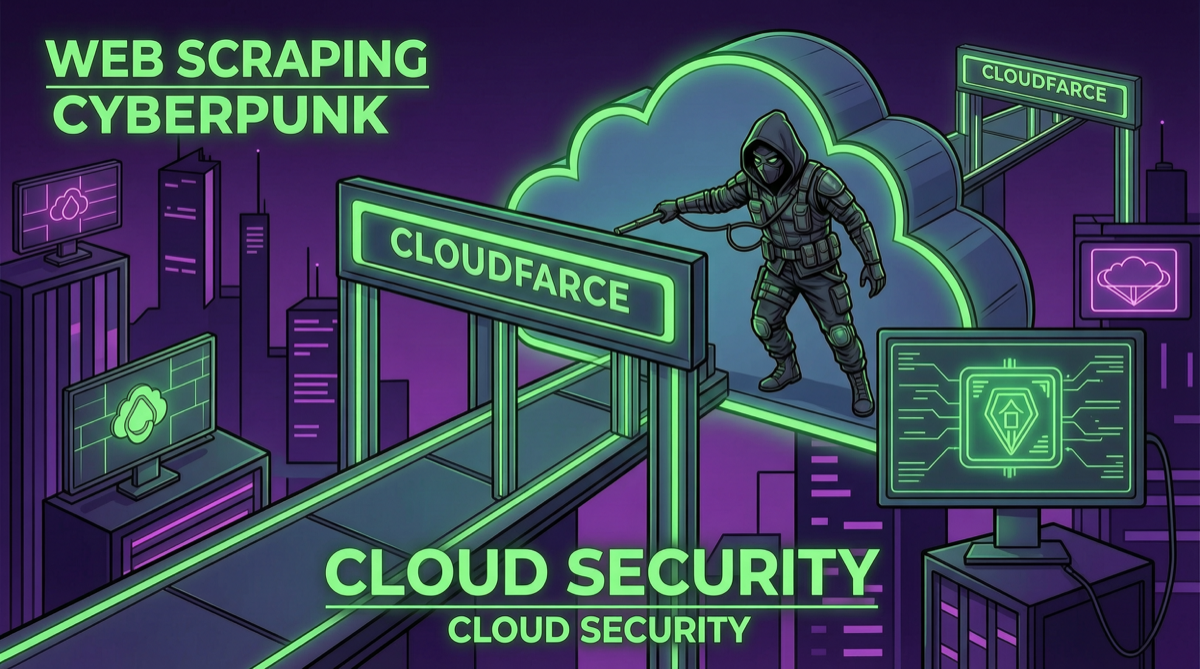
OpenClaw has released powerful anti-detection web scraping capabilities in its latest update, supporting zero-detection Cloudflare bypass, 774x faster than traditional BeautifulSoup solutions, fully open source and running locally.
Four major technological breakthroughs in AI Agents in 2026: MCP+A2A protocol standardization, paradigm shift from Copilot to Autopilot, Agent Swarm explosion in industrial scenarios, thread-level isolation mechanisms. These breakthroughs are reshaping agent capability boundaries.
ByteDance launched Coze 2.5 during the May Day holiday, featuring Agent World for multi-agent task collaboration. Unlike traditional chatbots, users can build digital employee teams, directly competing at the application layer.
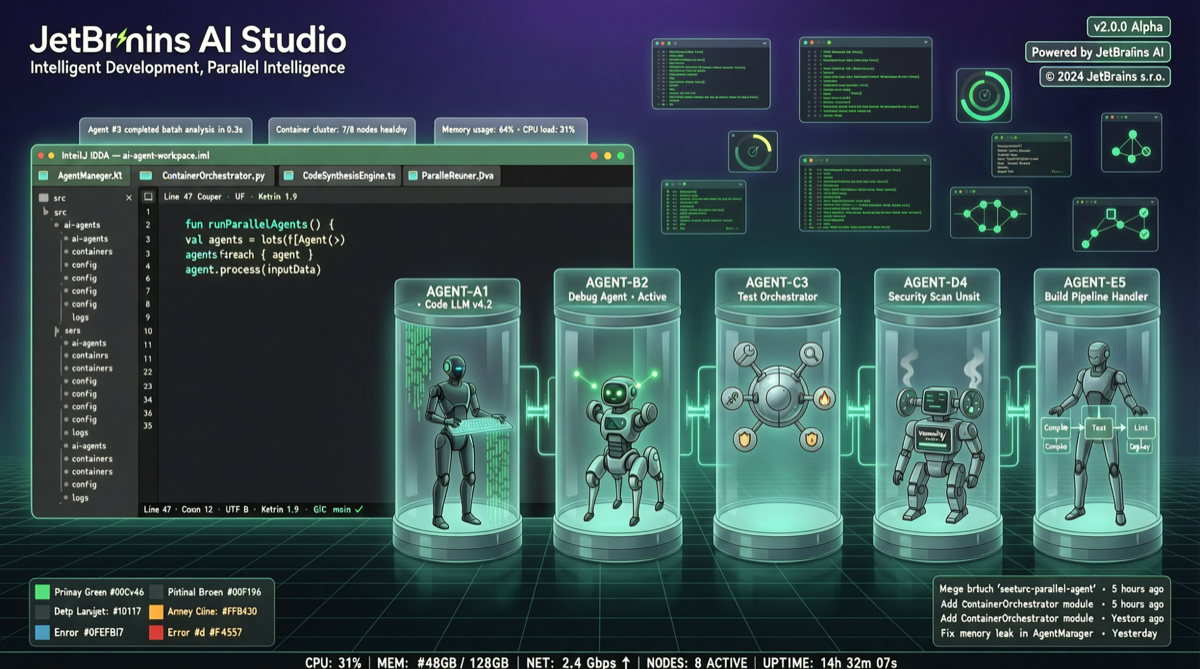
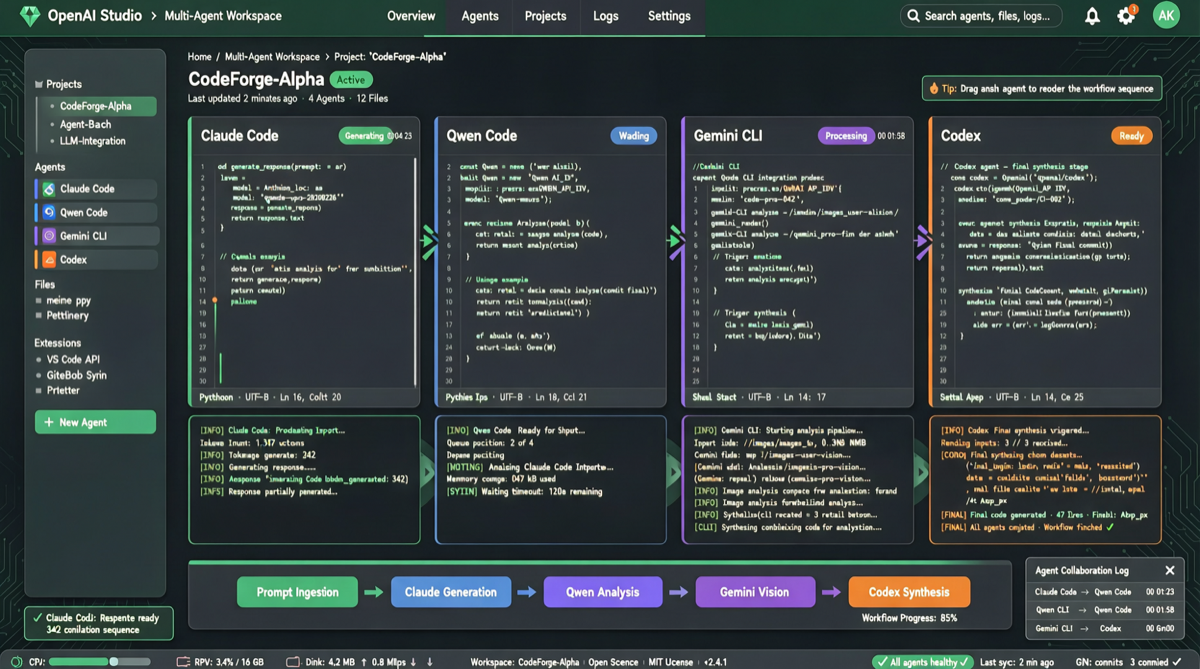
JetBrains launched Air, a new standalone desktop tool that integrates Codex, Claude Agent, and Gemini CLI into a unified control center, supporting task distribution, parallel execution, Docker/Git worktree isolation, and integrated code review.
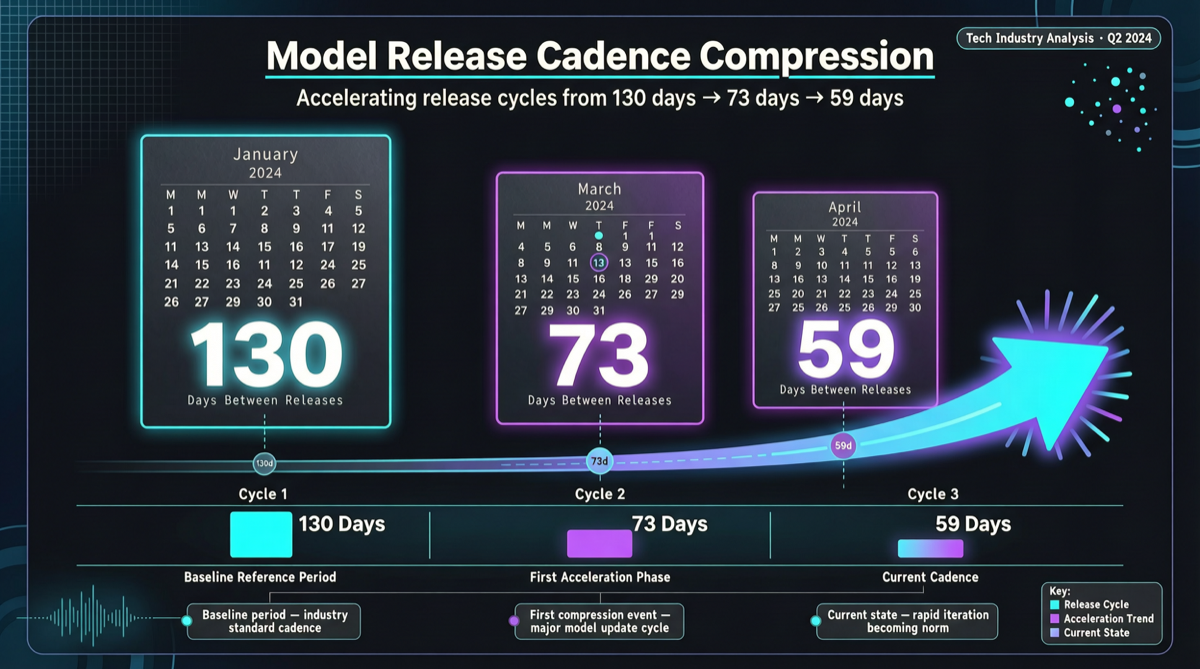
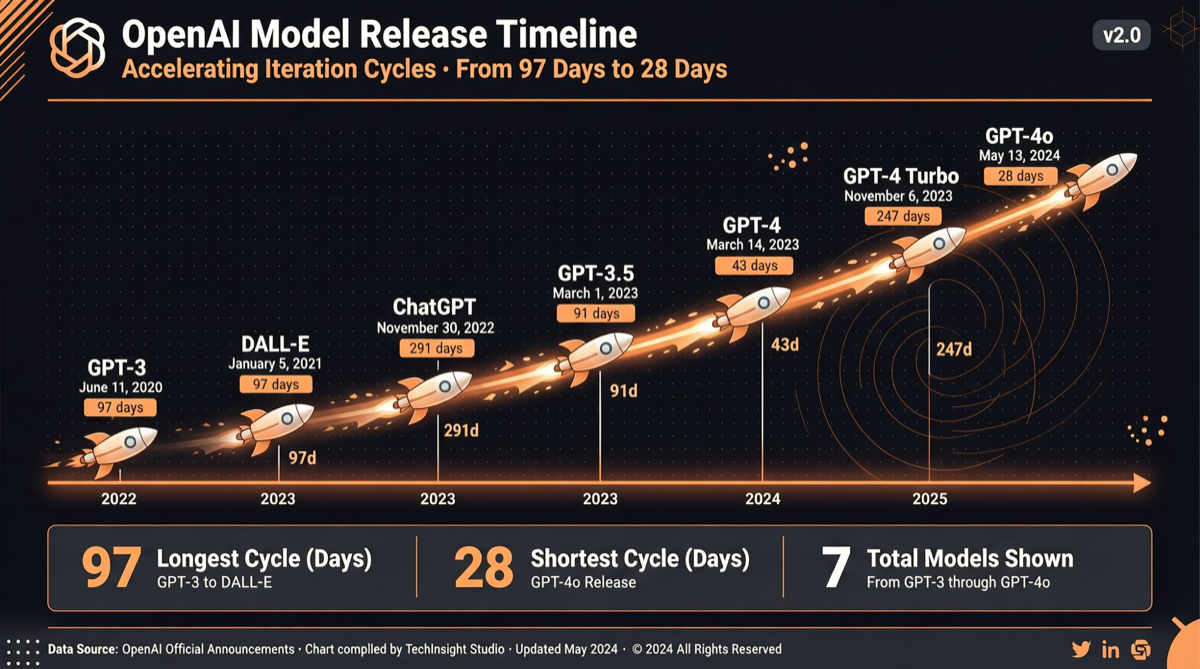
Data tracking shows Claude release intervals are compressing rapidly: Sonnet 4→4.5 took 130 days, Opus 4.5→4.6 took 73 days, Opus 4.6→4.7 took only 59 days. Teams pinning model versions in production need quarterly upgrade planning; annual planning is obsolete.
NVIDIA officially releases DeepSeek V4 performance data on Blackwell platform: 1.6 trillion parameter MoE model achieves 20x per-token cost reduction with native support for 1M token context. Agentic AI inference is reshaping chip platform design logic.
Google has quietly shut down Project Mariner — the Chrome browser AI Agent highlighted at last year's I/O conference. Team members have been reassigned and technology will be integrated into other projects. This reflects the impact of OpenClaw-style agents on big tech in-house solutions.
Nvidia launches XFRA node solution: 16 Blackwell RTX Pro 6000 GPUs + 4 AMD EPYC CPUs + 3TB RAM, packaged in a Dell PowerEdge rack installed next to home AC condensers. Homeowners pay nothing and earn revenue share. Decentralized AI compute is becoming reality.
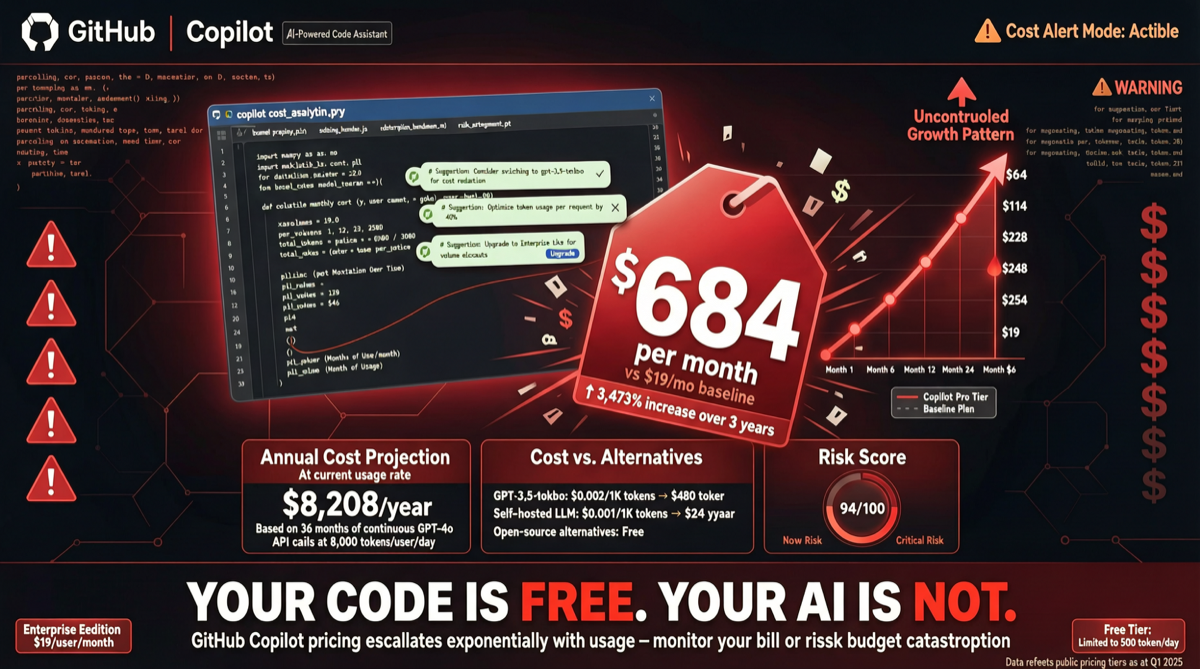
GitHub Copilot announces massive rate multiplier increases for Claude and Codex models starting June 1 for Pro/Pro+ subscribers. Claude Opus 4.5 jumps from 3x to 15x, Codex models see similar hikes, effectively doubling developer costs overnight.
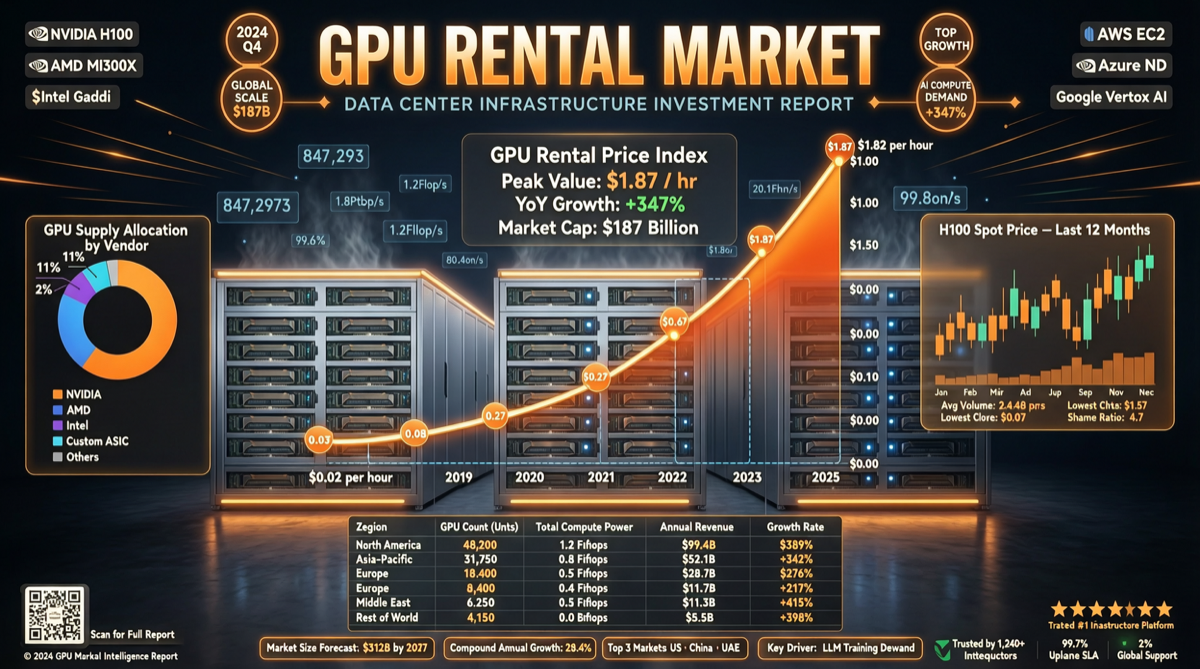
IREN (formerly Iris Energy, pivoted from Bitcoin mining) announces $625M acquisition of Mirantis, gaining 1,500+ enterprise clients and the k0rdent AI platform with Nvidia AI Cloud Ready certification. GPU rental prices continue climbing—H100 monthly rate hits $2.39. This marks the Neocloud industry's shift from pure compute to full-stack AI cloud services.
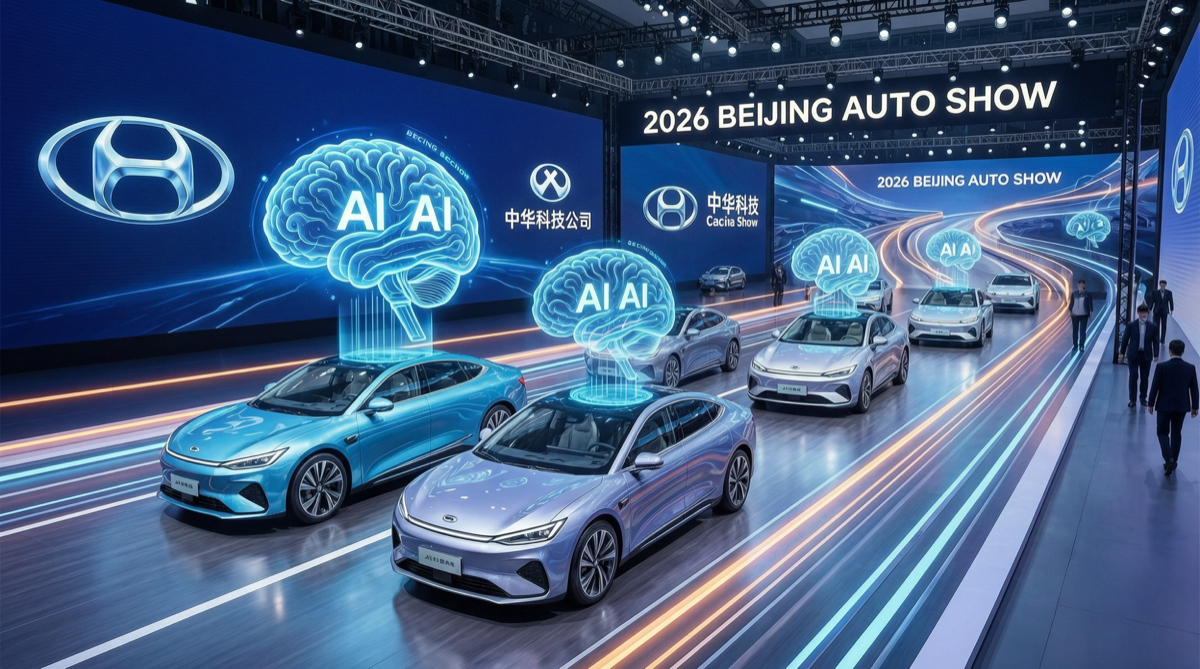
At the 2026 Beijing Auto Show, 50+ car brands announced Doubao AI integration, while Alibaba Qwen secured partnerships with BYD, Li Auto, Geely, and a VW joint venture. On the surface, an AI arms race; beneath, a battle for in-car AI control.
Chrome MCP Server, built on a Chrome extension, enables AI assistants to directly control the browser via the MCP protocol. It supports browser automation, content analysis, and semantic search while fully preserving user login states and extension configurations — solving the pain point of traditional automation tools requiring re-login.
Pfizer CEO Albert Bourla publicly highlights the company use of generative AI platform "Vox" to accelerate drug discovery and cancer breakthroughs. This is a landmark signal that pharma giants are upgrading generative AI from experimental tool to core R&D infrastructure.
The US House Homeland Security Committee and Select Committee on China formally issued investigation letters to Airbnb and Anysphere (Cursor parent company) on April 29, alleging that their use of Alibaba Qwen and Moonshot AI models may pose national security risks, escalating US-China AI decoupling pressures.
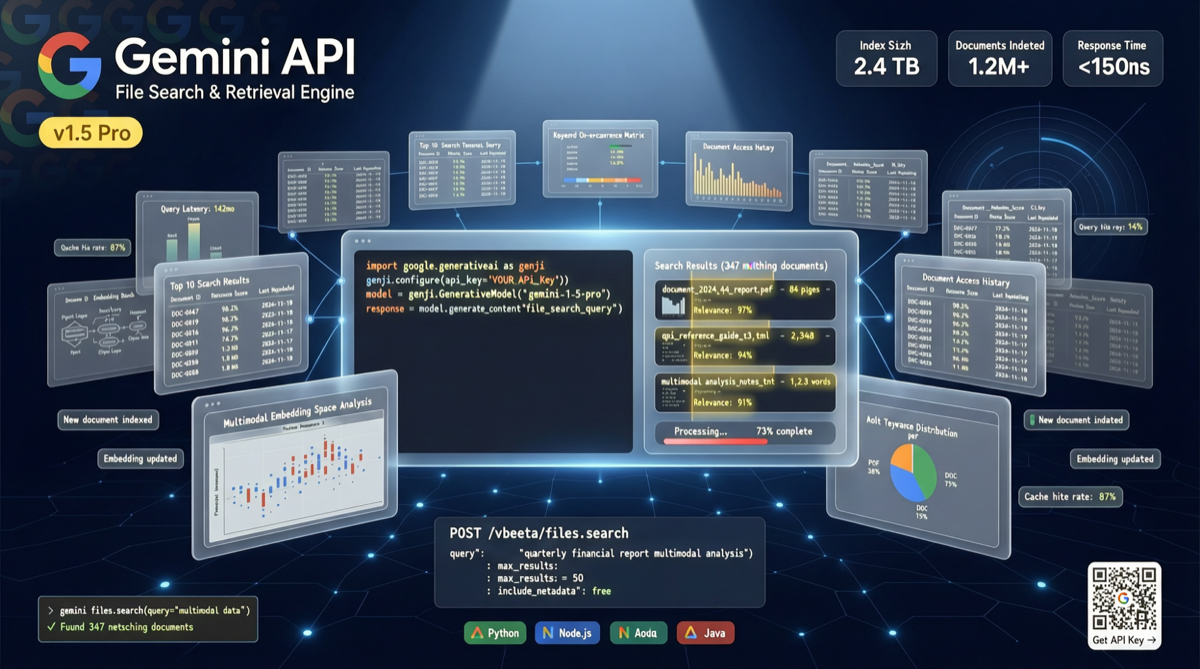
Google released three key updates for Gemini API File Search: native image and text joint processing, custom metadata for accelerated retrieval, and page-level citations for precise grounding. These updates make Gemini API a stronger infrastructure for building multimodal RAG applications.
Macmillan, McGraw-Hill, Cengage and other major educational publishers jointly sue Meta, alleging "one of the most massive infringements of copyrighted materials in history," claiming Llama model training data included large amounts of copyrighted textbooks and academic content. This is the latest escalation in AI copyright litigation.
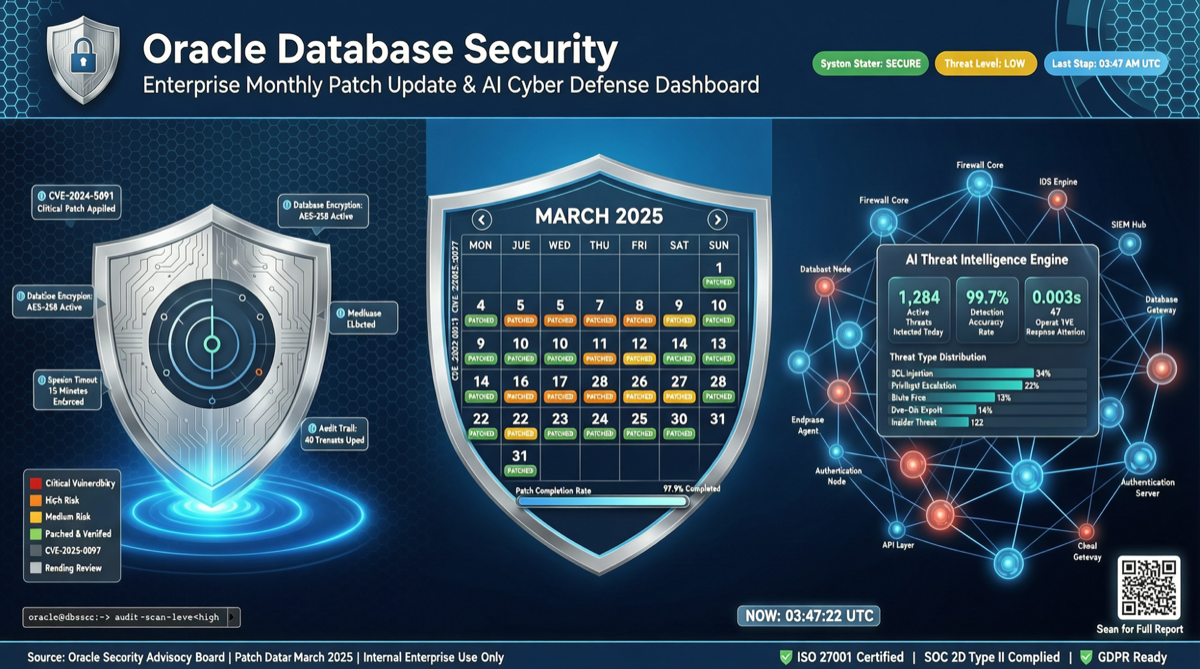
Oracle announces that starting May 2026, critical security patches will shift from quarterly to monthly releases, breaking a 20+ year update rhythm. The official reason explicitly cites frontier AI model acceleration as the driver. Enterprise security teams need to reassess vulnerability management processes.
US House Homeland Security and Select Committee on China formally sent investigation letters to Airbnb and Anysphere (Cursor parent) on April 29, alleging use of Alibaba Qwen and Moonshot AI models poses national security risks. This is the first congressional-level review of Chinese AI model going global.
As AI Agents gain browser access capabilities, an overlooked security risk is emerging: most Agents perform zero security checks before opening arbitrary URLs. Community solutions like Safe Web Confidence Protocol implement pre-browsing verification, multi-layer validation before page loading to prevent phishing, malware, and token drain attacks.
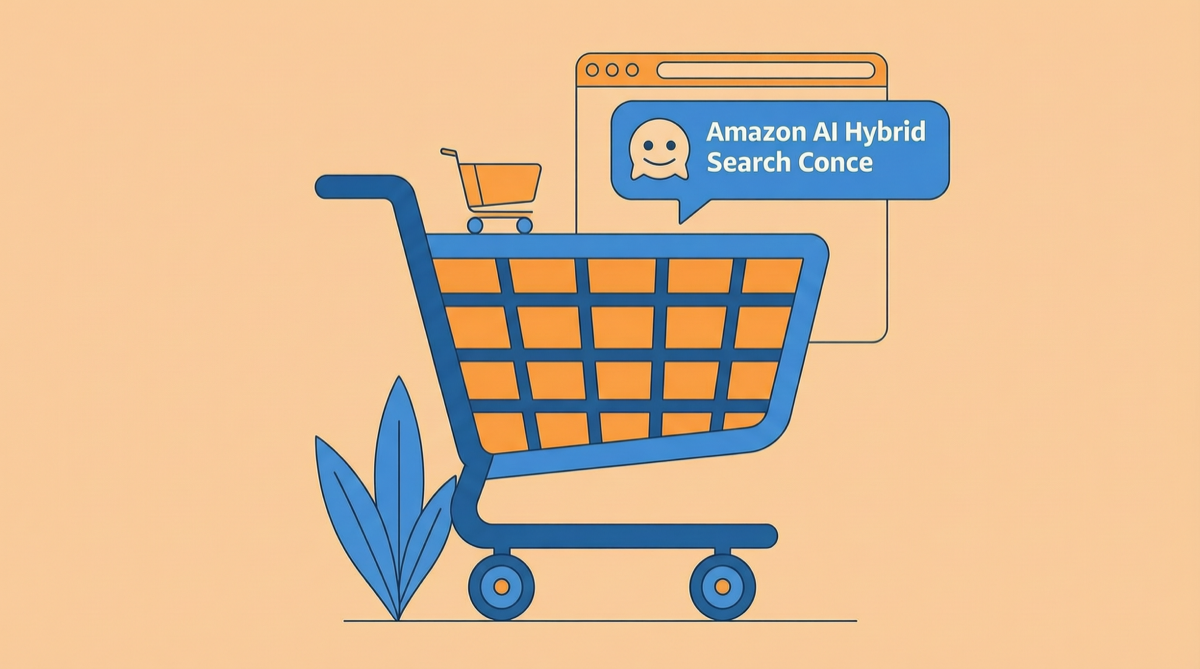
Amazon is testing a "hybrid mode" that integrates its Rufus AI chatbot into the search results page, where users searching for products may see both traditional listings and AI recommendations simultaneously. This is a landmark event in the e-commerce search paradigm shift from keyword matching to intent understanding.
Cursor official team packages their internal CI, code review, release, testing workflows into an open-source plugin — 17 Skills, 1 Agent, and 2 Rules — installable with a single command to replicate best practices from a top AI coding team.
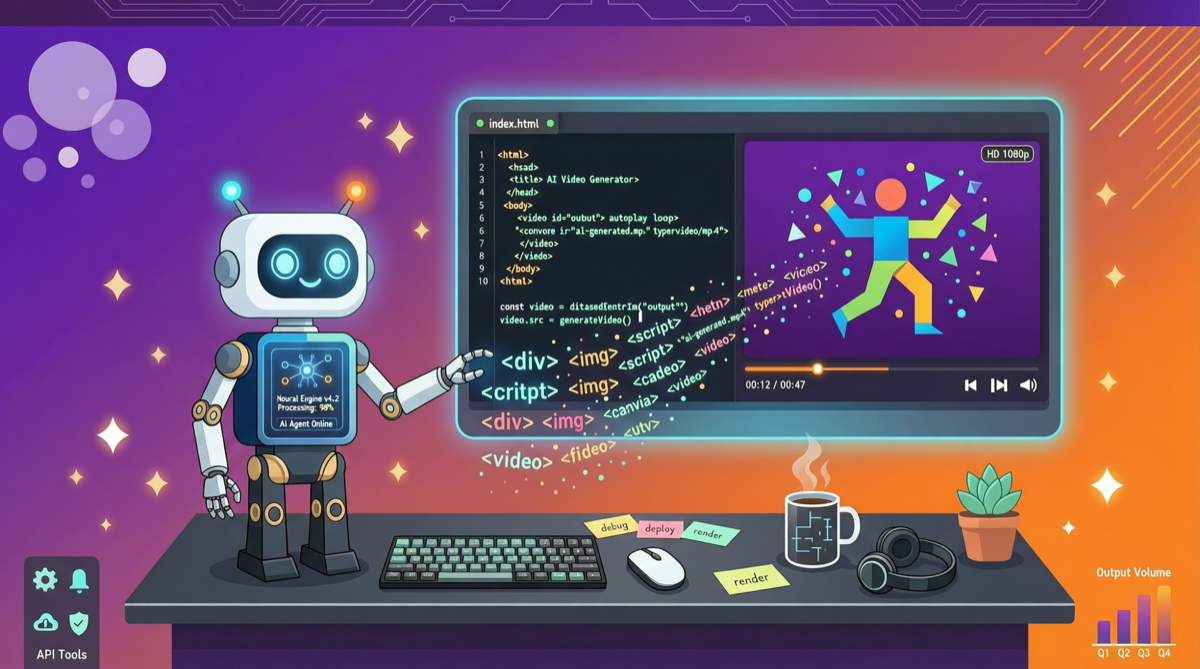
Hermes Agent officially integrates the HeyGen HyperFrames skill, enabling agents to directly generate HTML-native video content. No external video rendering services needed — agents have full control over the final output. This is a key step in expanding agent capabilities from "text + code" to "multimedia content production."
MathWorks officially releases MATLAB Agentic Toolkit, directly integrating top AI agents like Claude Code and OpenAI Codex into MATLAB/Simulink workflows. Agents can connect to local MATLAB environments in real-time to execute simulations, generate models, and analyze data without leaving the agent interface.
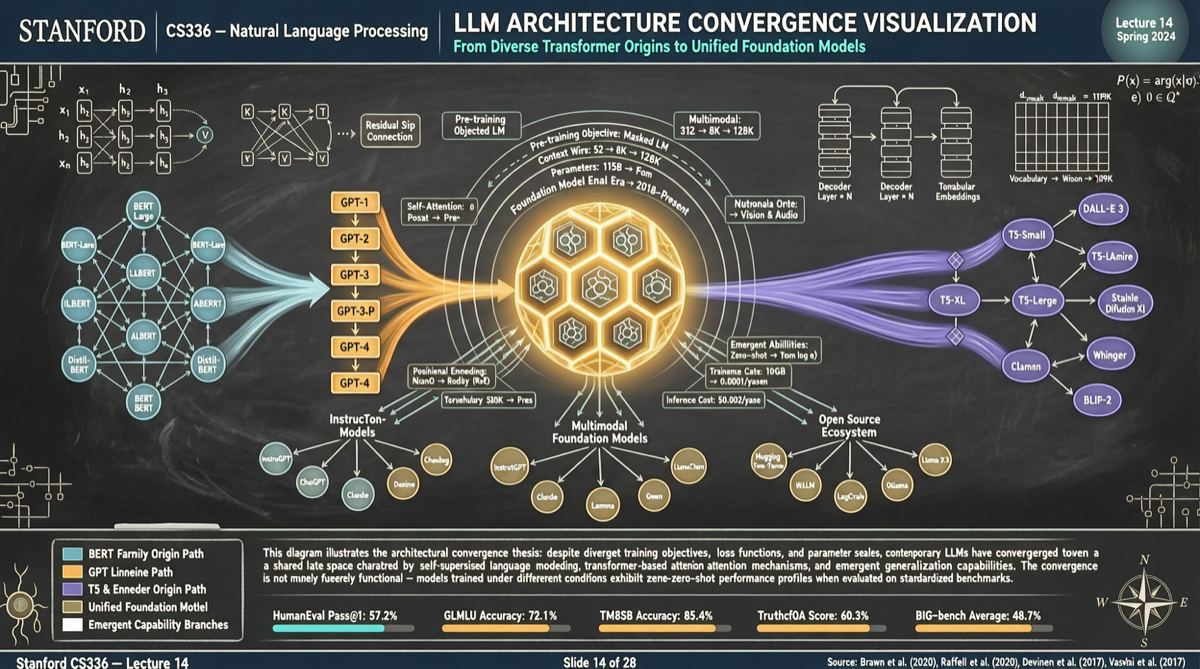
Stanford CS336 course dissects all mainstream LLMs from the past 3 years, finding 90% of architectural choices have converged. 2024 was "cosplaying Llama 2," 2025 was "how to train without collapsing," so what is 2026 about?
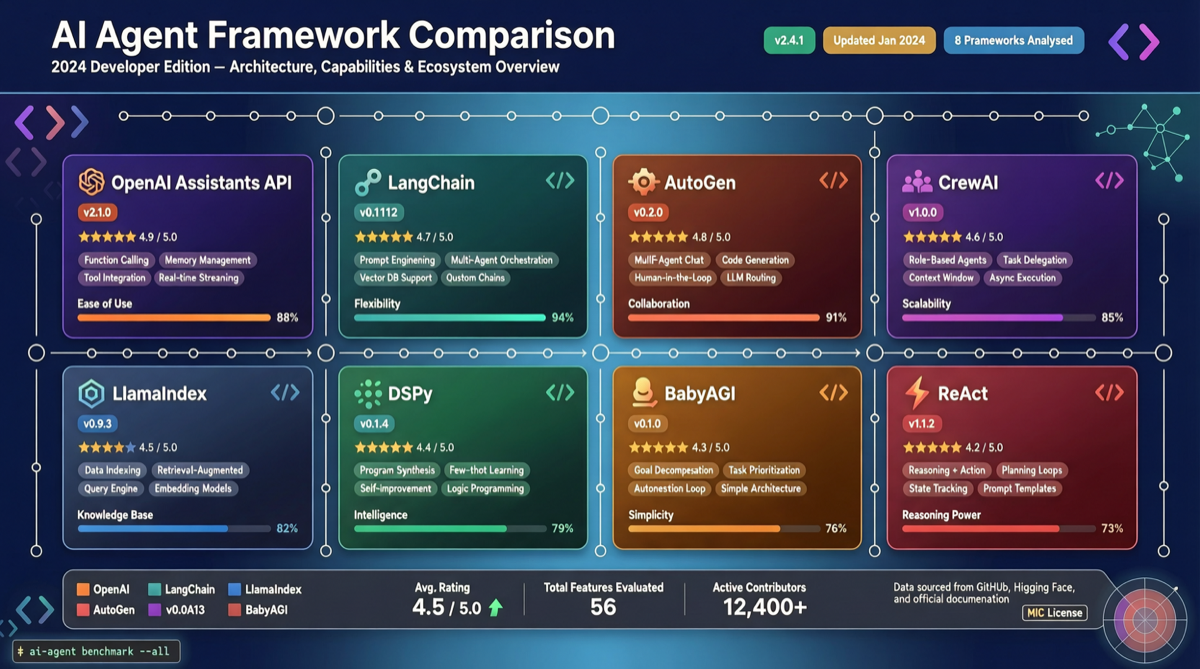
Steel team updated their Agent Cookbook, implementing the same task with the same toolset across LangChain, Mastra, Pydantic AI, Vercel AI SDK, Anthropic Agent SDK, OpenAI Agent SDK and eight major frameworks. This provides developers with the most comprehensive framework comparison reference.
Hermes Agent releases v0.12.0 with new Achievements system, Kanban board management, and Curator auto-management features — significantly boosting autonomous operation capabilities of open-source AI agents.
On May 1, 2026, six national cybersecurity agencies from the Five Eyes alliance jointly released the first Agentic AI security guide, systematically proposing five risk classification categories — privilege, goal alignment, deception, emergent capabilities, and isolation strategies — directly usable for enterprise agent deployment audits.
TrendAI research confirms attackers are actively exploiting MCP server vulnerabilities to steal credentials, leading to full cloud compromise. 48% of MCP configs store sensitive data in plaintext, with 15 lookalikes for every official server. MCP security has moved from theoretical risk to active threat.
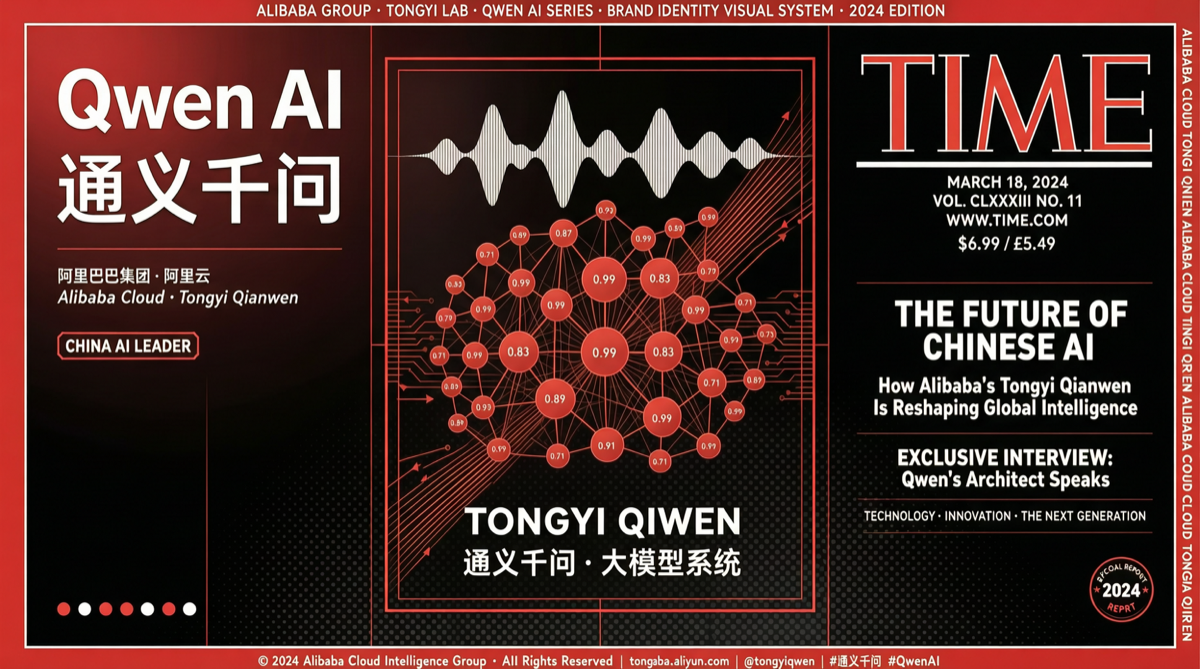
TIME magazine has released its 2026 Top 10 Most Influential AI Companies list, with Qwen being the only Chinese open-source model project selected. TIME recognizes Qwen for building a full-stack AI ecosystem through open-source innovation, with its model series gaining widespread global adoption.
Confirmed by NYT and Politico, the Trump administration is considering an executive order to establish pre-release review for frontier AI models. This will profoundly impact product cadence at OpenAI, Anthropic, Google, and others.
NVIDIA CEO states on CNBC interview that compute demand has grown 1000% from generative AI to Agentic AI. Also reveals Vera Rubin platform designed specifically for Agent workloads, delivering 400+ tokens/sec per user. Hyperscaler capex reaches $725B in 2026, GPU supply remains tight.
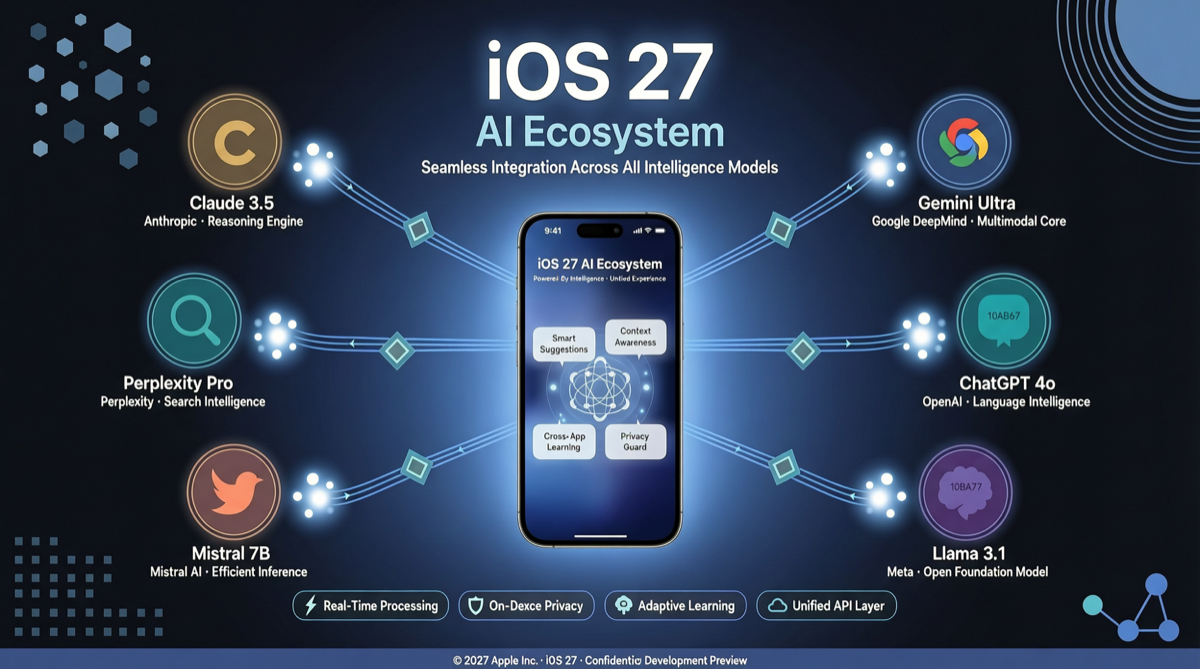
Apple plans to introduce an AI Extensions system in iOS 27, allowing users to choose third-party AI models (Claude, Gemini, etc.) as alternatives to Apple Intelligence. This marks a major shift in Apple AI strategy from closed to open, reshaping the mobile AI competitive landscape.
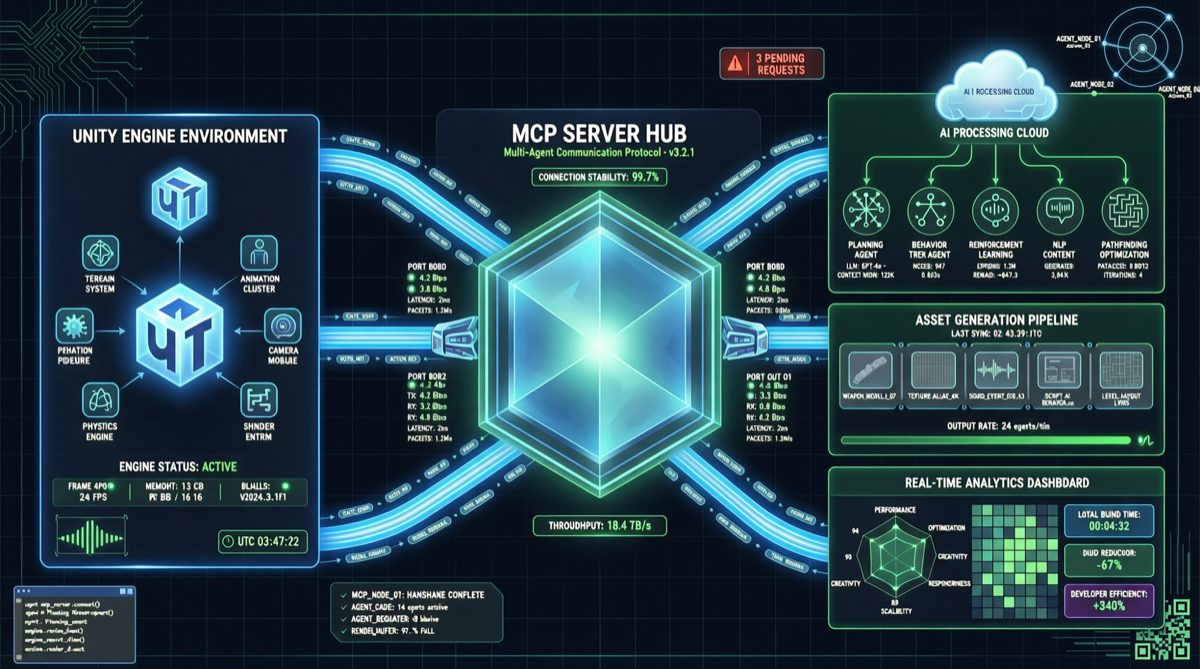
Unity announces its AI toolchain enters public beta, featuring a built-in AI Agent tuned for Unity workflows, alongside open AI Gateway and MCP Server interfaces allowing developers to connect any AI tool. The 2M+ view official tweet shows strong demand from the game development community for AI assistance.
Elon Musk vs OpenAI trial enters second week of hearings. Core dispute focuses on whether OpenAI transformation from non-profit to commercial entity violated founding mission. Trial outcome will have far-reaching impact on AI industry governance structures.
Pika Labs releases Pika Agents, upgrading video generation from single prompt input to Agent-driven autonomous creation workflow, supporting multi-step editing, style transfer, and storyboard planning, marking the shift of AI video tools from "toys" to "productivity tools".
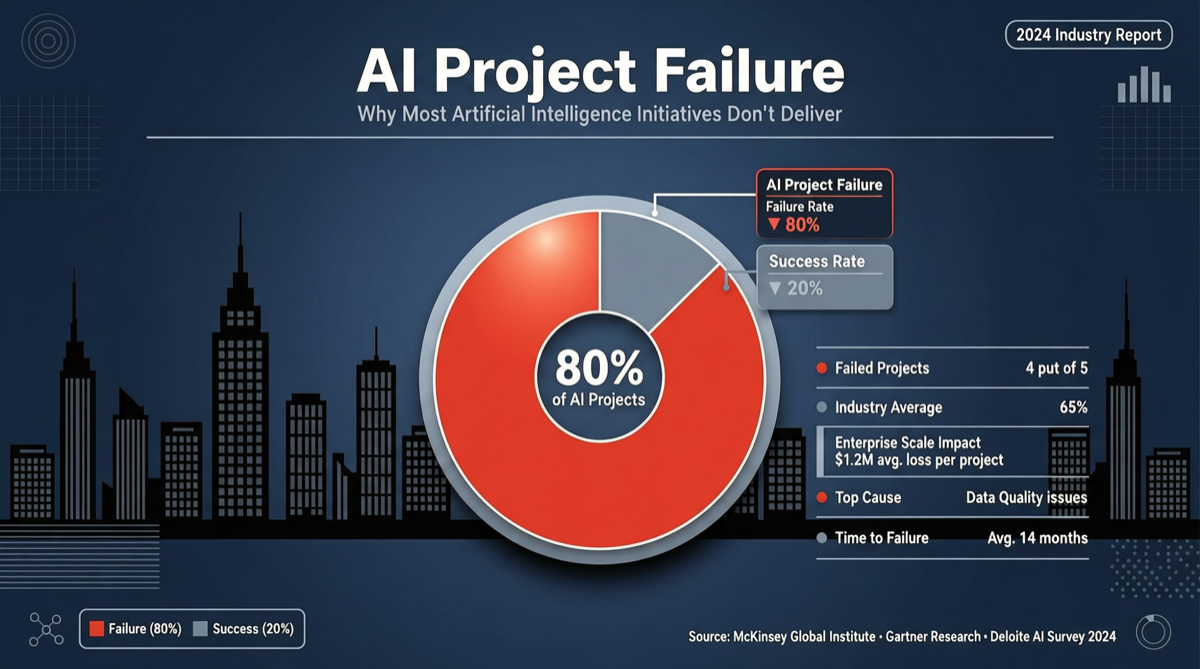
RAND Corporation 2025 research reveals 80.3% of AI projects fail to deliver expected business value: 33.8% abandoned before production, 28.4% deployed with no effect, 18.1% cannot justify costs. Data exposes the deepdilemma of enterprise AI adoption.
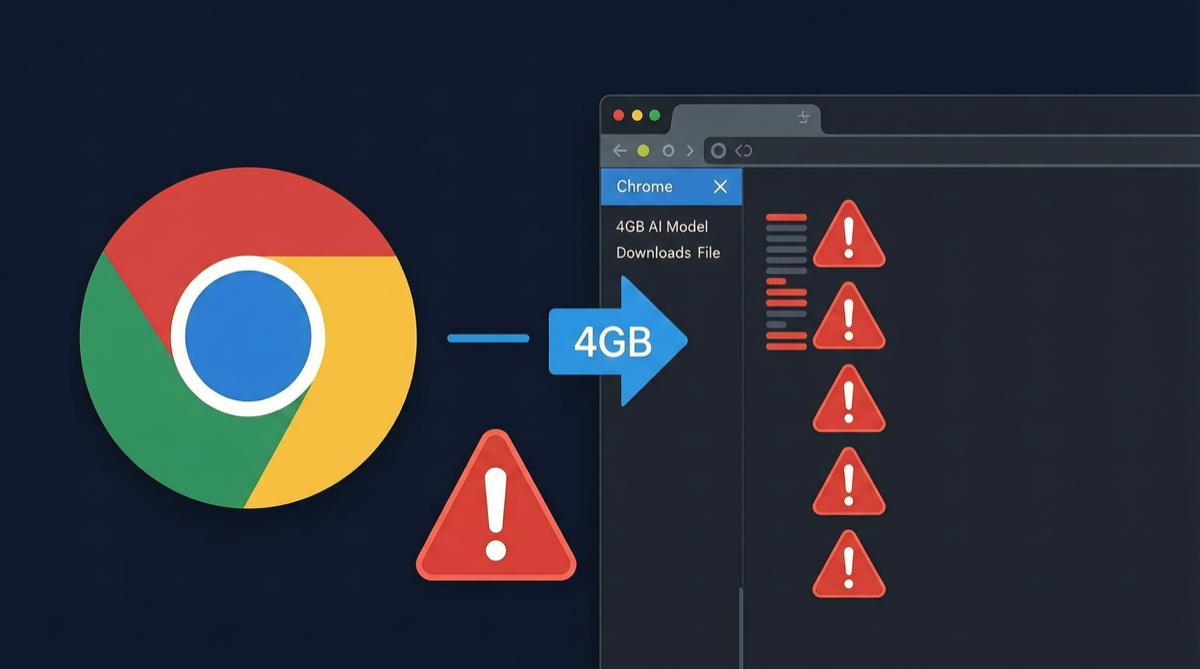
In May 2026, users discovered Chrome was silently downloading a 4GB Gemini Nano AI model in the background with no popup, no opt-out option, and automatic re-download after manual deletion. This has sparked widespread controversy over user consent, storage usage, and environmental costs.
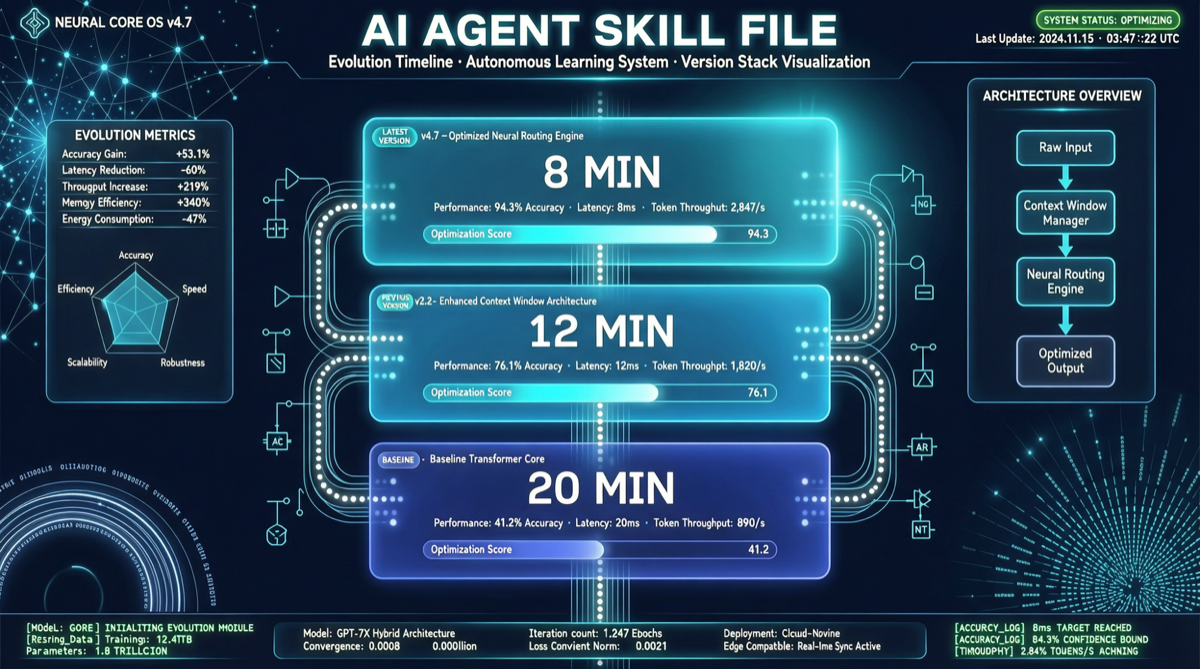
A developer shared their real experience with Hermes Agent: the same skill file was automatically rewritten four times over six weeks, completing the same competitive briefing task from 20 minutes down to 8 minutes. The user never edited a single line — the Agent optimized itself. This reveals the critical shift of AI Agents from "tools" to "autonomous workers."
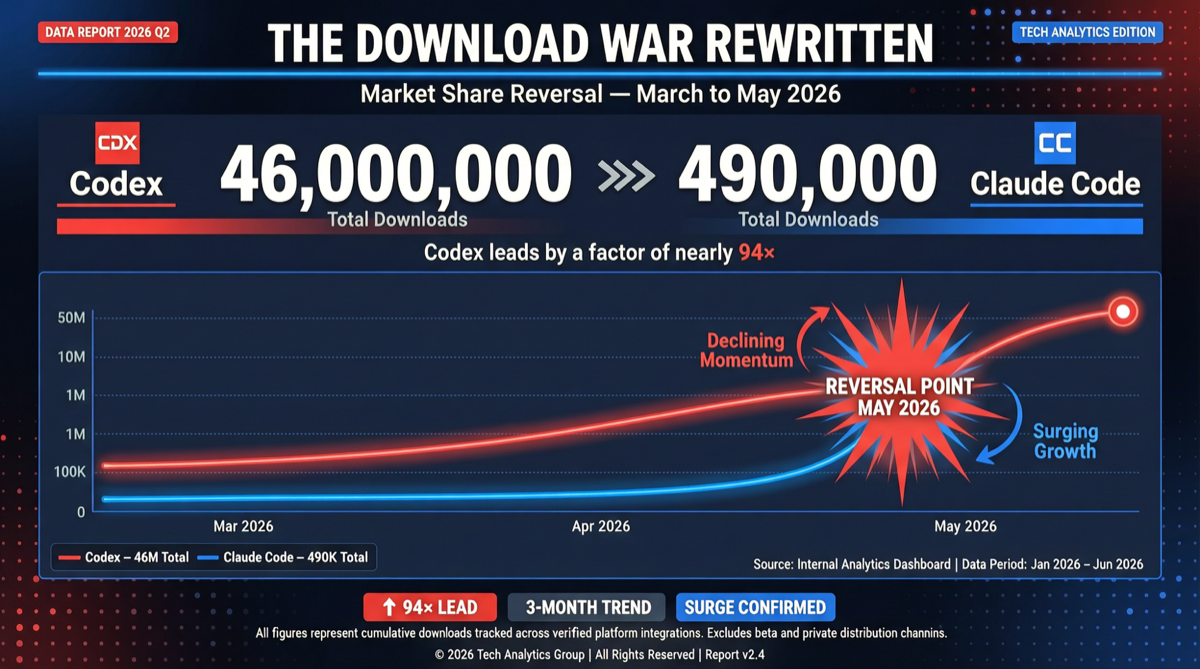
On April 30, 2026, OpenAI Codex and Anthropic Claude Code experienced a historic crossover in weekly downloads: Codex hit 46 million weekly downloads while Claude Code dropped to just 490K. The landscape where Claude Code dominated with tens of millions of downloads through March and April has been completely flipped in just one month.
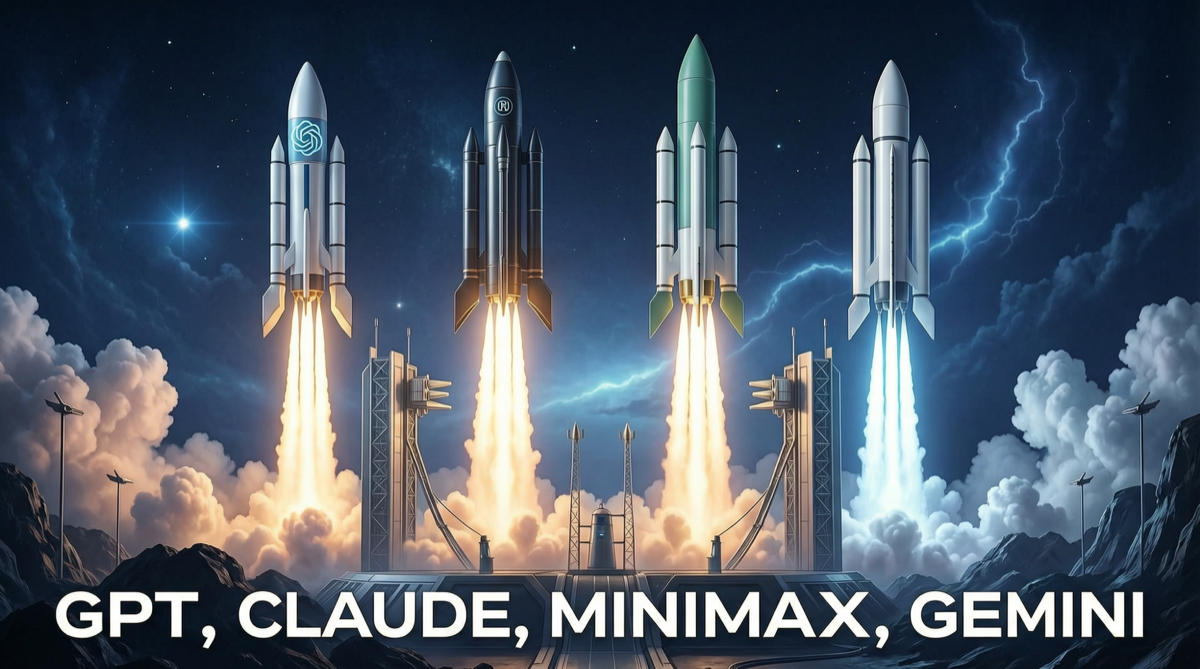
May 2026 could be the mostdense model release month in AI history: GPT 5.6, Claude Sonnet 4.8, MiniMax M3, Gemini 3.5 all expected to launch within the same window. Reviewing signals, predicting timelines, and the real impact of this "model arms race" on developers and enterprises.
Open source Cowork officially released, supporting Claude Code, Gemini CLI, Qwen Code, Codex and other mainstream Coding Agents. Running 24/7 online with a unified interface for centralized management of multiple AI Agents, all operations are locally transparent and controllable, gaining significant community attention.
Per FT reports, Huawei AI chip revenue is projected to grow 60% in 2026 to ~$12B, as Chinese tech giants collectively shift from Nvidia to Huawei Ascend chips, accelerating domestic AI compute ecosystem.
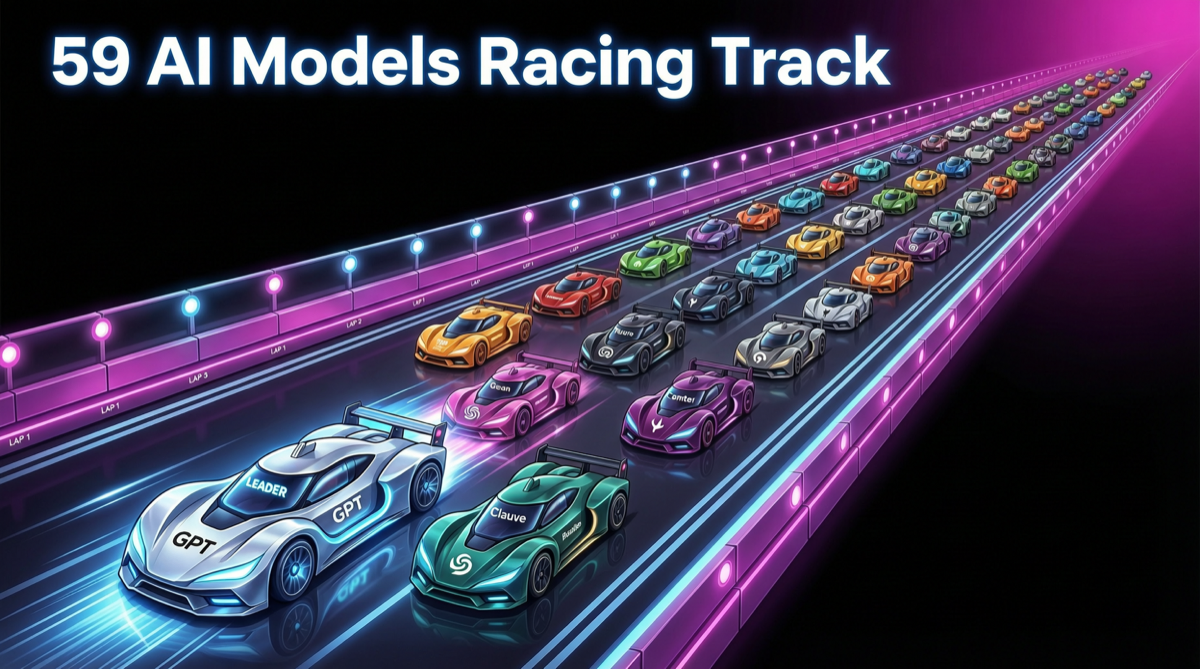
59 major AI models have been released in the first 5 months of 2026, with GPT-5.5, Claude Opus 4.7, Gemini 3.1 Ultra, and DeepSeek V4 arriving densely. May will see GPT-5.6, Sonnet 4.8, Gemini 3.5, and MiniMax M3 concentrated releases. Model iteration speed has compressed from "annual updates" to "monthly updates," making model-agnostic architecture a "must-have" rather than "nice-to-have."
The State of AI May 2026 report reveals that Anthropic Claude Mythos Preview and OpenAI GPT-5.5 both passed UK AISI's 32-step full corporate network intrusion simulation (no defenders). AI cyber attack capabilities are doubling every 4 months. With Colorado AI Act and EU AI Act taking effect, AI security compliance enters a mandatory era.
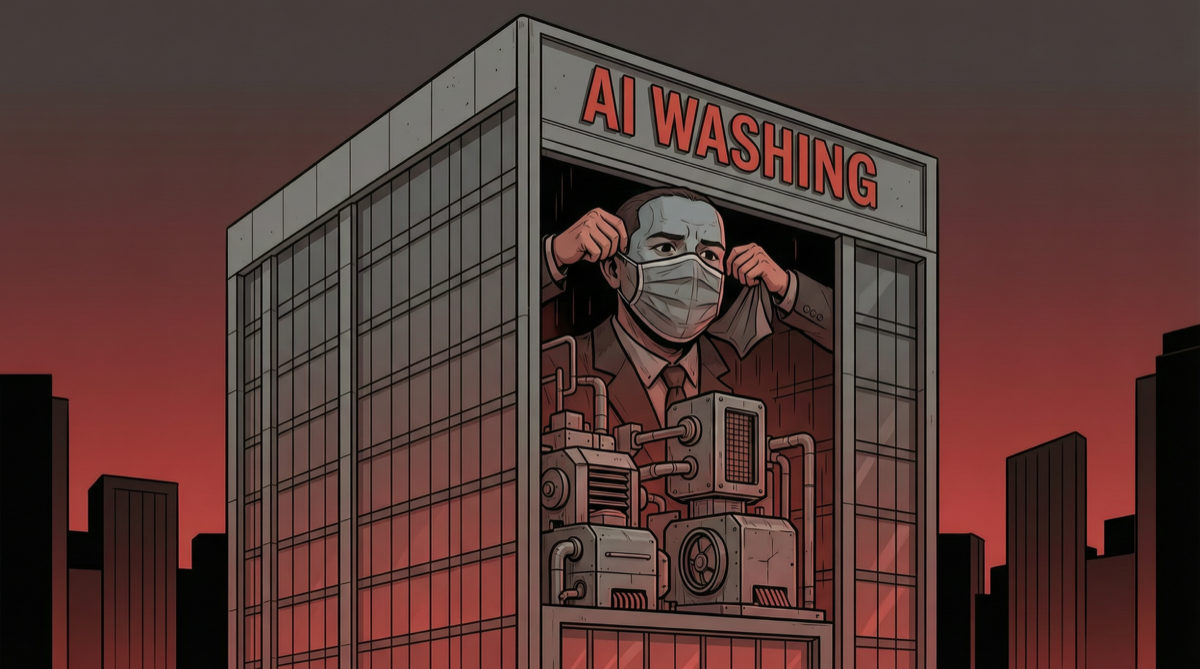
Tech industry layoffs surged in 2026, with many companies citing "AI transformation" as the reason. But independent investigations reveal most layoffs are unrelated to AI capabilities — companies are using AI narratives to mask the real intentions of cost-cutting and business restructuring. "AI Washing" is becoming a new PR strategy for corporate layoffs.
The US has proposed the world's first "AI content tax" — a 1% SlopTax on AI-generated content, with proceeds funding artists, researchers, and cultural institutions. This marks a shift in AI regulation from "model safety" to "economic impact," potentially becoming a bellwether for global AI taxation policy.
In 2026, excluding self-developed chips by internet giants, China's domestic high-performance AI inference chips will ship approximately 3 million units combined. Huawei Ascend has already shipped 150,000 910-series cards in Q1, with a full-year target of 750,000. ByteDance, Alibaba, and Tencent are voting with real money for domestic chips.
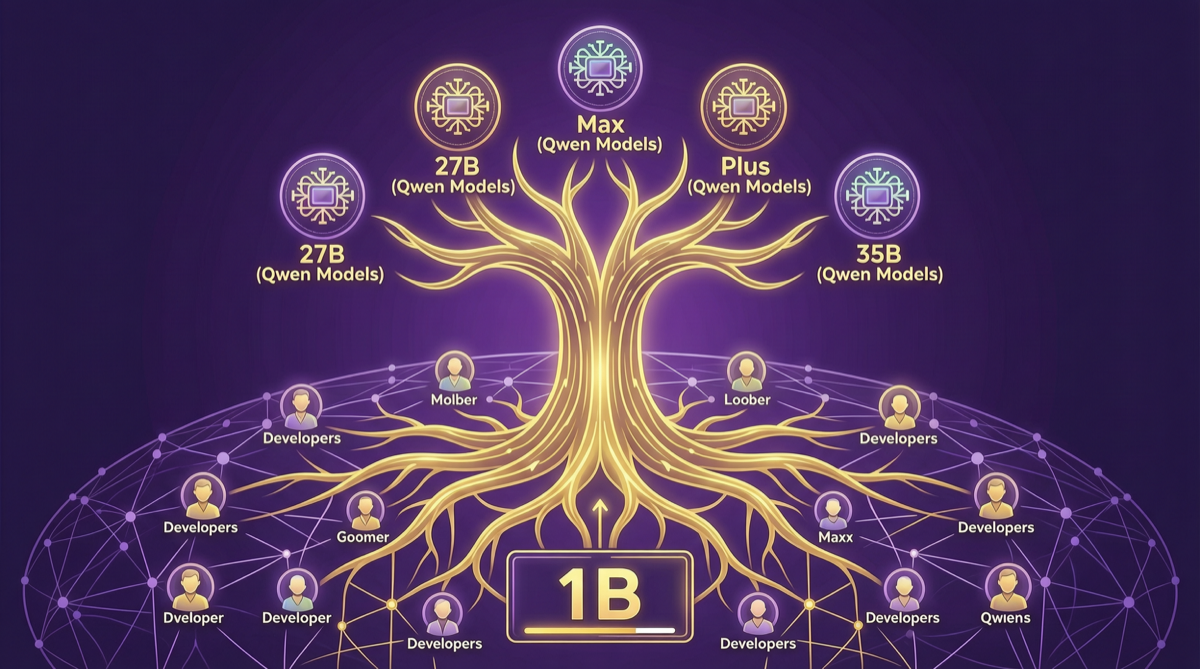
Qwen model series cumulative downloads exceed 1 billion, making it the world's most downloaded open source model family. From Qwen3.6's MoE architecture to the Scope interpretability toolkit, Alibaba is building a complete open source ecosystem covering models, toolchains, and developer community. This article analyzes Qwen's strategic layout and future direction.
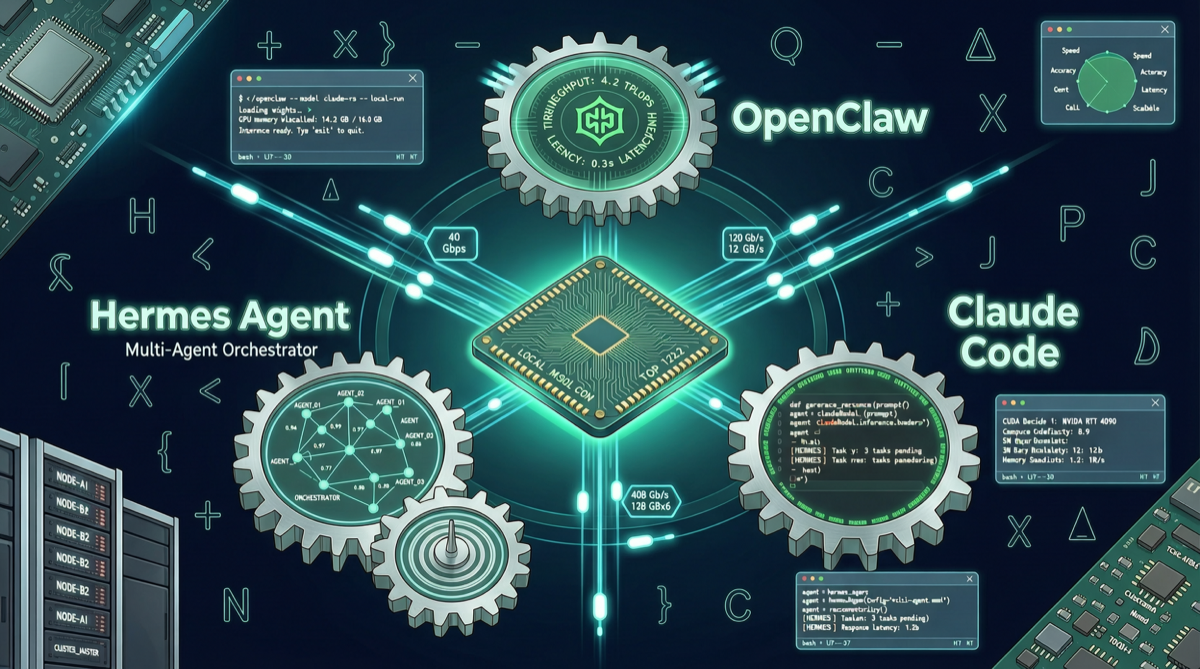
A growing community consensus: when running AI models locally, the choice of agentic harness matters more than the model itself. Countless developers complain their local models are "dumb" or "broken," but the root cause is often framework design flaws. This article compares the architectural differences and use cases of OpenClaw, Claude Code, and Hermes Agent — the three mainstream frameworks.
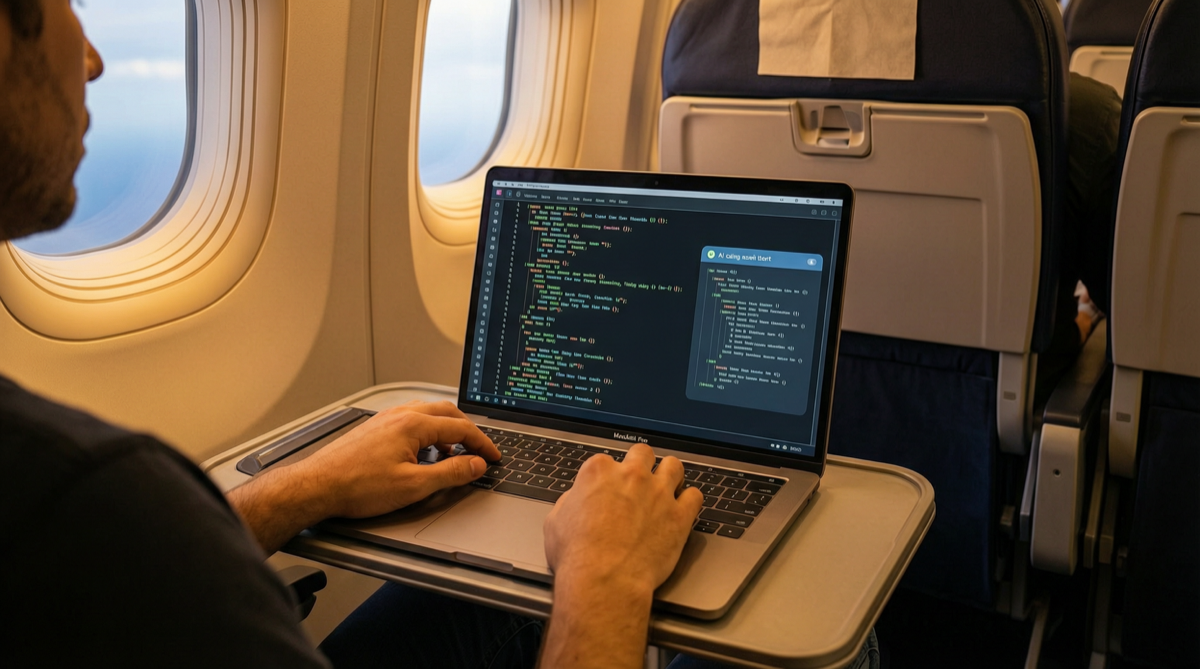
A Chinese engineer completed an entire client project during an 11-hour international flight using a MacBook Pro M4 (64GB RAM) with Meta's open-source model — zero network dependency, zero cloud fees. This article breaks down the local AI toolchain configuration, workflow design, and cost comparison, providing a replicable plan for offline AI development.
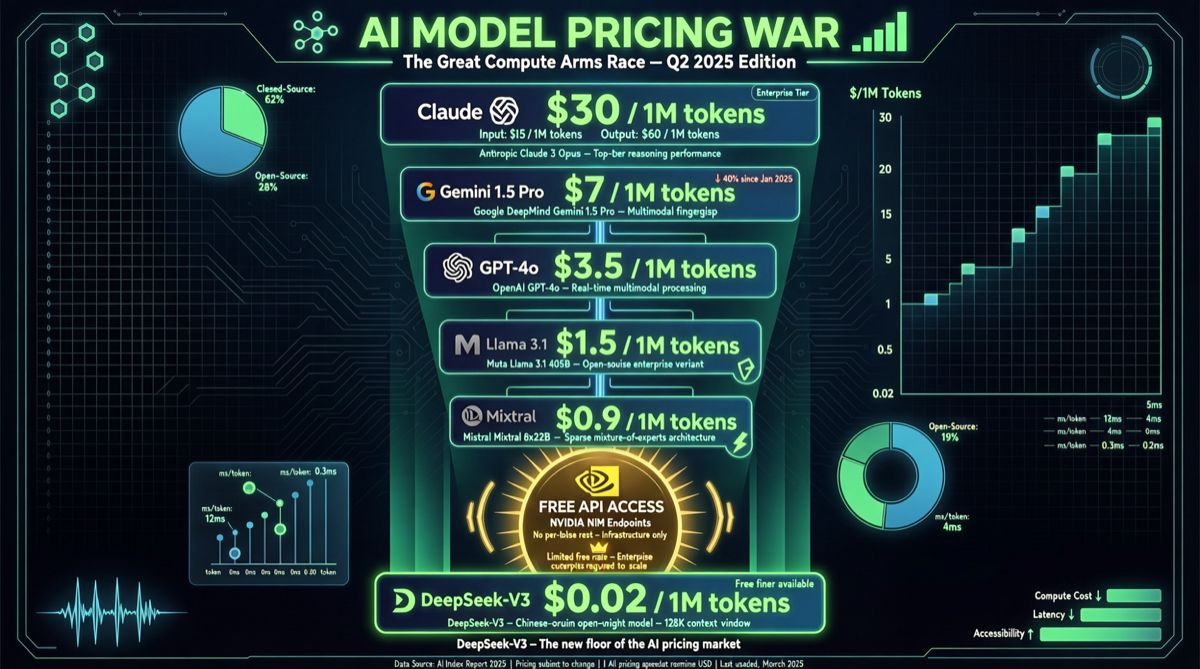
Q1 2026 data shows mainstream LLM API costs dropped 40-80% compared to 2025. The era of single-model usage has ended; the industry is shifting to multi-model parallel calling architectures. Intelligent routing that dispatches tasks to the most cost-effective model can reduce enterprise AI costs by over 60% while maintaining output quality.
In Q1 2026, the four major cloud providers announced a combined AI capex exceeding $700B, but the pace of model releases has clearly slowed. Industry competition is shifting from "model capability races" to infrastructure deployment, application landing, and governance system building. This article outlines the three core signals of this inflection point and its practical impact on developers and enterprises.
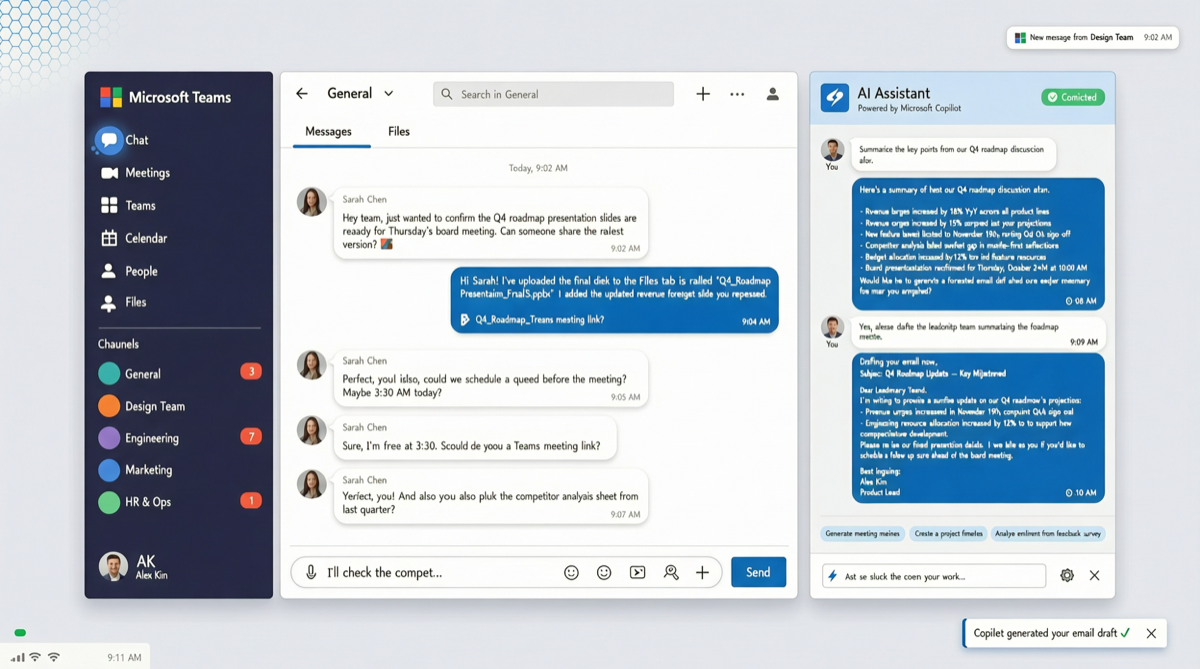
Perplexity Computer is now live in Microsoft Teams, enabling enterprise users to run research analysis, document creation, and other tasks directly within Teams workspaces. This is a key step in bringing AI Computer capabilities into enterprise collaboration platforms.
According to NYT, the White House is discussing an executive order to establish a pre-release review mechanism for AI models — requiring powerful models to undergo government review before public release. This marks a 180-degree reversal from the Trump administration previous "deregulate AI innovation" stance and could reshape the global AI regulatory landscape.
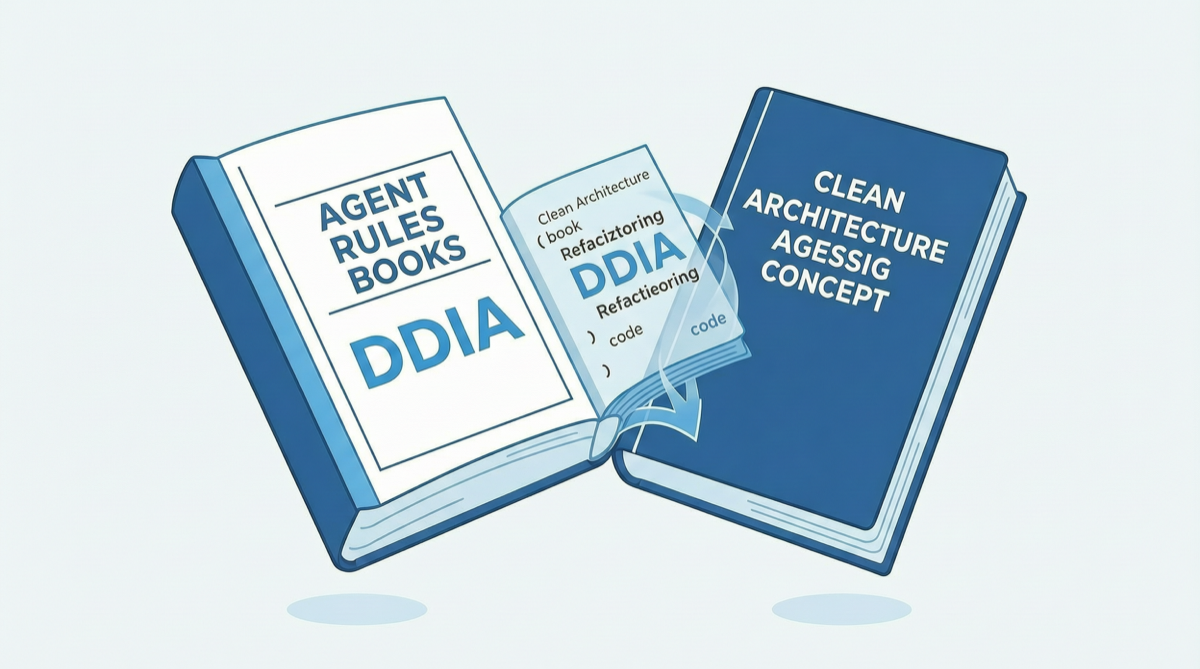
The emerging Agent Rules Books project on GitHub distills core principles from software engineering classics like Clean Architecture, Refactoring, and DDIA into rule files directly usable by Codex, Cursor, and Claude Code. With 931 stars and mini/nano/full sizes, it marks a new phase in the engineering of AI coding tools.
Anthropic has unlocked four core features for Claude free users within two weeks: file creation, Gmail integration, Skills system, and Memory. The Sonnet 4.6 model powering these features scores 79.6% on SWE-bench, just 8 percentage points behind the paid flagship Opus 4.7. The era of free AI as "second-class citizens" is coming to an end.
Anthropic unlocked four core features for Claude free users in two weeks: file creation, Gmail integration, Skills system, and Memory. The included Sonnet 4.6 model scores 79.6% on SWE-bench, only 8 percentage points behind the paid flagship Opus 4.7. The era of free AI as "second-class citizens" is ending.
Model Context Protocol (MCP) installs have surpassed 97 million, with all major AI vendors now supporting it. This open standard is dismantling $50-150 billion in AI vendor switching costs—developers can finally "build once, deploy everywhere."
A GitHub tutorial teaching developers to build AI agents from scratch without frameworks is rapidly gaining 1,500+ stars. The guide avoids LangChain, CrewAI, and other framework abstractions, instead walking developers through hand-coding every layer — from basic chat loops to autonomous agent teams.
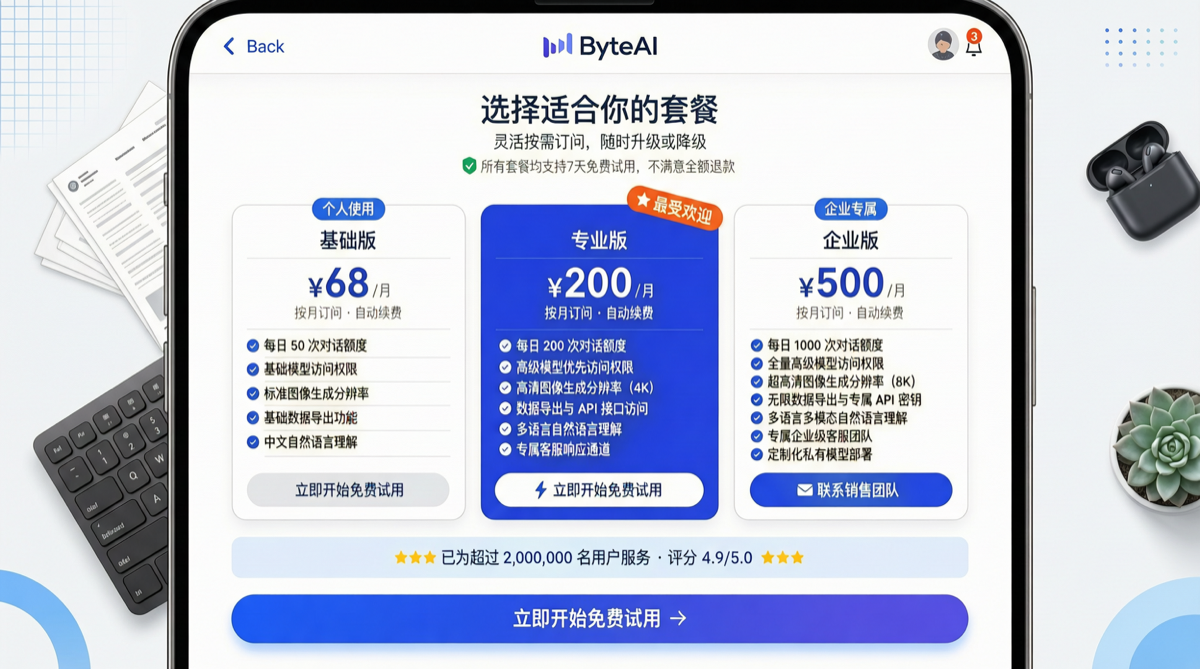
ByteDance's AI assistant Doubao updated its App Store page with a paid subscription statement, launching three tiers: Standard at ¥68/month, Enhanced at ¥200/month, and Professional at ¥500/month. Basic features remain free. This marks the first systematic paid model testing by China's most-used AI assistant, setting a pricing anchor for the entire domestic AI commercialization landscape.
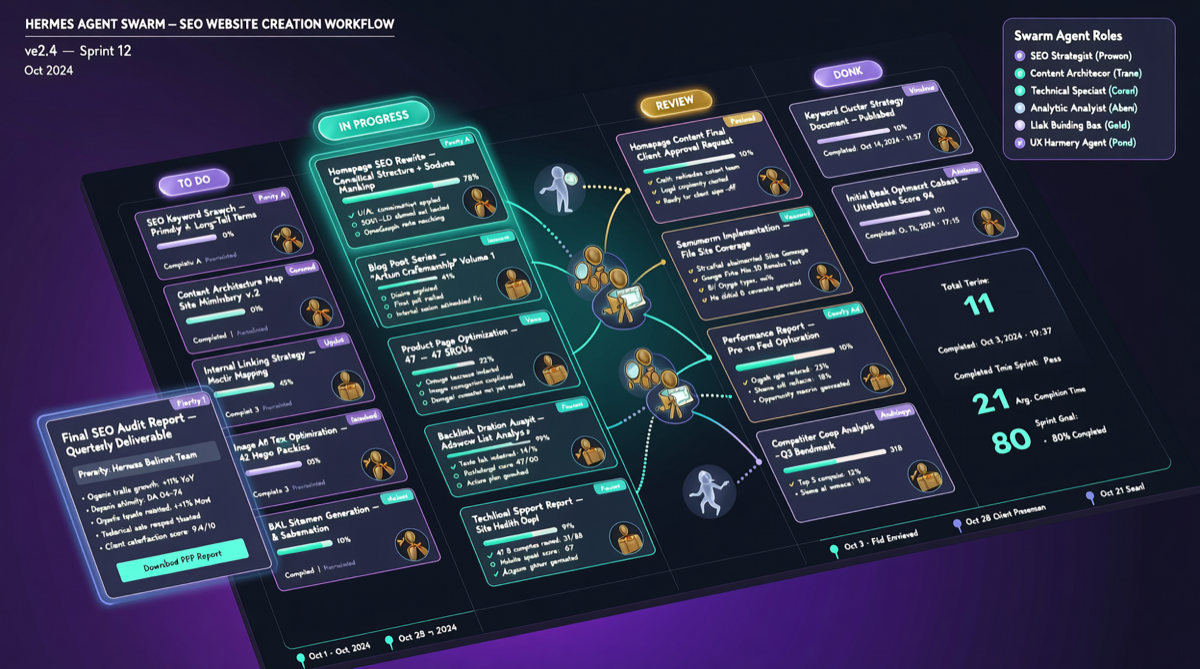
Hermes Agent Kanban Swarm feature is changing the open source Agent workflow paradigm. Users report generating complete 50-page SEO websites for free via a single hermes kanban create command, with the Agent automatically planning keyword clusters, content architecture, and link building strategies. This is a landmark case of multi-agent orchestration moving from theory to practice.
Replit celebrates its 10th anniversary, opening Replit Agent completely free for 24 hours, partnering with Anthropic and Google Cloud for a $100K Buildathon. 50M creators, 1 billion lines of code — Replit is transforming from an online IDE to an AI-native application development platform.
On April 29, 2026, the House Homeland Security Committee and the Select Committee on China jointly sent letters to Airbnb and Anysphere (Cursor parent), demanding explanations for using Qwen from Alibaba and Kimi from Moonshot AI. This is the first formal investigation by US legislators targeting specific company use of Chinese AI models, marking the shift of AI tech decoupling from policy discussion to enforcement.
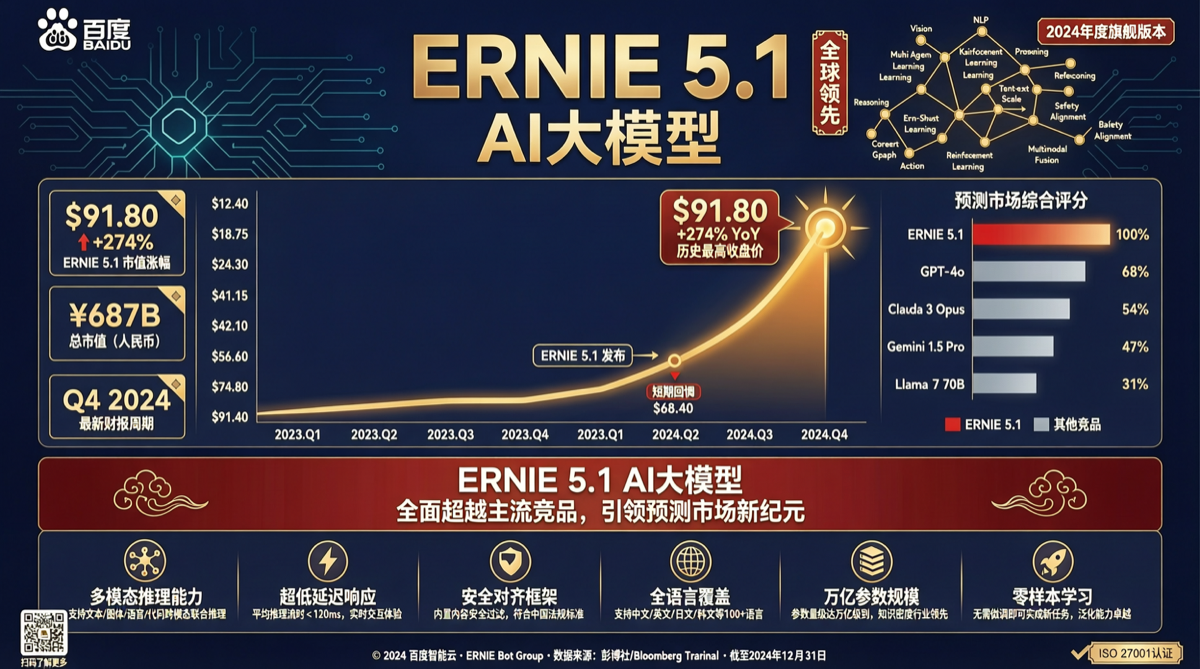
On April 29, 2026, Baidu quietly released ERNIE 5.1 Preview. Hours later, it appeared on LMSYS Arena scoring 1473, and on Polymarket prediction markets, Baidu surpassed Alibaba as the most popular Chinese AI company. This sentiment reversal reflects the Chinese AI competitive landscape evolving from "Alibaba dominance" toward multipolar competition.
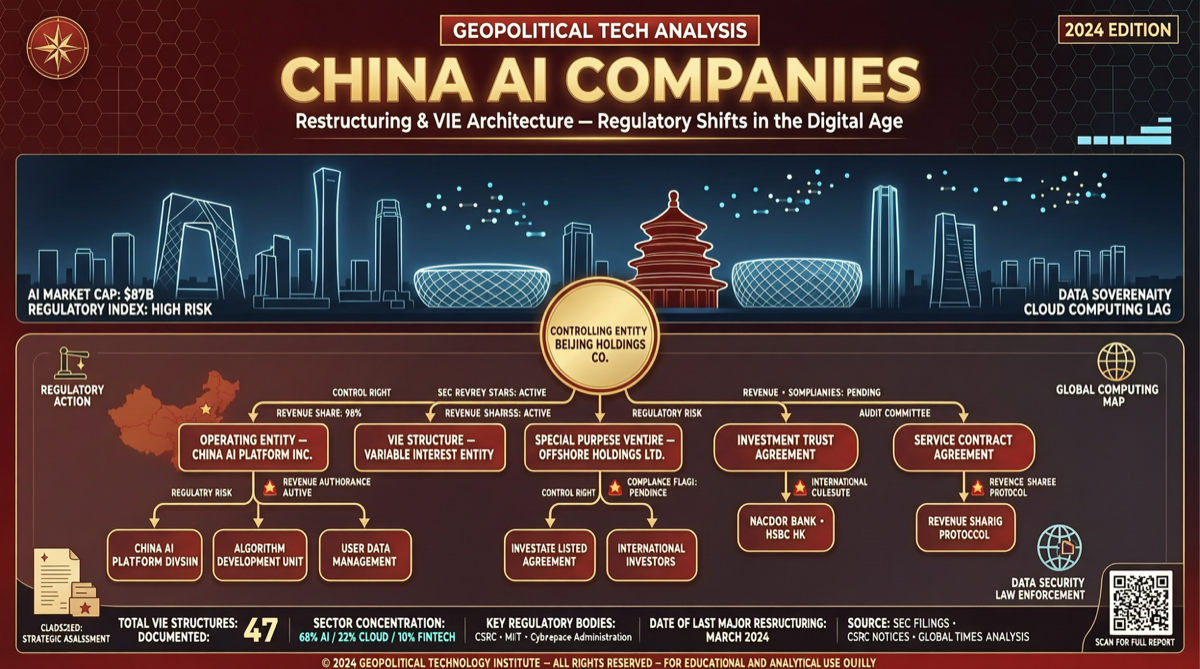
The Information reports that after the Meta-Manus deal was rescinded, Moonshot AI and other Chinese AI startups are considering abandoning overseas-registered entities in favor of domestic China registration. This VIE restructuring wave reflects the deep impact of geopolitics on the AI industry.
Pre-Google I/O leaks reveal Gemini Omni includes a "Teamfood" long-term memory system supporting cross-session, cross-modal context persistence. If implemented, agents will no longer lose history on new sessions — a key step from "chat tool" to "collaborative partner".
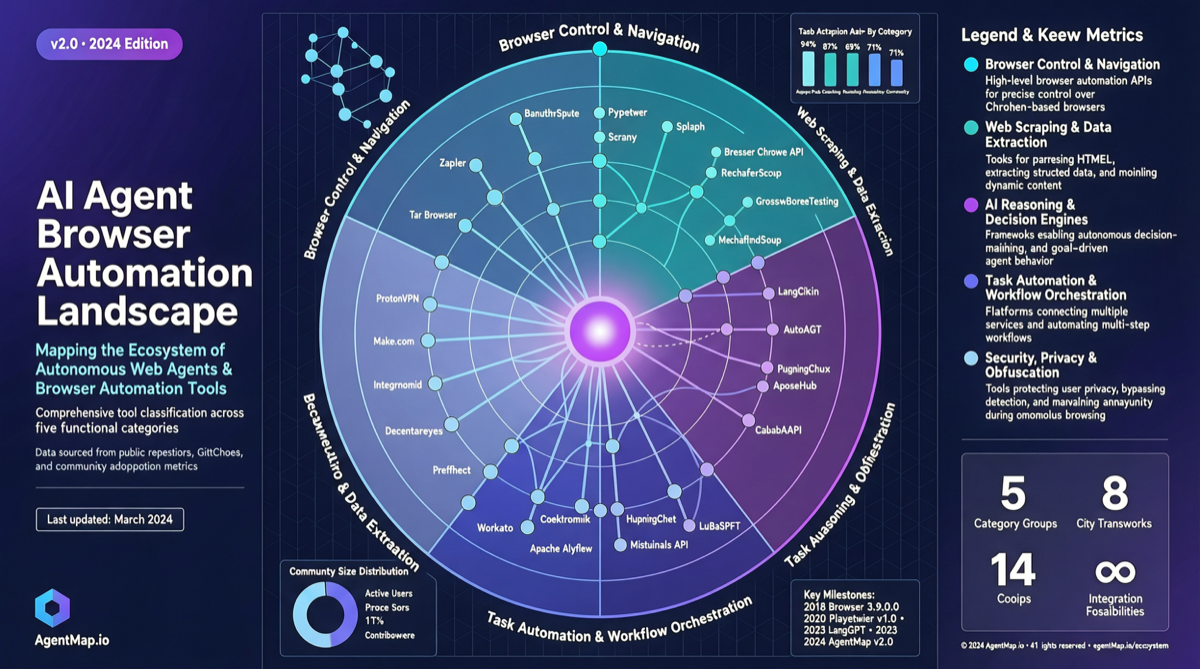
May 2026 survey covering 18 mainstream AI agent browser and data collection tools, categorized into 5 schools: Kings, Rust Sovereignty, MCP Protocol, CLI Hub, and Minimalist Backup, with complete decision matrix and selection guide.
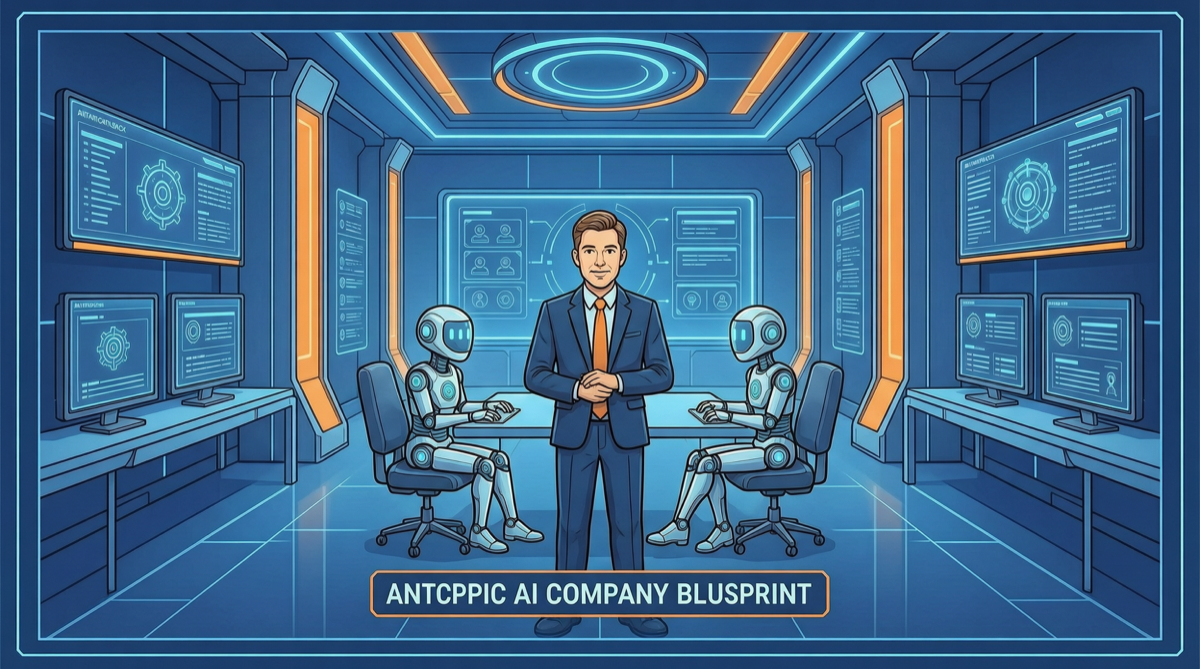
Anthropic and Google Cloud released a complete blueprint for building an "AI company" using Claude + Agent Stack: humans set goals only, multiple AI employees auto-divide tasks, share memory, and push projects across sessions. This marks the shift of agent frameworks from "solo tools" to "organizational architecture" era.
Anthropic published an official guide detailing how to build a fully automated company using Claude Code: 1 human CEO + AI agent employees. The zero-employee enterprise moves from concept to actionable manual.
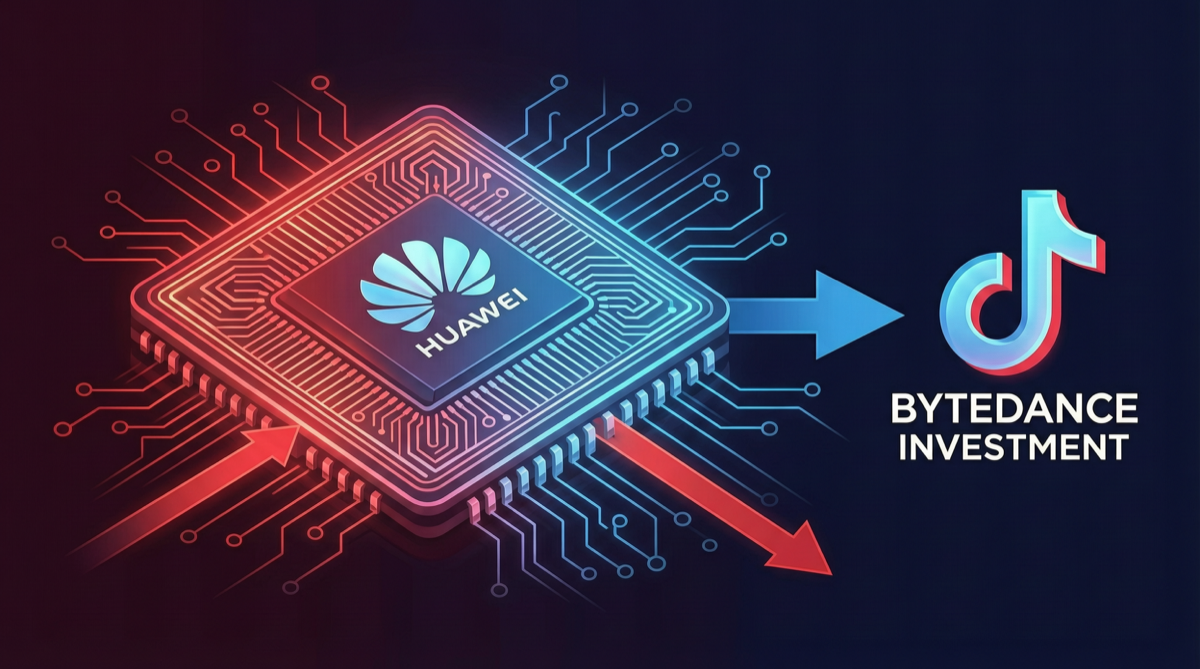
Huawei confirms 2026 AI chip revenue will reach $12B (+60% YoY), with ByteDance investing $5.6B into Ascend 950PR. Under US export controls, Huawei Ascend 950PR has reached Nvidia H100 parity. Decoupling is no longer a trend — it is the established structure.
US CISA and intelligence agencies from Australia, Canada, New Zealand, and the UK jointly published an AI Agent security deployment guide, defining autonomous AI systems as core cybersecurity concerns for the first time. Enterprise AI identity management is the biggest blind spot.
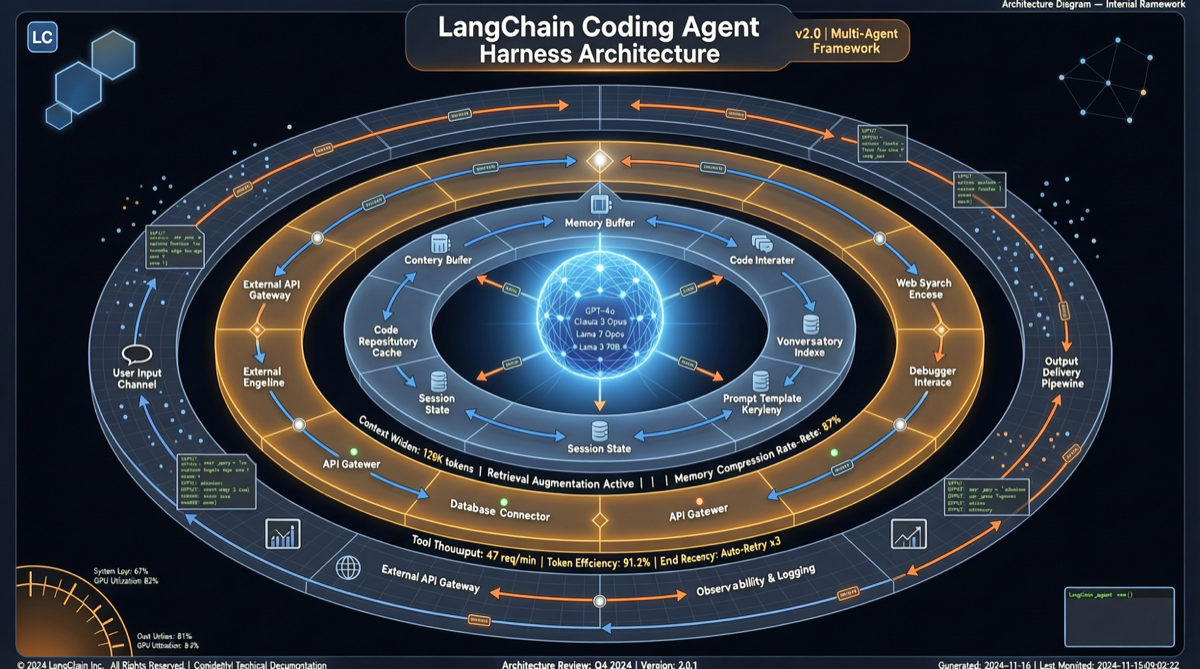
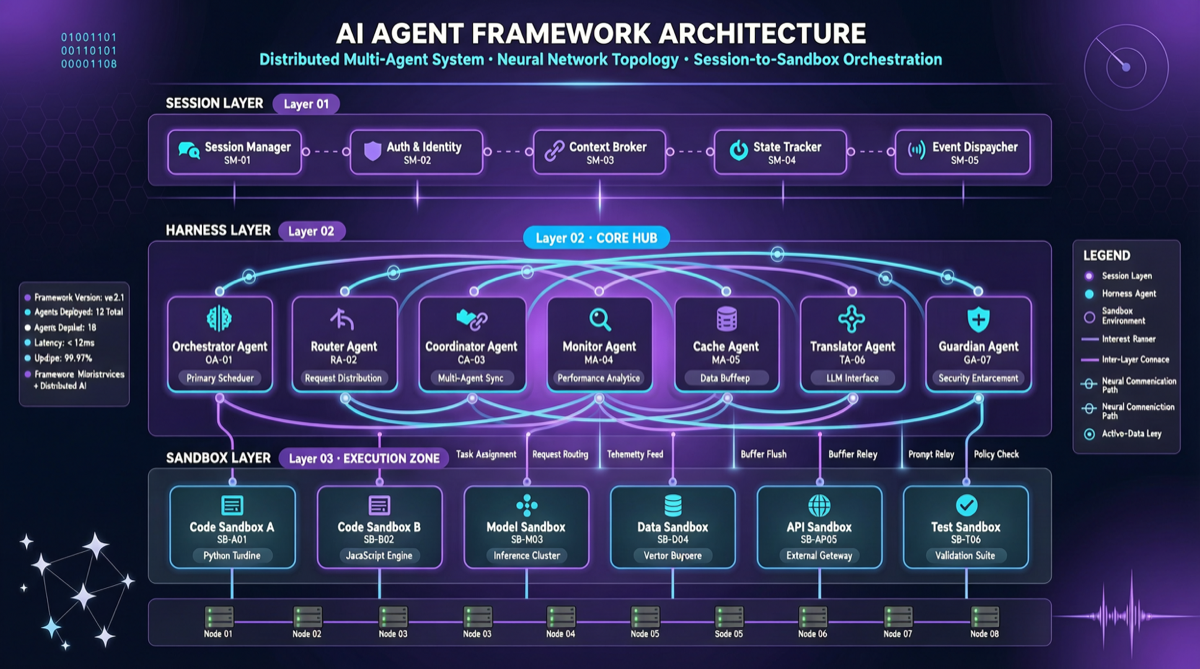
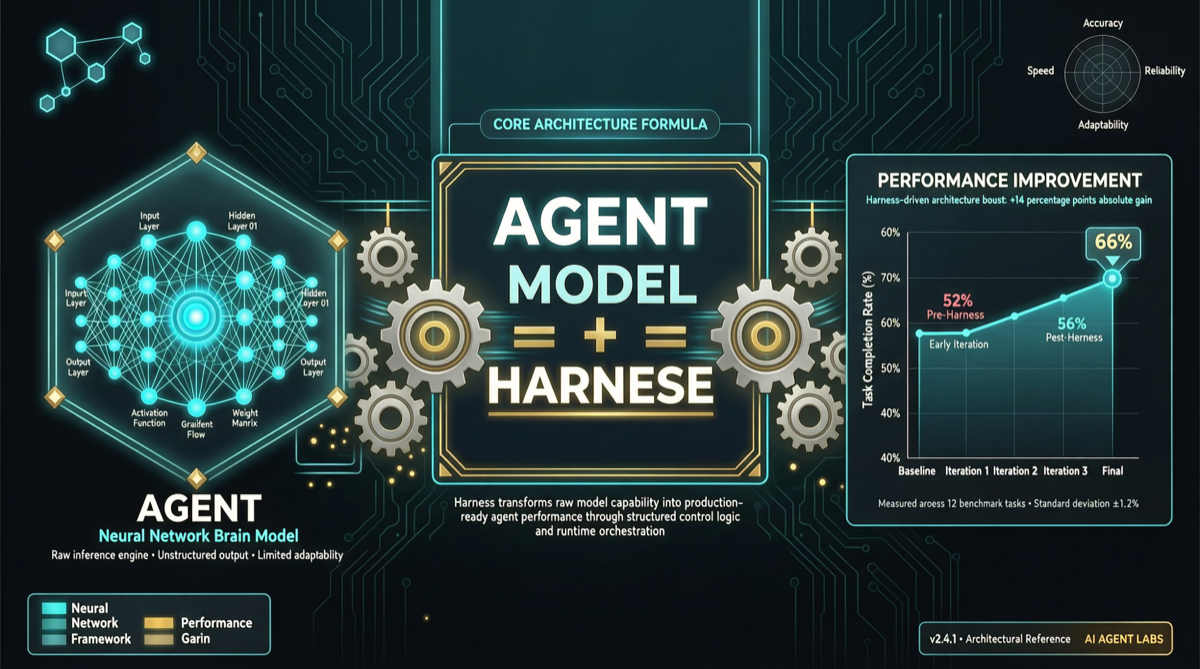
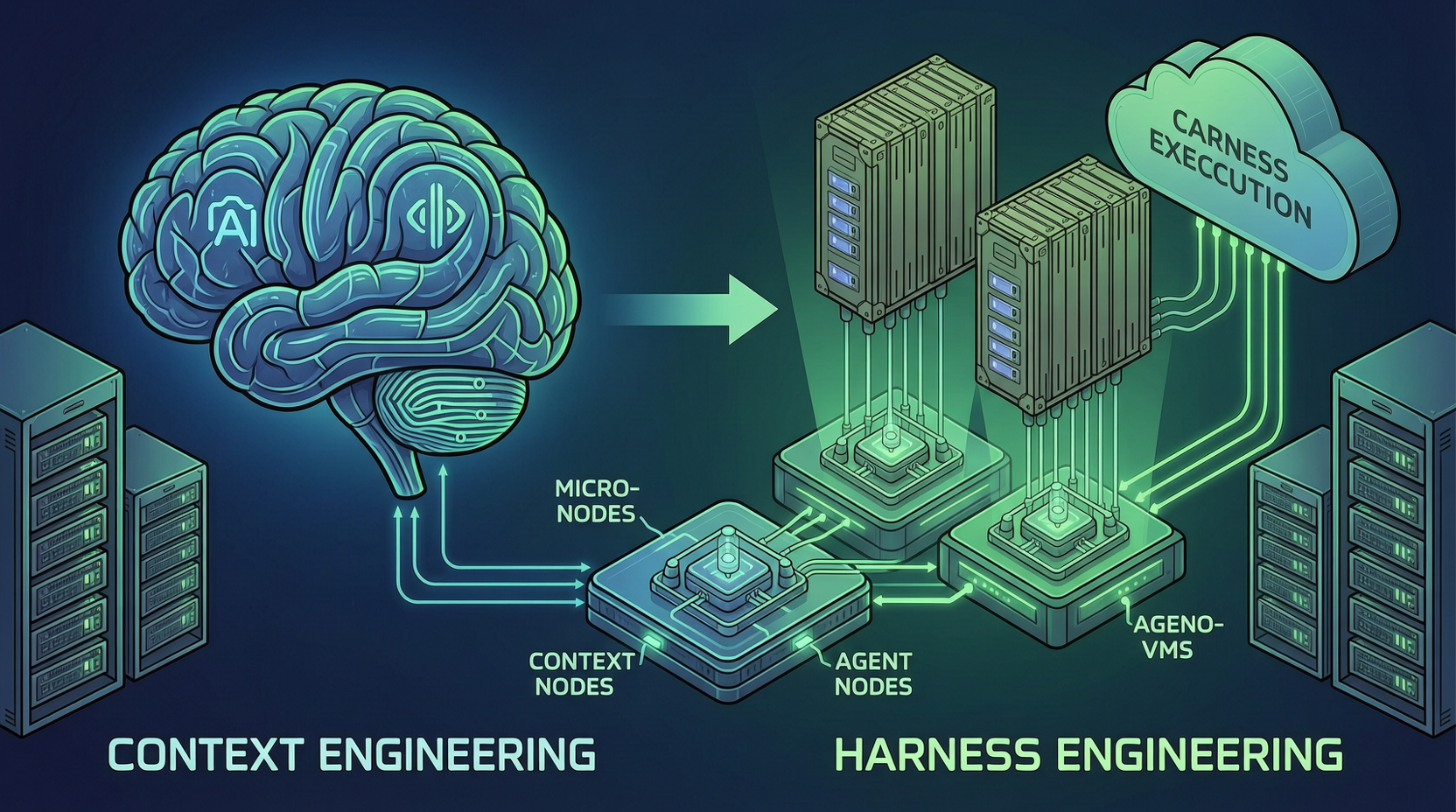
LangChain team reveals benchmark data: using the same GPT-5.2-Codex model, switching only the Agent Harness pushed Terminal-Bench scores from 52.8% to 66.5%, leaping from outside Top 30 into Top 5. This 13.7-point gain proves that in 2026, AI competition has shifted from models to scaffolding engineering.
March 2026 AI Agent sector single-month funding reached $122 billion, restructuring the VC market "hack-style". 73% of LP capital flows to just 5 funds, AI investment showing unprecedented power-law distribution.
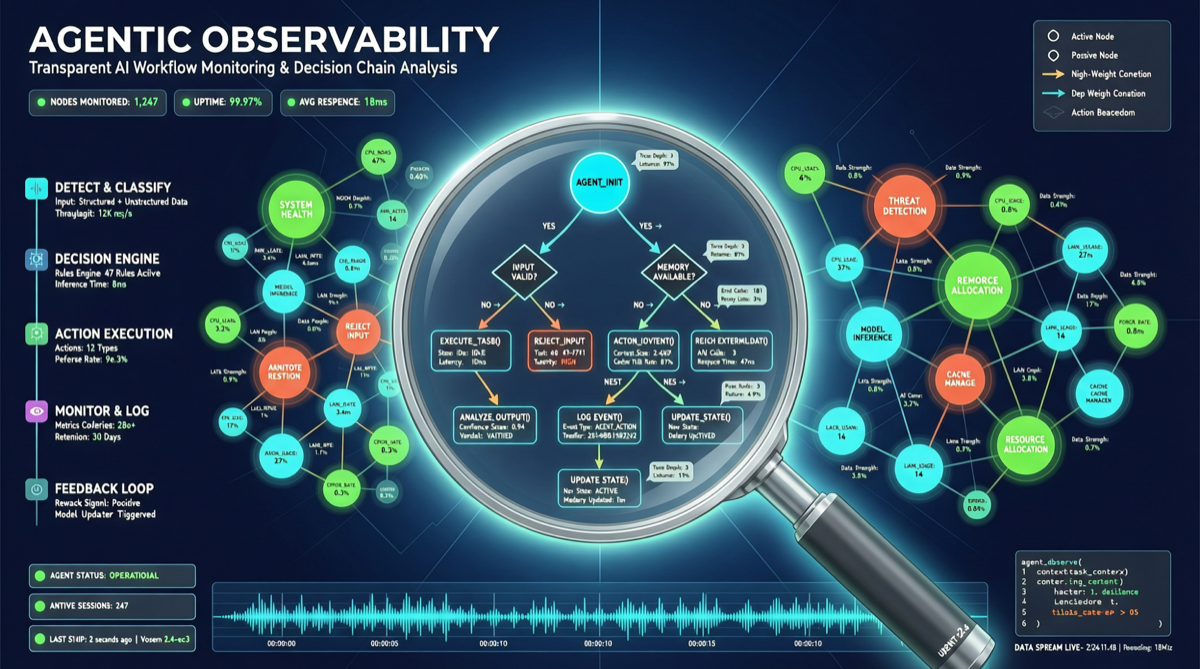
Traditional analytics tools assume buttons, funnels, and pages — but none exist in AI native products. A new generation of agent observability tools is filling this gap, helping product teams understand what agents actually do.
2026 latest survey shows 74% of enterprises have deployed AI Agents in production, but only 21% have mature governance mechanisms. The gap between autonomous AI decision-making and human oversight is widening.
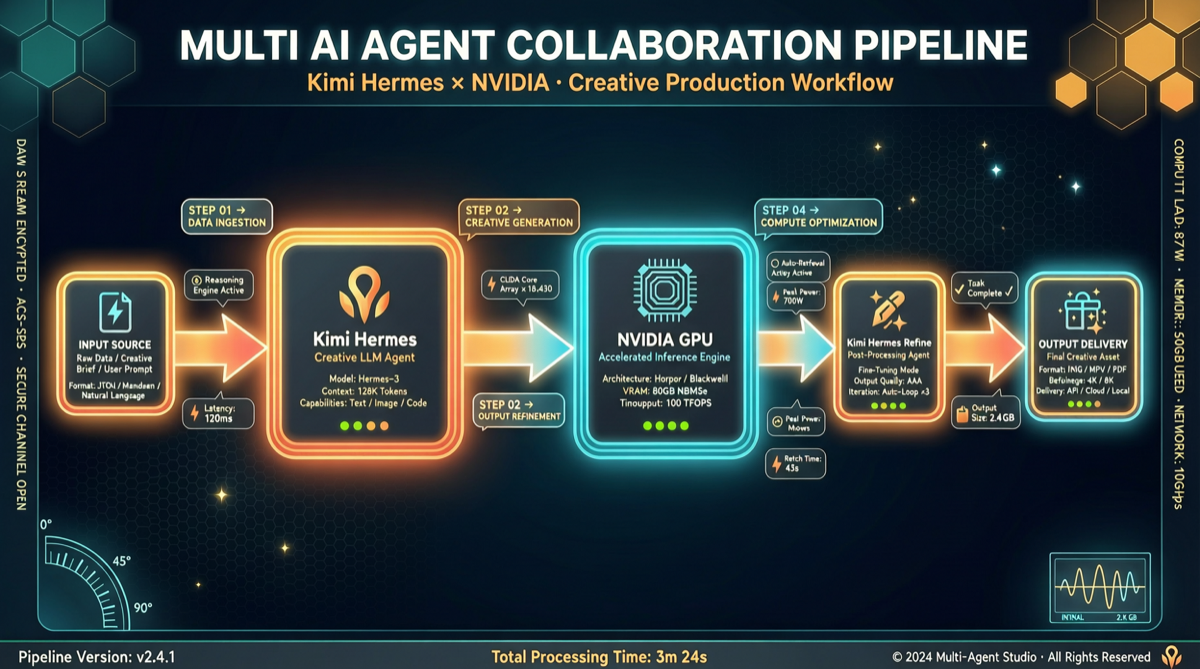
The Hermes Agent Creative Hackathon showcased a new multi-model collaboration paradigm: Kimi handles task planning and creative review, Hermes Agent runs the full production pipeline locally, and NVIDIA DGX Spark handles motion rendering. Different models each play to their strengths, forming a creative production pipeline.
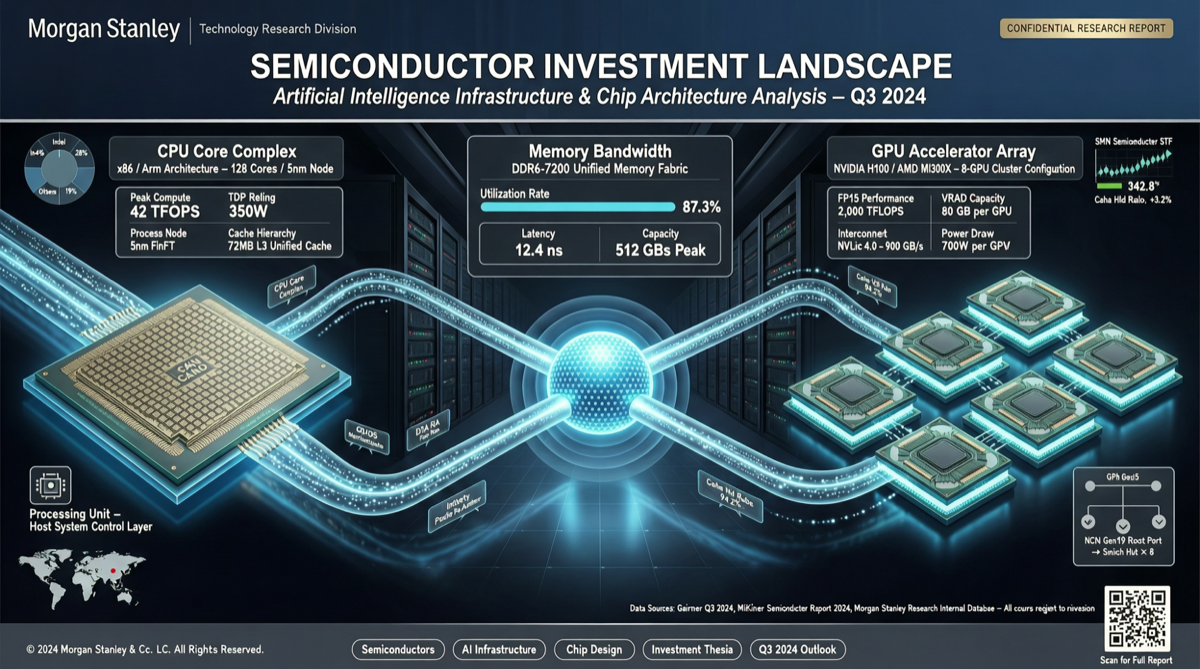
Morgan Stanley releases a report stating that the explosion of autonomous AI agents will significantly drive up CPU and memory demand, with investment opportunities no longer limited to GPUs. The report lists potential beneficiary companies: NVIDIA, AMD, Intel, Arm (CPUs), Micron, Samsung, SK hynix (memory), and TSMC, ASML (chip manufacturing).
Latest research and engineering practices from DeepMind, Anthropic, and Alibaba converge on one direction: agents are evolving from tool-calling chatbots into engineerable, auditable, scalable productivity systems. Framework design importance now surpasses model capability.
DeepSeek V4 API costs just 1/20th of Claude Opus 4.7, yet rated by NIST as strongest Chinese AI model. Meanwhile, NVIDIA offers free Chinese model APIs via NIM platform including MiniMax M2.7, DeepSeek V3.2. AI models are shifting from pay-per-token to free access, completely rewriting cost logic.
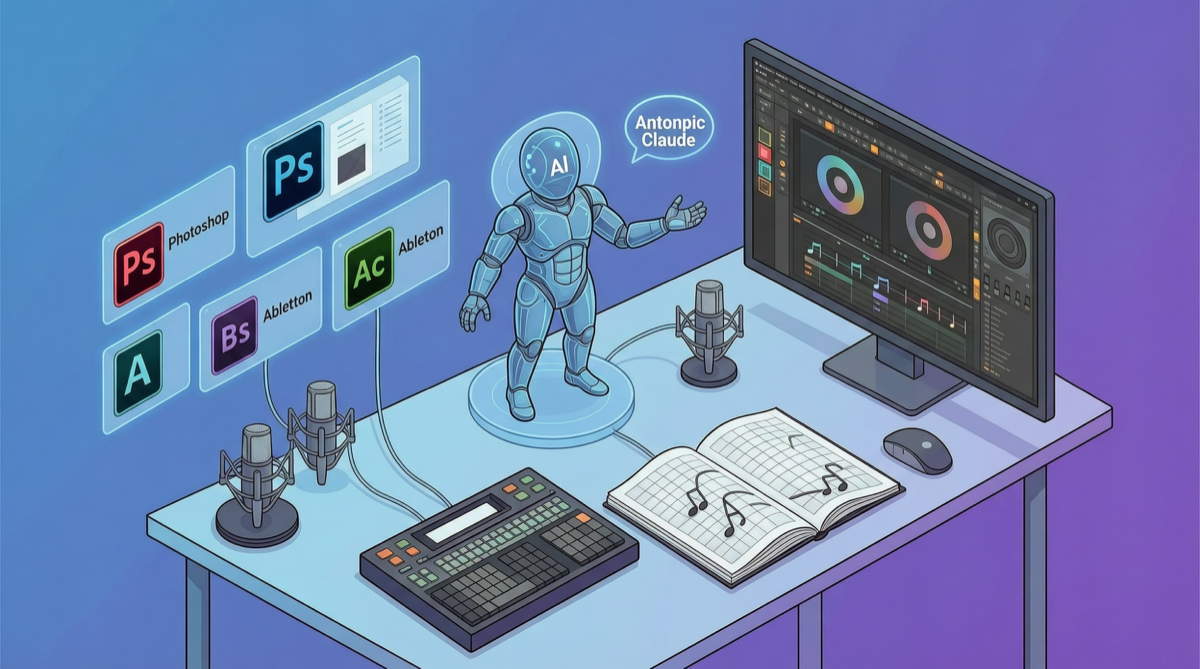
Anthropic releases a set of Claude Connectors for creative work, directly integrating with Adobe Creative Cloud, Ableton, Splice, Canva, SketchUp, Autodesk Fusion, Blender, and Resolume. This marks Claude's expansion from a general-purpose AI assistant into a vertical-domain work platform.
Cursor team improved deepagents-cli from outside Top 30 to Top 5 on Terminal-Bench 2.0 (52.8% → 66.5%) by optimizing only the Agent Harness layer, without changing the underlying model (GPT-5.2-Codex throughout). Proof that architecture optimization delivers better ROI than model upgrades.
An Anthropic engineer points out that most developers only use MCP as a tool-calling protocol, ignoring its core capabilities in resource streaming, context management, and dynamic discovery. The article reveals high-value MCP usage patterns that are being overlooked.
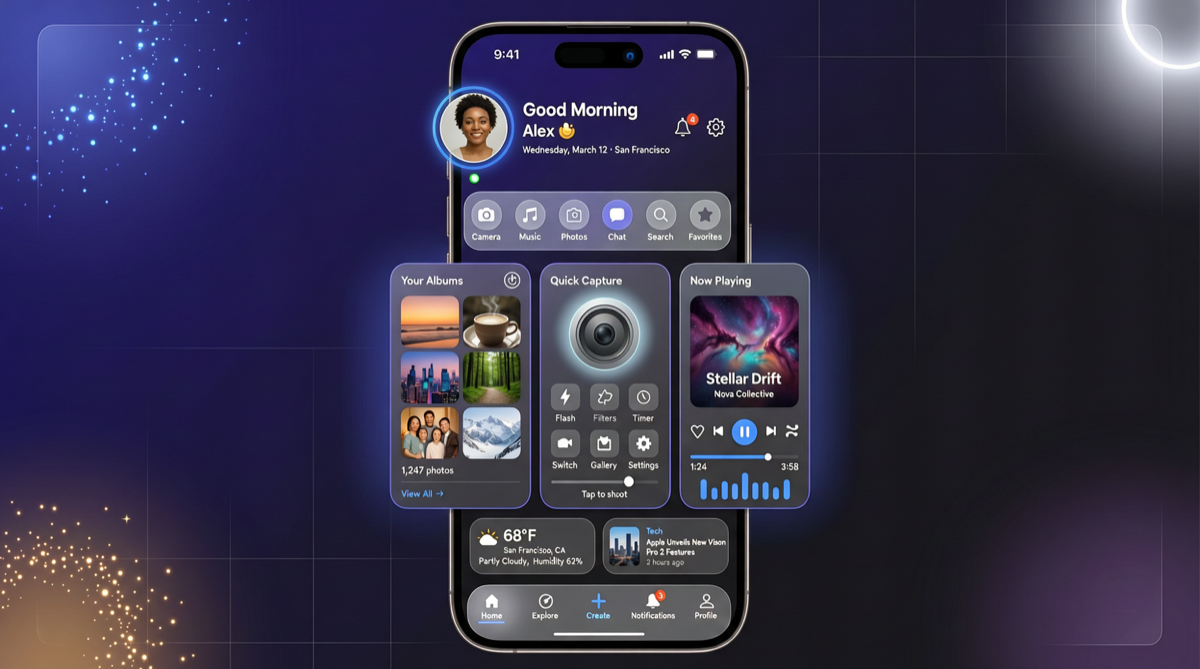
Google Gemini iOS app undergoes a complete redesign: new dark mode interface, centered logo with gradient background, five quick-access cards for photos, camera, music, Canvas, and research. Daily Brief feature launches simultaneously, auto-generating daily schedule and task summaries. This is Gemini's key step in transforming from a chat tool to a personal intelligent assistant.
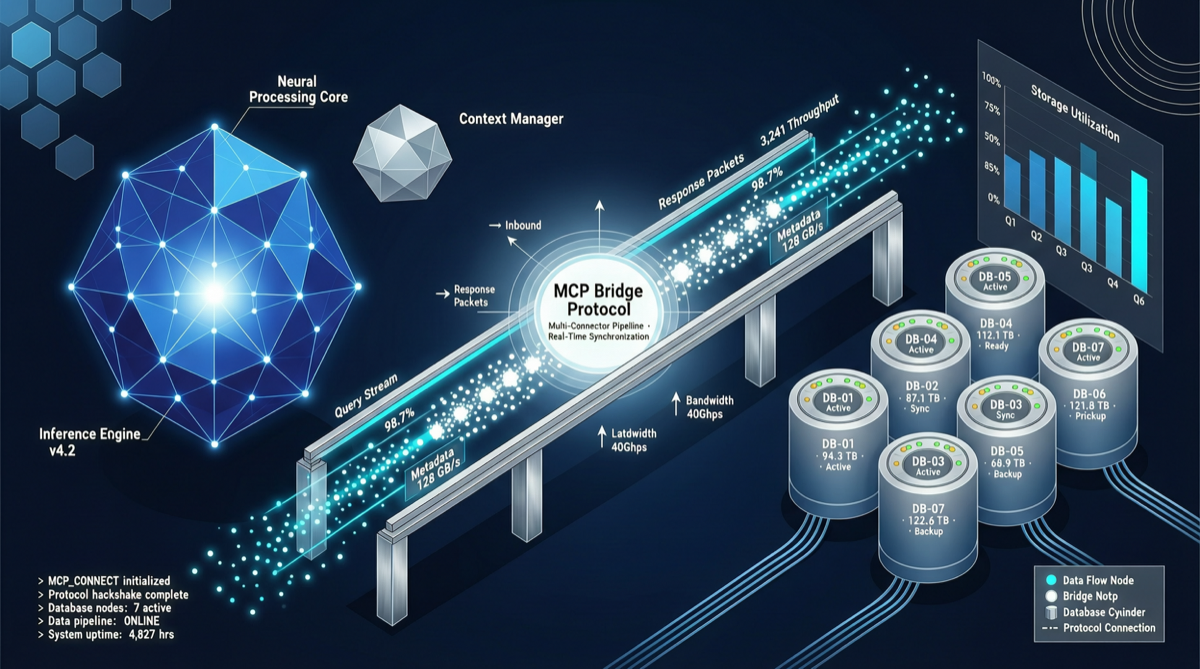
MCP-based database connectors are becoming the new standard for AI agents to access enterprise data layers. Agents can directly query and operate databases through standard protocols without writing custom integration code, significantly improving the development efficiency of data-driven agents.
After Hermes Agent released its Multi-Agent Kanban feature, the community produced 5 entirely new tools in just one week: a Web Command Center, Meta-Reflection Skill Pack, Complete Workspace, Full-Featured Dashboard, and Consciousness Monitoring HUD, redefining Agent visualization standards.
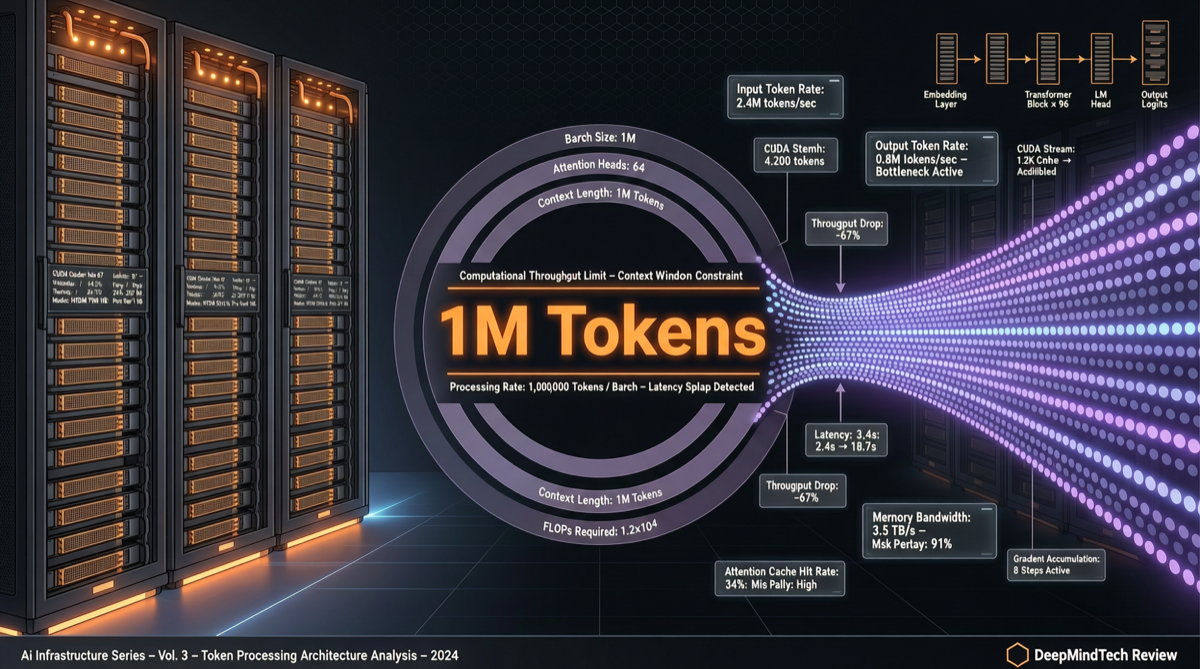
Kimi K3 is rumored to launch in Q3, with internal experiments already testing context lengths far exceeding 1 million tokens. But what's holding back its public release isn't technical capability — it's computing power costs. DeepSeek V4 has already made 1M context a reality, but very few companies can actually afford to serve it at scale.
OpenAI CEO Sam Altman publicly endorses OpenClaw, announcing that ChatGPT accounts can directly log into OpenClaw instances. OpenClaw GitHub stars have surpassed 320,000, while NVIDIA CEO Jensen Huang declares "every software company needs a Claw strategy."
Samsung officially confirmed development of AI smart glasses, ordinary-looking frames with Android XR and Gemini voice AI, dual cameras and speakers, priced at $379-$499. This marks AI wearable devices officially entering the mass consumer market from geek toys.
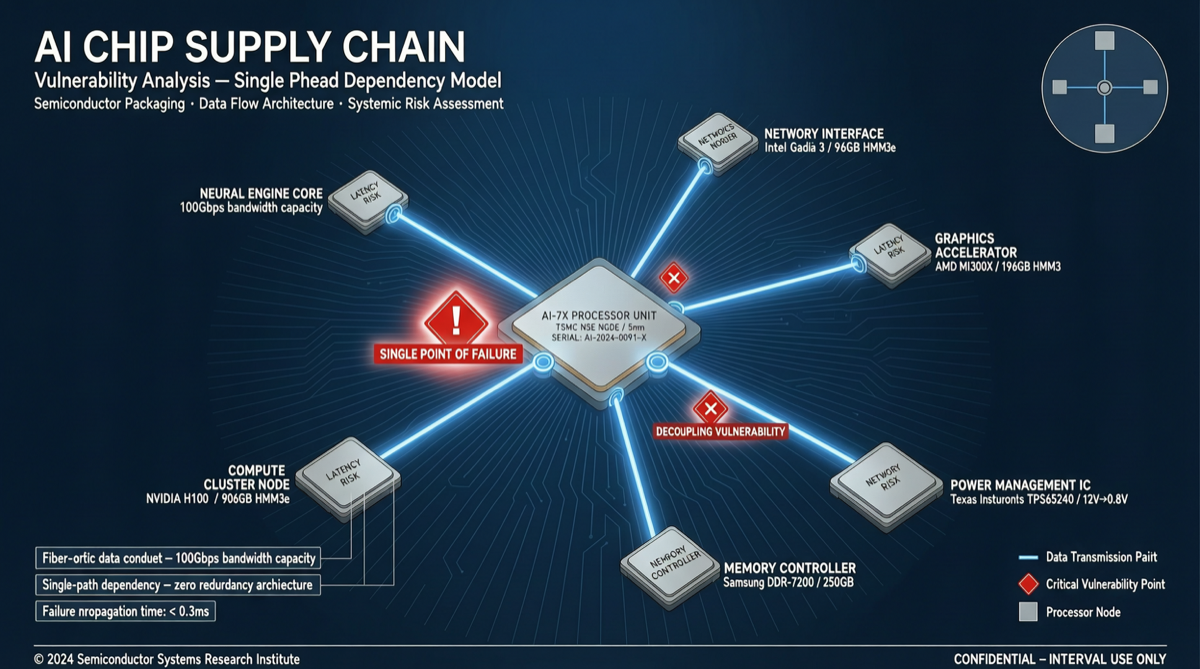
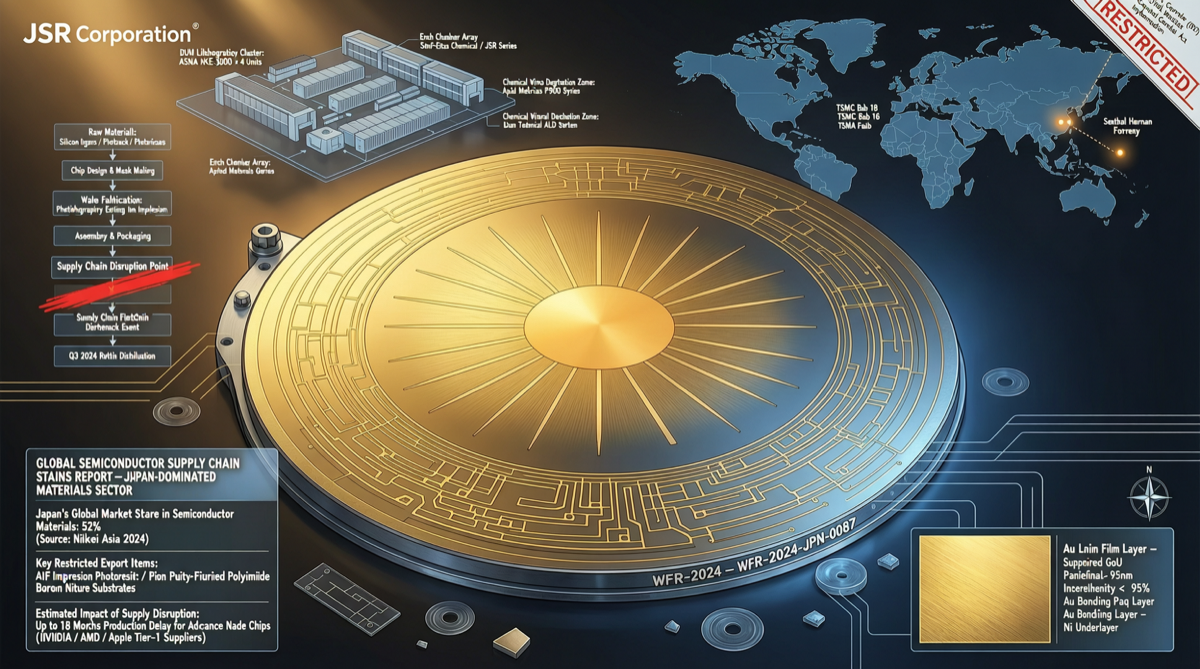
All AI chips (GPUs/TPUs/ASICs) depend on ABF build-up film for packaging, and 98% of global supply is controlled by Japan's Ajinomoto. Production is booked through 2027, with no mature alternatives, and prices keep rising.
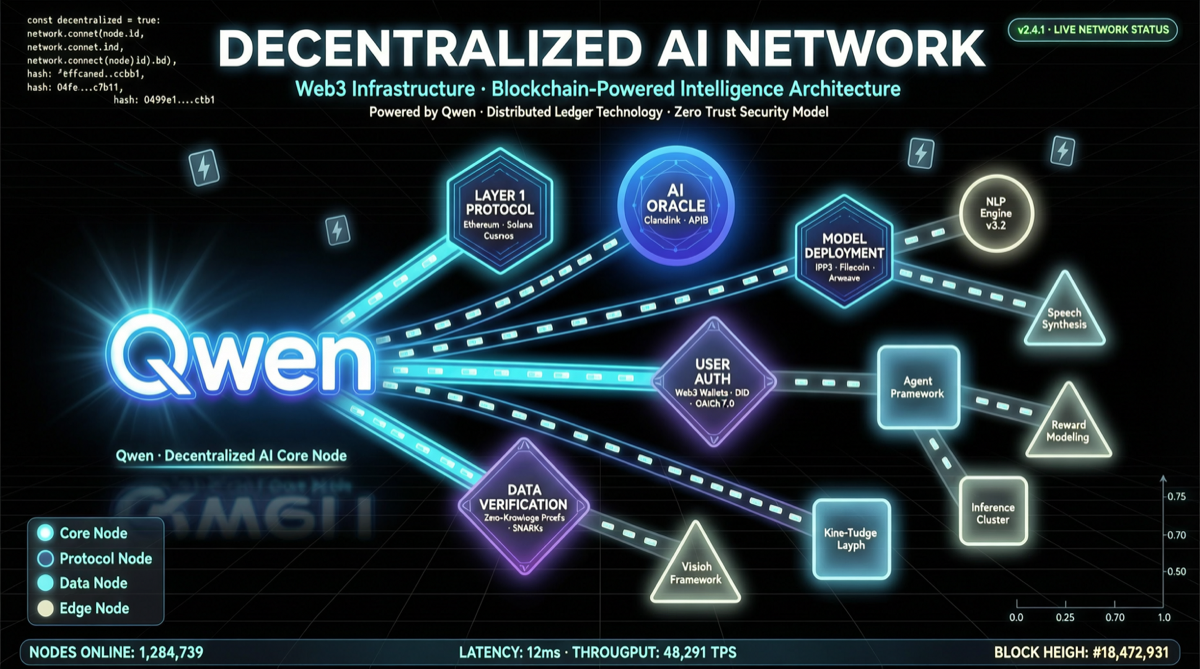
Alibaba Cloud Qwen announces partnership with 0G (Zero Gravity), marking Qwen's first collaboration with a Web3 infrastructure project. The partnership will build a decentralized Qwen model access network, bypassing centralized API restrictions and providing global developers with more open AI access.
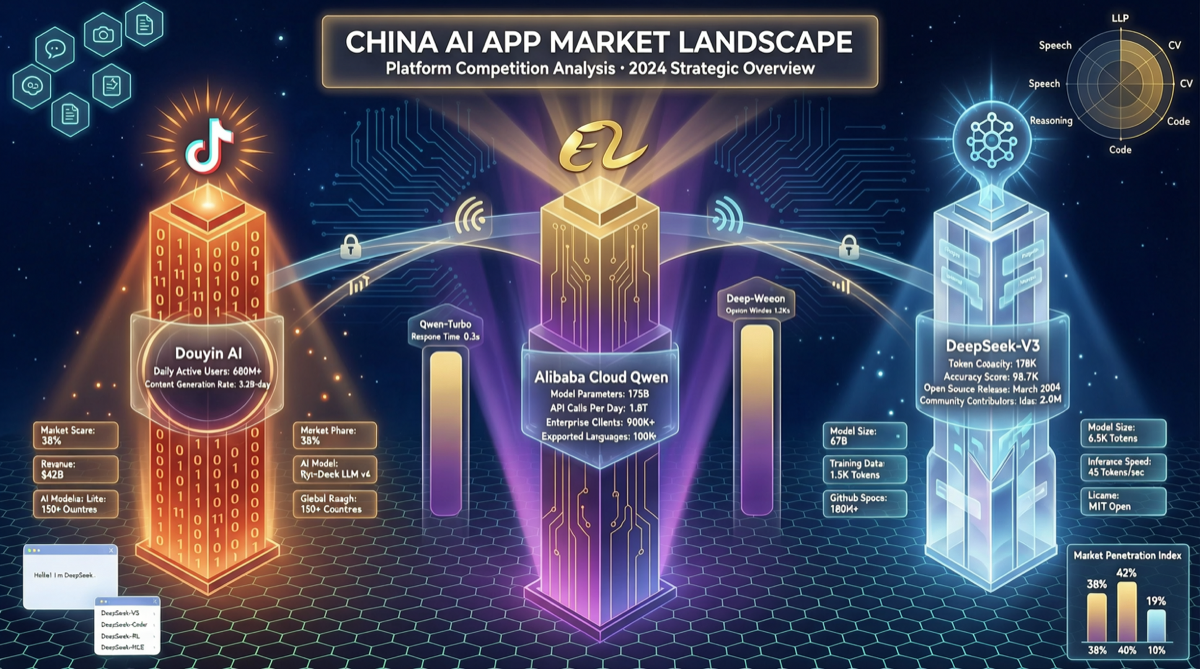
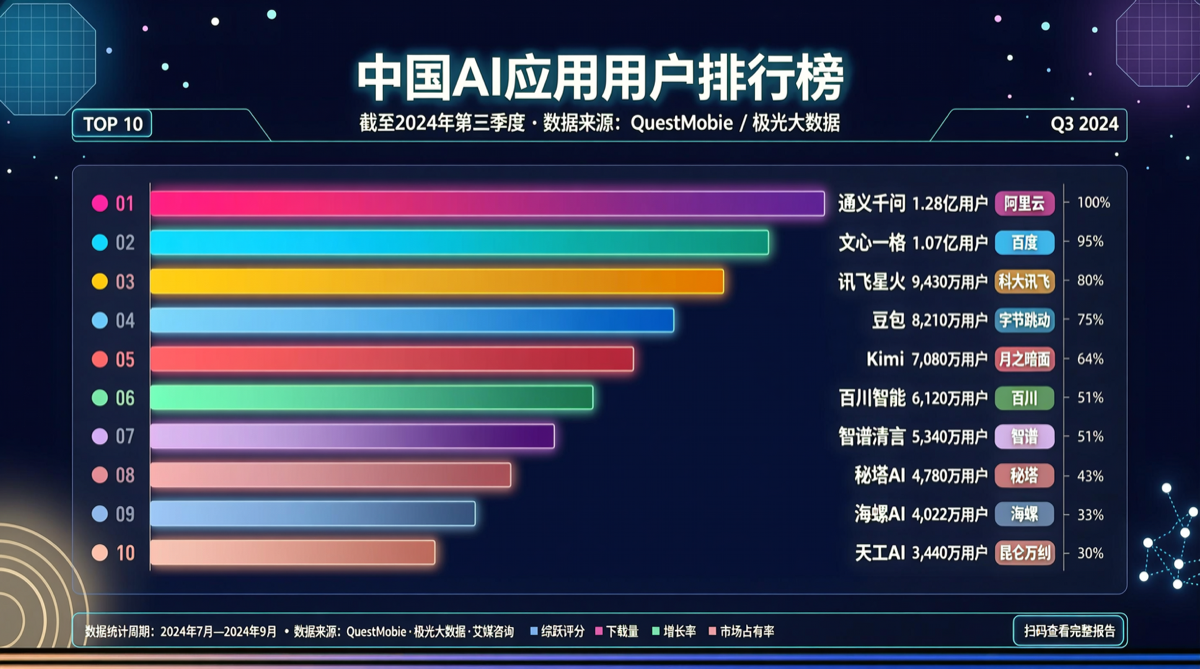
Latest rankings of China AI app users: Doubao leads with 345M, Tongyi Qianwen at 166M second, DeepSeek at 127M third. ByteDance dominates with traffic entry points, Alibaba catches up with ecosystem integration, and DeepSeek breaks through with technical reputation — three routes, three strategies.
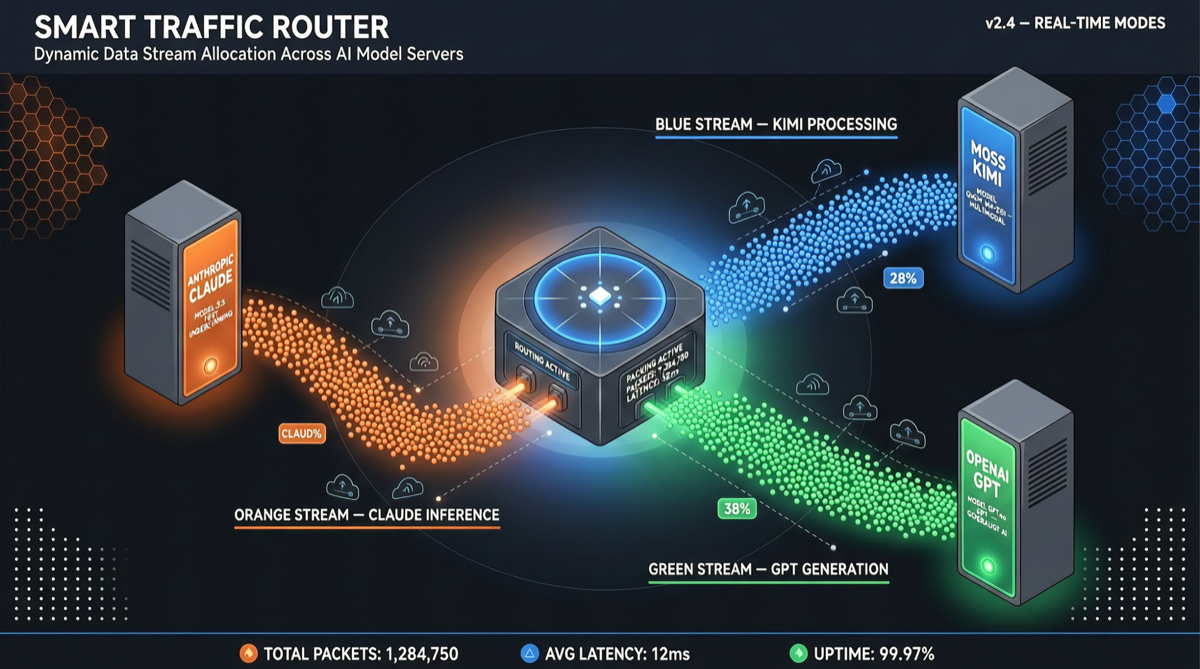
A Chinese developer integrated Claude, Kimi, and GPT into a smart router that automatically routes each task to the cheapest model with sufficient capability. Real-world results: monthly API costs dropped from $500+ to under $100 while maintaining output quality.
Latest China AI software user rankings: Doubao leads with 345M users, Tongyi Qianwen at 166M, DeepSeek at 127M. ERNIE Bot standalone app has only 5-13M users, but Baidu embedded AI serves 200M+. The landscape reveals that AI entry competition has split into "standalone app" vs "embedded ecosystem" routes.
Emerging MCP management tools achieve centralized management of all MCP servers,告别 scattered mcp.json files. Supporting tool-level authorization controls, rate limiting, and server blocking — the MCP toolchain is becoming "OS-like."
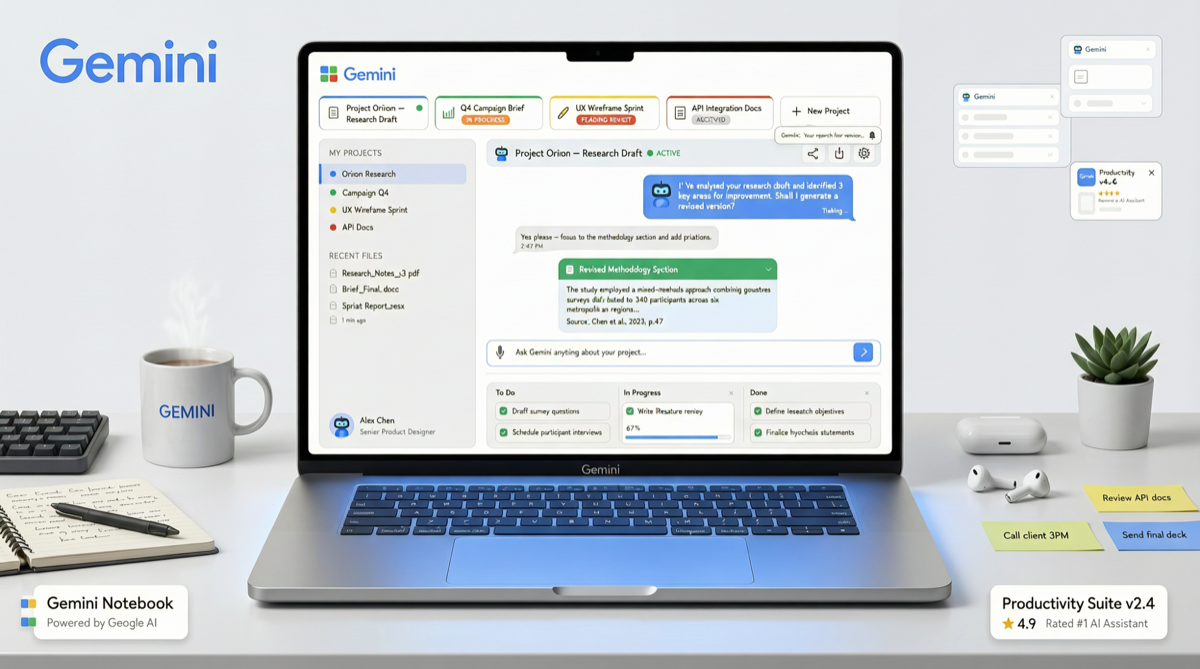
Google recently released 7 Gemini product updates, most notably Project Notebooks — providing independent spaces per project with file management, custom instructions, and context persistence. Also featuring redesigned Gemini iOS app and Gemini Flash 3.2/3.5 testing. This article analyzes the actual impact of these updates on regular users.
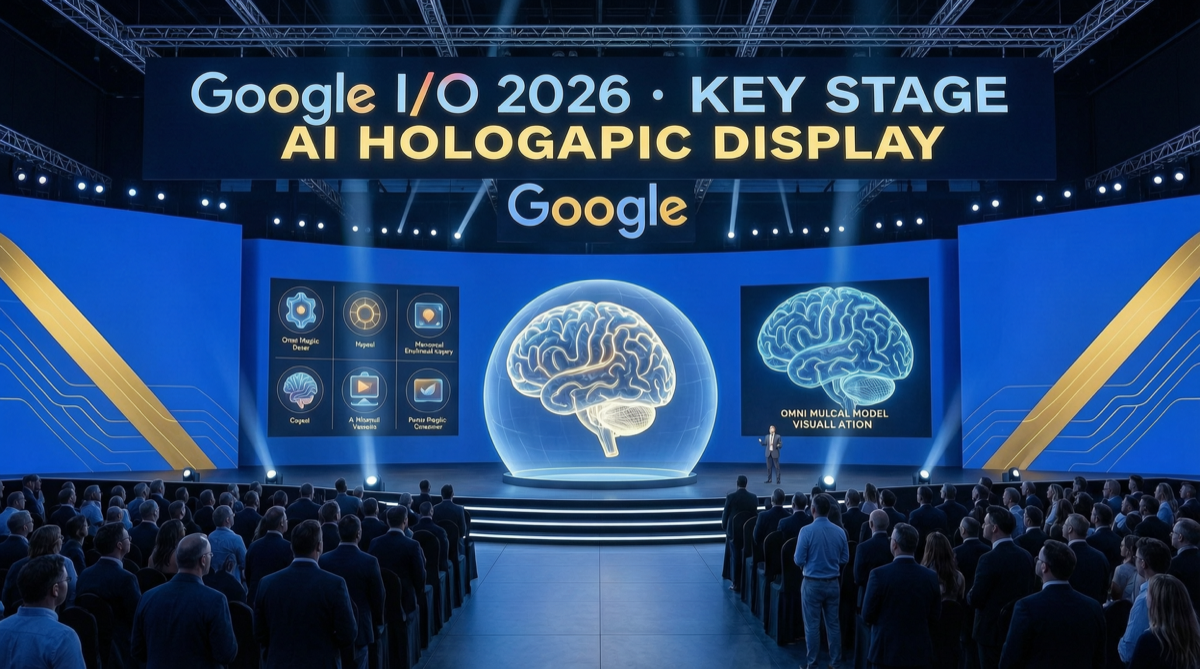
Google I/O 2026 will be held May 19-20. Leaked info reveals a new "Omni" model under testing, integrating text/image/video into a single model, with "Powered by Omni" already appearing in the video generation tab. Gemini 4, Veo 4, Project Astra, and Android 17 AI deep integration also expected.
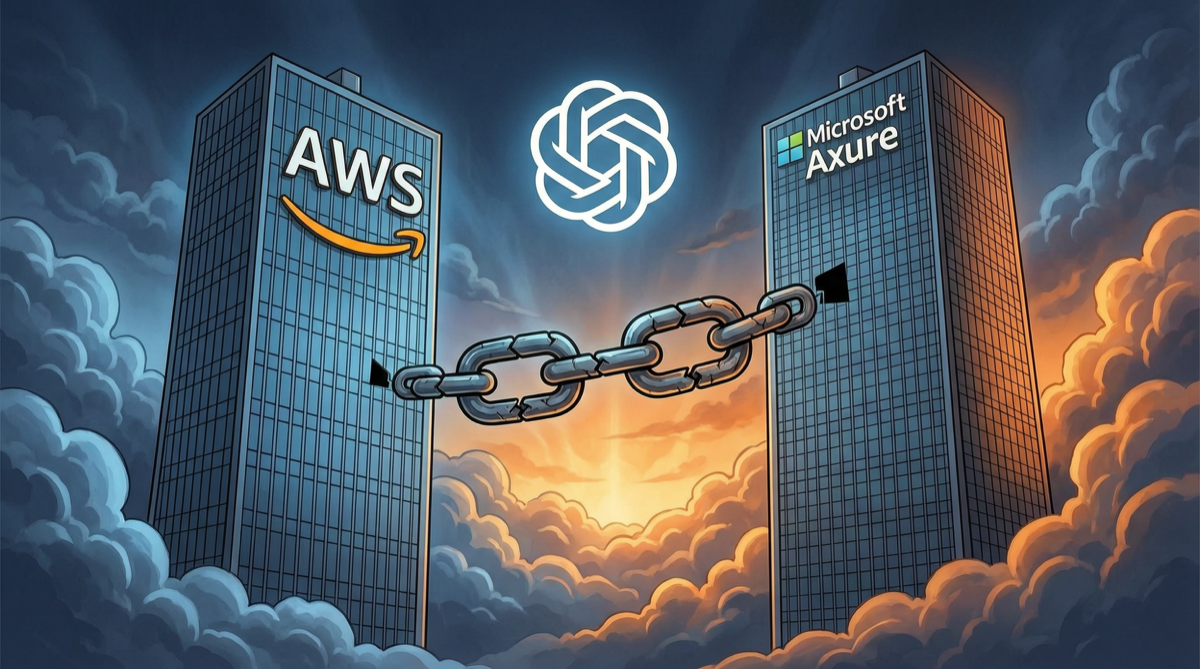
OpenAI announces strategic partnership with AWS, securing $50 billion in funding from Amazon with annual cloud spending exceeding $16 billion. The seven-year Microsoft exclusivity agreement ends, fundamentally reshaping the cloud computing AI landscape. Enterprise customers enter the era of multi-model selection.
DeepSeek extended the 75% limited-time discount for V4 Pro API from the original May 5 deadline to May 31. Post-discount pricing is $0.27/M input tokens and $1.10/M output tokens. Combined with 1M context integration in tools like Claude Code and OpenClaw, this is currently the most cost-effective window to experience a trillion-parameter MoE model.
OKX officially releases Agent Payments Protocol (APP), enabling AI agents to autonomously handle the full commerce lifecycle: pricing, negotiation, escrow, settlement, and dispute resolution. Coinbase and Visa are advancing similar protocols simultaneously. Autonomous transactions between AI agents are moving from concept to infrastructure-level reality.
OpenAI released three major announcements this week: open-sourcing the Symphony agent orchestration spec, publishing "Our Principles" governance statement, and amending Microsoft partnership plus achieving FedRAMP Moderate certification. The combo points toward establishing enterprise AI governance standards.
ruflo tops GitHub Trending with 38.7k Stars, gaining 1,800+ Stars daily. As Claude ecosystem multi-agent orchestration platform, it provides enterprise-grade architecture, self-learning Swarm intelligence, RAG integration, and native Claude Code/Codex integration.
NVIDIA CEO Jensen Huang declared that every engineer will manage hundreds of AI agents. This prediction is being validated by recent papers from DeepMind, Anthropic, and Alibaba — agents are evolving from chatbots into engineerable, auditable, and scalable productivity systems.
A Chinese court has issued the world's first explicit ruling: companies cannot terminate employees on the grounds that 'AI can do the job.' This precedent sets a new benchmark for labor rights protection in the AI era, directly affecting millions of workers who may face AI displacement risks.
More developers are migrating from OpenClaw to Hermes Agent, driven by lightweight design, stability, and composability. The Hermes + Ollama + Kimi K2.6 local setup delivers ChatGPT-level experience at minimal cost. This article compares the two frameworks, provides a migration guide, and analyzes costs.
EU AI Act Article 50 transparency obligations take effect on August 2, 2026. Non-compliant companies face fines up to 7% of global revenue. Whether AI products are used internally or externally, as long as they operate within the EU, they must meet labeling, watermarking, and logging requirements.
A Chinese developer built a system of 6 AI Agents based on Claude Sonnet 4.6, coordinated by 1 orchestrator, autonomously running a UI audit and redesign agency with monthly revenue of $32,000. This article breaks down its architecture, costs, and replicability.
GMO Pepabo launches "Lollipop! AI Agent Cloud" with Nous Research open-source Hermes Agent integration. At just ¥1,200/month, users gain access to self-growing AI without local deployment. Task experience auto-converts to reusable skills, cross-session memory persists. Japan first Hermes Agent cloud-hosted service.
IREN announced on May 1 that its Texas Sweetwater 1 site 1.4GW power system is officially online. The company has 150K+ deployed Nvidia GPUs and a 5-year $9.7B AI cloud services contract with Microsoft. This is the latest milestone in the AI infrastructure race.
Meta employees reveal the company is collecting their keystroke and mouse movement data for AI model training, while simultaneously executing a 20% layoff plan. "You are the training data, and once the model learns, you are the cost being cut" — this model sparks deep discussion about labor relations in the AI era.
NVIDIA releases Nemotron 3 Nano Omni open omni-model, deeply optimized for Hopper and Blackwell architecture FP8 inference, compatible with RTX 5090 and Jetson Thor robotics platforms. Agent application efficiency improves up to 9x, shifting the focus of large model competition to agentic efficiency.
Anthropic updated its official documentation to raise Claude Code enterprise daily cost estimates from $6 to $13, with 90% user daily caps from $12 to $30. This is not just a number adjustment but reflects three signals: model switching, usage depth growth, and commercialization strategy shift.
Y Combinator published Summer 2026 Requests for Startups covering 16 key directions. Core message is clear: AI is no longer a product feature but company infrastructure. AI-native service companies sell results, not software — AI does the work, humans verify.
OpenAI Codex is transforming from a code-generation model into a role-based workflow engine. Users can select distinct roles and connect everyday tools; Codex then proactively suggests prompts and executes tasks. This marks a pivotal shift for AI Agents—from “passive responders” to “active orchestrators”—signaling a fundamental change in the AI application paradigm.
Anthropic's first developer conference is set for May 6th. Market expects Claude Sonnet 4.8, but the real story is Agent infrastructure: Skills system, MCP integration, Claude Code unification. This conference could define Anthropic's product direction for 2026.
The AI model selection logic in 2026 has changed: it is no longer about "picking the strongest one" but "choosing the best fit for each task." Developers are using Claude for coding, GPT for multi-step reasoning, DeepSeek for long documents, and Kimi for Agent clusters — multi-model routing is the new normal.
Four tech giants project $715B in AI capex for 2026, with nearly all incremental spend AI-driven. Micron CEO reveals 2026 HBM supply is already sold out, meeting only 50-65% of customer demand. AI is entering a "memory-first" era.
Anthropic CEO Dario Amodei stated that Claude will complete most or all of Anthropic end-to-end work within 6-12 months. He specifically said "coding will disappear first, then all of software engineering." This timeline is years ahead of most industry expectations.
Google releases Gemini CLI v0.40.0 with local Gemma model support and intelligent routing. Simple tasks are automatically handled by local Gemma (fast, free), while complex tasks are intelligently routed to cloud Gemini models. This design achieves automated switching between zero cost and peak performance.
Google announces Cloud Run managed remote MCP Server is now GA. Developers can deploy and manage MCP tool services without building their own infrastructure. MCP ecosystem moves from "DIY" to "one-click deployment" stage.
Cursor 2.6 introduces MCP Apps, rendering visual UI components like Amplitude charts, Figma designs, and tldraw whiteboards directly inside the IDE, breaking MCP text-only limitation. Team Marketplace launches for Teams/Enterprise users, enabling private MCP plugin creation and distribution.
Q1 2026 saw 3M+ AI agents shipped globally, but 89% fail in production. 63% of enterprises now require human validation of agent outputs. AI coding tools cost $500-2000/engineer/month. The gap from demo to production is far larger than imagined.
Andrej Karpathy's observations on LLM coding pitfalls, compiled into a CLAUDE.md file, skyrocketed to 106K stars in a week. This file distills the most common traps in AI-assisted programming and avoidance strategies, becoming a standard configuration for Claude Code users.
A new LLM company valuation framework is spreading in investment circles: P/GDP (Price-to-GDP). The logic is that models will consume more and more real production segments, so the valuation anchor should not be ARR or P/S, but rather how much GDP-created value they ultimately capture. This means trillion-dollar valuations are just the beginning.
The U.S. State Department issued a global diplomatic cable accusing DeepSeek, Moonshot AI (Kimi), and MiniMax of "distilling" capabilities from Claude and other U.S. models through 24,000+ fake accounts and 16 million+ API interactions. This accusation is reshaping the global AI competitive landscape.
Anthropic built a new Platform Skill into Claude Code — run `/claude-api migrate` to automatically scan codebases, update model names, adjust prompts and effort settings. This is a key step in Anthropic elevating Claude from "chat tool" to "developer infrastructure."
Hermes Agent v2.1 introduces SWARM multi-agent orchestration: unlimited parallel agents, unified Orchestrator control plane, Kanban task management, and TUI view. Evolving from a single-agent tool to a multi-agent operating system.
Every AI chip globally — GPU, TPU, ASIC — depends on one thin-film material, with 98% of global supply controlled by a single Japanese chemical company. The company is fully booked through 2027 and raising prices. This invisible bottleneck may become the next key variable in AI infrastructure development.
DeepSeek V4 Pro API 75% discount extended to May 31, with model now supporting Huawei Ascend chips. Trillion-parameter MoE architecture bound to domestic compute ecosystem is reshaping China AI infrastructure competition.
Researchers estimated frontier closed-source LLM parameters using knowledge depth probes: GPT-5.5 ~10T, Claude Opus 4.x ~4-5T, Grok 4 ~3T. This "knowledge probe" method provides a new approach for evaluating opaque models.
Open-source project Symphony integrates Codex Agent with task tracking systems, turning every open issue into an always-on agent workstation. The project gained 1M+ views on X/Twitter, signaling a new paradigm from "one-shot conversations" to "continuous duty" in Agent orchestration.
Google quietly launched Gemini Projects in late April 2026, enabling AI workspaces to remember files, conversations, goals, and instructions. This is not just a feature update—it is Google's key step in redefining Gemini from a chatbot to a persistent AI workspace.
Hangzhou Intermediate Court and Beijing courts have ruled that companies cannot use "AI adoption" as grounds for unilateral contract termination under the "major objective change" clause. This ruling returns AI employment responsibility to corporations, marking AI labor protection moving from legislative discussion to judicial practice.
Kimi K2.5 uses trillion-parameter MoE architecture, activating only 32B parameters per query, supporting coordination of up to 100 AI sub-agents in parallel. Open-source strategy plus multi-agent capability is redefining what a single model can do.
Zed editor 1.0 is not just a version milestone — through the ACP protocol, it integrates Claude Agent, Codex, Cursor CLI, Kimi CLI, Qoder CLI and more into a single editor, with parallel agent collaboration and session history import, redefining what an "AI editor" means.
Meta launched closed-source flagship model Muse Spark, claiming to surpass GPT, Gemini, and Grok across multiple benchmarks. The company that propelled open-source AI with LLaMA is undergoing a strategic shift from open to closed, led by Alexandr Wang.
Anthropic projected $9B annual revenue at end of 2025, revised to $30B just 4 months later. Meanwhile, the company completed three key leadership changes: a new CPO, a new independent research division, and a self-developed model locked as closed-source. These moves point to a clear strategic inflection point.
Gartner releases first Agentic AI Hype Cycle, predicting Fortune 500 enterprises will run 150,000+ AI agents by 2028 (up from under 15 today). Yet 86% remain in pilot stage, 72% testing but only 1/9 in production. Agent governance emerges as the biggest challenge.
TabiVibe announced a full transition to become an AI Agent real-time execution, payment, and autonomous trading platform. Global consumer spending on generative AI is expected to exceed $1 billion in 2026, and TabiVibe positions itself as the infrastructure for AI consumption — payment rails + execution layer.
AMD announces June launch of Halo Box Mini PC with Ryzen AI MAX+ 395 and 128GB shared memory, full ROCm support, running 200B parameter models at $2000-3000, directly challenging NVIDIA DGX Spark pricing.
Google I/O 2026 is scheduled for May 19-20, with expected major Gemini AI ecosystem updates including AI Studio Android app, next-gen Gemini models, and deep Android AI integration. In the Claude and OpenAI duopoly, Google AI strategy faces a critical choice.
OpenArt releases Smart Shot, called the most intelligent AI video director of 2026. With just one prompt, the system auto-generates a full production plan (storyboard, camera moves, etc.), then outputs cinematic scenes via Seedance 2.0. This marks AI video moving from "generating clips" to "director-level production."
NVIDIA CEO Jensen Huang pushed back against AI job apocalypse narratives in the Memos to the President podcast and IEEE Medal of Honor speech, saying AI has created 500K+ jobs and companies using AI hire faster. He criticized CEOs spreading doom narratives as having a "god complex."
Tether-backed payment platform Oobit launches a Visa card for AI Agents, enabling intelligent agents to spend USDT directly. This marks a critical transition of AI Agents from the execution layer to the autonomous consumption layer.
Per Ming-Chi Kuo, OpenAI is co-developing an AI-first smartphone chip with MediaTek and Qualcomm, manufactured by Luxshare, targeting 2028 mass production. 300-400M annual units target aims to replace app grids with agent-driven task flows.
Sightline Climate data shows that of 12GW of US data center capacity announced in 2026, 11GW remains in "announced" stage with only 5GW actually under construction. A 5-year grid transformer backlog is crippling half of planned AI data center projects.
Cast AI analyzed approximately 23,000 Kubernetes clusters and found enterprise GPU average utilization at only 5%, CPU at 8%, and memory at 20%. Fear-driven resource overprovisioning is causing billions of dollars in annual compute waste.
Xiaomi AI head Luo Fuli first long technical interview: Pre-train gap is gone, Agent RL is next battleground, intern selection criteria is empty-cup mindset and curiosity.
Anthropic has been caught scanning users Git commit histories in Claude Code, detecting the "openclaw" string and marking usage as exhausted. This behavior has sparked strong backlash in the developer community, reflecting the fundamental conflict between closed-source AI companies and the open-source Agent ecosystem.
In late April 2026, GitHub trending was flooded with "skills file" projects: andrej-karpathy-skills surpassed 105K stars, mattpocock/skills reached 53K stars, free-claude-code exceeded 19K stars. A paradigm of defining AI coding assistant behavior with a single file is becoming the new standard for developer tools.
Google announces bringing Gemini AI assistant to millions of vehicles, extending from traditional digital interaction to physical driving scenarios — a key step for AI assistants from phone screens to cockpits.
OpenAI GPT release cadence has compressed from 97 days (GPT-5 to 5.1) to just 28-49 days recently. At this pace GPT-5.6 may arrive in late May 2026. AI model iteration speed is accelerating exponentially.
OpenClaw released v2026.4.29 with four core upgrades: intelligent messaging, enhanced memory, expanded provider support, and tightened security. Active-run steering makes agents more controllable during execution, persistent memory preserves cross-session context, and new providers give users more model choices.
The fundamental bottleneck of AI Agent is no longer model intelligence, but losing memory every time a new session starts. AGENTS.md cannot hold a million tokens of domain knowledge, and RAG cannot find unknown unknowns. How can we make Agents internalize knowledge like new employees through pair programming?
Anthropic team reveals internal Agent workflow: 90% of code written by Claude Agents, one Agent delegates, multiple Agents execute in parallel. Work that took days now completes in 1 hour.
X platform leak reveals OpenAI has scheduled GPT-6 (internal codename "Goblin") for September 29, 2026. Just 5 months after GPT-5.5, this pace suggests OpenAI is accelerating flagship model iteration cycles.
Federal judge orders OpenAI to preserve all ChatGPT conversations from May-September 2025 — including user-deleted ones. ~20M logs to be submitted as NYT lawsuit evidence, marking a major shift in AI conversation data privacy.
Stripe released Link wallet designed specifically for AI agents, allowing agents to initiate purchase requests on behalf of users, with biometric approval and virtual card execution. With 250M+ user base and virtual card isolation, this provides the first mature payment infrastructure for the AI agent economy.
Agent frameworks like CrewAI, AutoGen, and LangGraph are raising capital at a pace that outstrips nearly every other AI sector. But they all run on centralized cloud architectures—what happens when agents require decentralized coordination? This is both an opportunity and a looming risk.
China's open-source AI landscape is shifting from DeepSeek's dominance to a multipolar competition. Zhipu GLM-5.1, Moonshot Kimi K2.6, and MiniMax M2.7 are launching in rapid succession, competing at the highest level in code capabilities, agent orchestration, and multimodal understanding—marking a new era of ecosystem-driven competition among Chinese models.
Hermes Agent released a desktop app on May 2, 2026, upgrading AI agents from CLI to a visual virtual workspace. Supports multi-agent management, cross-model switching, Telegram/Discord integration, and cross-platform session sync, marking the transition of personal AI agents from "geek toys" to "everyday productivity tools."
Andrej Karpathy's Claude Code skills file surpasses 104K stars on GitHub, Matt Pocock's skills project reaches 52K stars. CLAUDE.md structured configuration is becoming the 'new .gitignore' of AI programming, with context engineering replacing prompt engineering as the core competency.
Mistral AI launches Workflows public preview, an enterprise-grade AI orchestration layer built on Temporal durable execution engine. With state tracking, branch retries, and human approval loops, already deployed in production at ASML and France Travail. A direct challenge to OpenAI/Anthropic in enterprise infrastructure from a European AI company.
The 2026 AI Agent framework ecosystem is experiencing a critical transition from fragmented competition to infrastructure convergence. A GitHub directory now compiles the complete Agent ecosystem map for the first time, marking industry maturation.
May 2026 LM Arena leaderboard update: Baidu Ernie 5.1 Preview holds Chinese #1 globally 13th; DeepSeek V4 Pro rises to 23rd; Xiaomi mimo-v2.5-pro reaches 22nd; GPT-5.5 at 16th. Baidu Create conference may bring more model updates.
The Pentagon officially designated Anthropic as a supply chain risk, banning its products across defense contractors. Meanwhile, agreements were signed with OpenAI, Google, Nvidia, Microsoft, AWS, SpaceX, and Oracle. The Pentagon CTO called Anthropic's Mythos model a 'separate national security matter' while keeping the company blacklisted.
Google releases Gemini CLI v0.40.0, introducing tiered memory system, auto skill generation based on session history, and local Gemma model support. With 1,589 likes and 488 bookmarks, community heat proves: the terminal is becoming the core interaction interface for AI Agents.
Manifold security researcher Aks Sharma discovered 30 malicious Skills on ClawHub that turn AI Agents into crypto mining botnets, with over 10K downloads before being detected. Zero exploits needed — just publish malicious Skills. The security boundaries of the AI Agent ecosystem urgently need to be established.
Microsoft Agent 365 officially goes GA on May 1, 2026, marking the shift of enterprise AI from 'assistive tools' to 'autonomous execution.' Simultaneously, Microsoft partners with Publicis Group around Gartner's prediction that '40% of enterprise apps will embed AI agents.'
Claude Code users discovered that whenever a git commit message contains the case-sensitive string "HERMES.md", requests are incorrectly routed to pay-per-use API instead of the Max subscription quota. One user consumed $200.98 in extra usage in a single day. Anthropic has promised full refunds. This is the first absurd-level bug of the AI Agent era.
OpenAI's model release cycle is accelerating significantly: it took 97 days from GPT-5 to GPT-5.1, but only 49 days from GPT-5.4 to GPT-5.5. At the current trajectory, GPT-5.6 could arrive as early as mid-June, or potentially sooner to counter Google I/O's Gemini 3.5. Model iteration speed is becoming a core competitive advantage.
Claude Code currently contributes 4% of all public commits on GitHub, and is projected to reach 20% by the end of 2026. This milestone marks AI programming agents transitioning from auxiliary tools to mainstream productivity — the IDE hasn't disappeared, but has been reduced to a thin shell around the model.
Chinese GPU manufacturer Lisuan has obtained Microsoft WHQL certification, becoming the fourth GPU vendor globally after NVIDIA, AMD, and Intel. This marks a critical breakthrough in compatibility and ecosystem recognition for China domestically developed GPUs.
AMD announces Advancing AI 2026 for July 23 in San Francisco. SemiAnalysis publishes DeepSeek V4 Pro benchmarks: Blackwell B300 achieves 8,075 tok/s/GPU, ~40x AMD MI355X. Computing landscape is reshuffling.
As Chinese large models rapidly improve, agent frameworks like OpenClaw and Hermes begin large-scale integration of Kimi, GLM, DeepSeek, Qwen and other Chinese models. The AI agent development ecosystem is undergoing a structural shift.
Microsoft 365 Copilot Cowork officially launches — a new agent layer built on Claude that shifts from advisor to executor. Simultaneously Agent 365 GA provides the first hyperscaler enterprise AI Agent governance control plane, already running 100+ agents in supply chain internally.
Kimi K2.6 beats Opus 4.7 on LiveBench, Qwen 3.6 tops Intelligence Index for open models under 150B, DeepSeek V4 million-token context + 75% discount. Open-source models have evolved from cheap alternatives to primary contenders.
Cloudflare announces that Agent users can autonomously create accounts, activate subscriptions, register domains, and obtain API tokens for fully automated service deployment. This is the first time an infrastructure provider treats AI Agents as first-class citizens, marking the official arrival of the "Agentic Cloud" era.
April 2026 witnessed a historic turning point for AI Agent frameworks: evolving from prompt-centric conversational tools to autonomous systems capable of planning, decision-making, and end-to-end task execution. Framework evolution from LangChain, OpenAI Agents, and Hermes reveals this paradigm shift.
Wuhan 260B RMB storage semiconductor expansion lands. AI token economics bottleneck is shifting from GPU compute to HBM memory bandwidth. First principles: Token throughput = HBM capacity × HBM bandwidth, meaning HBM demand will continue exponential growth.
Agent Arena Season 3 is running on Hyperliquid real trading environment with 77 AI Agents competing. Unlike simulation, fees, slippage, and funding rates are all real — leaderboard numbers are real PnL. This marks the leap of AI Agents from "can chat" to "can earn."
By April 2026, China AI model market forms a nine-company competitive landscape. Open source strategies become mainstream, but compute gaps and talent flows remain constraints. This article maps the latest landscape across model releases, open source ecosystems, and commercialization.
DigitalOcean launches AI-Native Cloud at Deploy 2026, introducing Dedicated Inference with 25+ models, BYOM, built-in evals, and unified API access across all models.
May 2026 becomes the densest AI model release window: OpenAI GPT-5.5 "Spud", Anthropic Claude Mythos, DeepSeek-V4 Pro/Flash, Meta "Avocado", NVIDIA Nemotron 4 all converge, pushing frontier model competition into a white-hot phase.
AI engineer job interview standards are shifting from traditional coding ability to agent orchestration skills. Based on practical experience with frameworks like OpenClaw, this article summarizes the core interview topics and preparation directions for AI engineer interviews in 2026.
Google quietly pushed 7 Agent capability upgrades to Gemini in April: Notebooks project memory, NotebookLM sync, Google Photos personalization, Personal Intelligence global rollout, 3-minute AI music, Gmail/Drive/Calendar deep reading. Gemini is transforming from chat tool to workflow hub.
Google signs deal allowing Pentagon to use its AI models for classified work, removing previous military-use restrictions. 600+ employee protests fail to change the decision, marking a historic turning point from Big Tech defense refusal to full participation.
US power equipment spending is projected to triple by 2030, with data centers potentially accounting for 40% of total investment. AI compute demand is reshaping the US power infrastructure landscape, bringing historic opportunities to the energy and power equipment industry.
OpenClaw adds follow-up commitments, enabling agents to automatically infer lightweight "check back later" items from conversation context and proactively deliver them via the heartbeat mechanism when due — marking an evolution from instant response to continuous task management.
Anthropic announces Code with Claude conference on May 6 with livestream. Last year same event series revealed Claude 4. Community predicts Claude 5 "Mythos" Beta may debut, potentially reshaping the coding model landscape again.
Turing Award winner Yann LeCun left Meta AI in November 2025, stating the AI industry is completely LLM-pilled. With Llama leading open-source models, this personnel change impact on the open-source AI ecosystem cannot be ignored.
Anthropic Staff Engineer publicly defends MCP: the core architecture of 2026 agents is the deep integration of MCP protocol with the Skills framework. Coding agents are a 2025 story; knowledge worker agents spanning five SaaS apps are the 2026 direction. The article received 42K views and 416 bookmarks, sparking heated community discussion.
DeepSeek opens its Agent Integrations repository, soliciting community contributions for Agent and Coding Agent integrations. Combined with May pricing discounts, V4 is evolving from a standalone model into an Agent ecosystem platform.
The biggest shift in AI in 2026 isn't a new model, but an architectural migration: from Context Engineering to Harness Engineering, which enables Agents to actually get work done. MiniMax and Alibaba Cloud's collaboration provides a technical blueprint for enterprise-grade Agent deployment.
As the short drama market explodes, multiple open-source AI production platforms have emerged, compressing traditional film production into "AI scripting → character design → one-click video." Ordinary creators can now produce high-quality short dramas on a single PC,彻底 breaking down content production barriers.
Codex now supports directly calling GPT-Image-2 to generate images and auto-integrate them into code. Development assets like Empty State illustrations, Feature Card thumbnails, and Sprite Sheets can be completed from generation to component integration in a single development instruction, reducing tool switching and context loss.
An open-source Skill combines GPT-Image-2 with the Hermes multi-agent system to create an automated pipeline from natural language to professional-grade images. Agents decompose intent, Skills codify methods, and Image-2 handles generation — solving character consistency, batch output, and cross-tool collaboration pain points.
Google Gemini released two major updates: Gemini CLI v0.40.0 supports local Gemma models with intelligent routing, and Gemini chat now directly generates and downloads Docs, Sheets, Word, Excel, PDF files.
In the first half of 2026, the personal AI agent track evolved from OpenClaw's dominance to a dual leadership between OpenClaw and Hermes Agent. OpenClaw leads with 340,000 Stars and a daily update rhythm, while Hermes Agent has surpassed in reputation with its out-of-the-box experience. This article analyzes the pros and cons of both approaches and future trends.
Anthropic officially launched the public beta of Claude Security today, targeting enterprise customers. It directly links to GitHub repositories for automatic codebase scanning, utilizing Claude’s contextual understanding to reduce false positives by 90% compared to traditional SAST tools. This is the first direct challenge from an AI-native security tool to traditional code scanners.
Alibaba Cloud Qoder announces full BYOK support across five major model providers and launches free Community Edition. This marks a shift from "model lock-in" to "framework competition" in AI coding tools.
OpenAI added a bizarre restriction to Codex CLI system prompt: don't mention goblins, gremlins, raccoons, trolls, ogres, or pigeons. Because the model started calling bugs 'gremlins' when used with Agent tools. Sam Altman joined the meme fun.
Anthropic rolled out Task Budgets public beta and high-resolution vision for Claude Code in April. The former lets developers precisely cap token consumption, the latter dramatically improves screenshot analysis and UI debugging accuracy. Programming agents are moving from usable to controllable.
DeepMind founder Demis Hassabis locked the AGI timeline at around 2030 at Y Combinator, explicitly stating the current pre-training + RLHF paradigm is insufficient — continual learning and long-horizon reasoning must be added.
Google Q1 2026 earnings show cloud revenue up 63%, CEO Sundar Pichai says "AI investments are lighting up every part of the business." Search queries hit all-time high with Gemini models deployed across search, cloud, and consumer products.
April 2026 was a super launch month for AI: OpenAI launched the GPT-5.5 family, Anthropic released Opus 4.7 and upgraded Claude Code, DeepSeek V4 went open source, and Gemini 3.5 Pro is brewing. This article provides a complete overview of major launches this month.
xAI adds Skills creation and Imagine Agent Mode to Grok 4.3, enabling visual Agent capabilities natively on the web interface. Combined with the upcoming Grok Build code model, xAI is transforming from a single chat product to a multi-function Agent platform.
At Stripe Sessions 2026, Patrick Collison announced "the entire economy is replatforming" and Agents will soon handle most transactions. Stripe launched Link AI Wallet, providing native payment capabilities for AI Agents.
AWS announces Claude Platform service, providing direct access to Anthropic native Claude experience without going through Bedrock. This is the most impactful AI infrastructure announcement of April 2026, marking a new phase in Anthropic-AWS partnership.
The Hermes Agent community is shifting from "chat tool" to "operating system" paradigm. This article demonstrates how to build a real general AI agent system using Skills, Tools, Automations, and Sub-Agents across 5 real scenarios.
Nvidia GB10 delivers 436 tokens/s at just 74W, supporting 10 parallel 35B model Agents on a single card. Edge AI is moving from concept to affordable reality, challenging cloud inference monopoly.
CTOs from Workday, Instagram, You.com and other billion-dollar companies are resigning to join Anthropic as MTS engineers. This high-level "downgrade" talent migration reveals a structural inflection point in the AI industry.
Anthropic engineer team states: MCP + Skills combination is the core architecture for 2026 Agents. Coding agents are the 2025 story; knowledge worker agents across five SaaS apps are 2026.
Shopify releases Catalog API covering millions of stores, and launches UCP (Universal Commerce Protocol) with Meta, Amazon, Microsoft, Salesforce, Google, and Stripe — creating a cross-platform commerce standard for AI agents.
Alibaba today launched QoderWake, a production-grade digital employee built on a Harness-First architecture with five-dimensional self-evolution. But facing strong rivals like Devin, MuleRun, OpenAI Frontier, and others, the digital employee war has only just begun.
Anthropic official plugin claude-code-setup scans entire projects and automatically recommends hooks, skills, MCP servers, and subagent configurations to activate, helping Claude Code beginners skip the摸索 phase.
claude-devtools (3.2k Stars) by matt1398 provides a visual debugging interface for Claude Code, enabling real-time inspection of session logs, tool calls, token usage, and subagent status, filling the observability gap in AI coding tools.
Claude Code CLI 2.1.120 introduces the ultrareview subcommand, supporting non-interactive code review from CI scripts with parseable JSON output, providing an official solution for automated code review.
After Anthropic removed Claude Code from the $20 plan, free-claude-code gained 18.6k Stars in one week, topping GitHub Trending. It supports terminal, VSCode extension, and Discord with voice capabilities.
At Google Cloud Next 2026, Google released the "Agentic Enterprise" technology stack to drive enterprise workflows toward agents, alongside the 8th generation TPU chip. Combined with the $32B Wiz acquisition, Google is building full-stack enterprise AI from silicon to applications.
HuggingFace open-sources ml-intern, an ML engineer agent that autonomously reads papers, trains models, and deploys. 7.5k Stars in one week with 6,388 new, marking AI transition from assistant to autonomous execution.
In February 2026, OpenAI officially launched ChatGPT ad testing, with free users seeing sponsored content for the first time. From leaked code to the Criteo partnership, a review of this pivotal event reshaping AI industry monetization.
Community discussions show increasing numbers of developers moving from fragmented multi-tool subscriptions to streamlined solutions. Previously spending ~$214/month across 6+ AI tools, developers are now reducing tool-switching costs through unified platforms or fewer but more powerful tool combinations.
MCP (Model Context Protocol) is becoming the standard protocol for AI assistants to connect with external tools. Practice shows that through MCP, enterprise data sources like GitHub and Notion can be connected to AI systems, managing multiple app connections in IDEs like Cursor and Claude.
Developers share a standardized workflow for starting projects in Cursor: first generate a complete directory structure and naming conventions with a Scaffold Prompt, then fill in code layer by layer. This builds project skeleton before writing, reducing rework and context drift.
Community developers discovered that Claude Opus 4.7 can convert n8n workflow screenshots directly into runnable JSON configurations. After loading n8n documentation, sending a screenshot yields complete workflow JSON in about 30 seconds.
Cursor released a public beta of its TypeScript Agent SDK on April 29, 2026, opening the agent runtime that powers its editor to third parties. Developers can use it to build automated coding agents in CI/CD pipelines, end-to-end workflows, or embed coding capabilities into products.
MIT CSAIL publishes research finding that AI automation is economically viable for only 23% of wage costs in vision-related tasks. Meanwhile, Nvidia VP reveals compute costs far exceed employee costs for his team. Together, these data points expose the gap between AI investment and practical deployment.
Anthropic publishes a report based on 81,000 respondents, finding that workers most vulnerable to AI displacement are older, more educated, and earn 47% above average. AI is slowing hiring rather than triggering mass layoffs.
Claude Skills lets developers package expertise and workflows into reusable modules shared across sessions. The community is building a growing ecosystem of high-quality Skill templates.
Anthropic has built four independent Claude product lines, each solving different scenarios. Understanding their capability boundaries and combinations multiplies efficiency compared to single-point usage.
Claude Code Auto Mode supports long-running background tasks with push notifications on completion or when input is needed. This workflow transforms AI coding from "watch it type" to "set it and forget it."
Composio provides 1000+ tool integrations for Claude Code via MCP protocol, enabling the AI coding assistant to work with Word, Excel, slides, and cloud deployments. 28k GitHub Stars.
Claude Code builders demonstrated an internal multi-agent workflow: one writes code, one reviews, one tests, one deploys. Full pipeline from requirements to launch in 30 minutes.
Multiple open-source projects enable Claude Code remote monitoring from mobile browsers. Developers no longer need to stay at their computers, changing the boundaries of async development.
GPT-Image-2 generates high-quality static frames while Seedance 2.0 injects natural motion. Multiple creators report that this combo reaches top-tier industry standards in character consistency, lighting details, and motion fluidity.
Roman AI integrates chat, automation, and scheduled tasks into Slack, supporting 3,000+ tool connections and frontier model access, offering an alternative to multiple AI subscriptions.
ascent-research persists AI research findings as plain text files across sessions, automatically resuming from last progress, avoiding re-searching and re-reading from scratch each time.
Plurai introduces Vibe Training, building Agent evals and guardrails by describing expected behaviors rather than writing rules. Sub-100ms latency, 8x cheaper than GPT-5-mini.
Text-to-CAD open-source toolchain lets developers generate parametric 3D models from natural language. Paired with GPT 5.5, it can design 7-axis robot arm URDF in Codex, reaching 1,000 stars in 3 days.
With one vague request, MiMo-V2.5 inferred colors, typography, parallax, particles, animation, and interaction design.
MiMo-V2.5-Pro built a macOS-style desktop with 54 apps, window management, and a Safari-like browser.
MiMo-V2.5 Pro built a 3D pixel farming game with crops, weather, economy, stamina, and a complete loop.
A practical guide to building useful AI agents with Claude and LangChain for automating complex workflows.
n8n Atom converts n8n workflows into version-controllable .n8n files, enabling AI tools like Claude and Cursor to read, edit, and Git-track automation logic.
Google and Kaggle jointly announced a free 5-day AI Agent course (June 15-19, 2026), centered on Vibe Coding — teaching how to build production-grade agents with natural language, integrate tools and APIs, and deploy agents.
Google announced Bring Your Own MCP support at Cloud Next, allowing enterprises to connect their own MCP Servers to Google AI platform. Six months ago three AI agent tool protocols coexisted; now MCP is becoming the de facto standard.
Community developers split a Claude session into four specialized roles — Architect, Engineer, Reviewer, and Optimizer — collaborating in a pipeline to complete complex tasks. Compared to single-role prompts, the multi-role pattern reduces rework and improves output quality in larger projects.
Someone has transformed Claude Code into a complete GTM terminal by connecting 8 MCP Servers — from lead generation and email outreach to competitive analysis, all within a single terminal interface. The coding agent paradigm is extending into business scenarios.
An Anthropic Staff Engineer argues that MCP combined with Skills will become the core infrastructure for AI agents in 2026. Coding agents were the story of 2025; knowledge worker agents collaborating across five SaaS apps are next.
Claude Code adds mobile push notifications — alerts when long tasks finish or input is needed. iOS first, requires v2.1.110+. Developers can finally close their laptops and wait for the ping.
Claude Cowork introduces a folder-based context file system, replacing repetitive prompts with about-me.md, voice.md, and preferences.md files. Set once, works forever. One tutorial post hit 250K views and 3,500+ bookmarks.
A 16-year-old student uses n8n and Claude to build AI automation for small businesses, earning $100K+ in month two. From lead form auto-replies to basic agents, $800-1500 per project, 6 clients in month one, then subscription model.
Qwen3.5/3.6 models thinking mode is often criticized for overthinking and wasting tokens. A GBNF grammar constraint code reduces think token consumption by up to 22x while maintaining output accuracy through structured thinking templates.
Anthropic discloses internal employee survey results on AI replacement perceptions for the first time, revealing that technology builders' anxiety about AI impact on jobs far exceeds external expectations. The survey shows significant cognitive divergence across different roles.
China's latest patent data shows approximately 60% of global AI patents and two-thirds of robot-related patents. This reveals a major shift in the global AI innovation landscape, with China entering the leading tier in core technology IP accumulation.